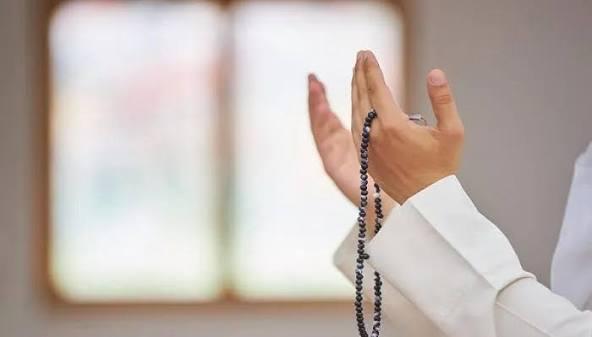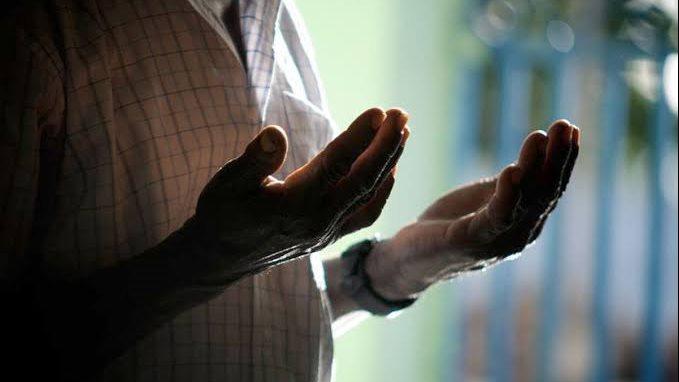

Muslims turn to Allah in times of hardship and ease, and the Quran and Sunnah contain profound supplications that express faith, repentance, hope, and a request for relief and mercy.
Among the most famous is the Dua of Prophet Yunus, peace be upon him, along with supplications that call upon Allah through His beautiful names and attributes.
The Dua of Prophet Yunus
Allah says:
“There is no deity except You; glory be to You. Indeed, I have been among the wrongdoers.”
The supplication is:
“La ilaha illa anta subhanaka inni kuntu min al-zalimin.”
This powerful dua combines affirming Allah's oneness, glorifying Him, and acknowledging one's shortcomings. The Prophet Muhammad, peace and blessings be upon him, also highlighted the virtue of the supplication of Yunus.
A Supplication Connected to Allah's Greatest Name
One reported supplication is:
“O Allah, I ask You because all praise belongs to You. There is no deity except You, the Bestower of blessings, Originator of the heavens and the earth, O Possessor of Majesty and Honor, O Ever-Living, O Sustainer.”
The Sunnah contains texts concerning calling upon Allah through His beautiful names, and scholars have discussed the relationship between some such supplications and Allah's Greatest Name.
A Muslim may therefore call upon Allah using His names and attributes with sincerity and certainty, without claiming definitively that a particular wording identifies the Greatest Name unless there is clear evidence.
Dua for Hardship and Need
A widely circulated supplication says:
“O Allah, I complain to You of my weakness, my lack of resources, and my humiliation before people.”
Although these words are commonly associated with the story of Ta'if, they should not be confidently attributed to the Prophet as an authentic established hadith.
Their meaning is nevertheless permissible as a personal supplication expressing one's weakness and need before Allah.
Dua for Changing One's Circumstances
A Muslim may ask Allah to improve their circumstances, for example:
“My Lord, I ask You to change me, change my circumstances and destiny for the better, and grant me blessings I did not expect.”
This is not an established prophetic supplication, but it may be used as a general permissible dua when its meaning is sound and the person is asking Allah for goodness, provision, and guidance.
The Best Times to Seek an Answer to Dua
Along with choosing permissible supplications, Muslims are encouraged to seek the times in which the Sunnah indicates special virtue for making dua.
The Last Third of the Night
The last third of the night is among the greatest times for worship and supplication. Muslims can use this period for prayer, remembrance, repentance, and asking Allah for their needs.
It is especially valuable when combined with sincere night prayer and a focused heart.
Between Adhan and Iqamah
The period between the adhan and iqamah is another virtuous time for dua.
Muslims can use this time to make personal supplications while also responding to the call to prayer and observing the recommended practices associated with the adhan.
Dua During Sujood
Sujood is one of the greatest places for supplication during Salah. The Prophet Muhammad, peace and blessings be upon him, said:
“The closest a servant is to his Lord is while prostrating, so increase your supplications.”
For this reason, Muslims are encouraged to make abundant dua during sujood and ask Allah for good in this life and the Hereafter.
The Hour of Acceptance on Friday
The Sunnah indicates that Friday contains an hour during which a Muslim who asks Allah for good will have their supplication answered.
Scholars have differed concerning its exact timing. One of the well-known opinions places it during the last hour after Asr and before sunset, while another view connects it with a period during the Friday prayer.
Therefore, Muslims are encouraged to increase their dua throughout Friday and seek the times of acceptance.
How Can Dua Be More Likely to Be Accepted?
A Muslim should make dua sincerely, trust Allah, and avoid becoming impatient when an answer does not appear immediately.
Important manners and means include:
- Sincerity toward Allah.
- A humble and attentive heart.
- Certainty in Allah's power.
- Persisting in dua without impatience.
- Seeking virtuous times for supplication.
- Repentance and seeking forgiveness.
- Ensuring that one's food, income, and possessions are lawful.
- Avoiding supplications involving sin or severing family ties.
A Muslim should also understand that an answered dua does not necessarily mean receiving exactly what was requested in the expected way or at the expected time. The answer may take different forms according to Allah's wisdom.
Conclusion
Among the greatest supplications mentioned in the Quran and Sunnah is the Dua of Prophet Yunus:
“There is no deity except You; glory be to You. Indeed, I have been among the wrongdoers.”
Among the best times to seek an answer to dua are the last third of the night, the period between adhan and iqamah, sujood, and the special hour on Friday.
As for popular formulas such as “O Allah, I complain to You of my weakness” or prayers asking Allah to change one's circumstances, they may be used as permissible personal duas when their meanings are sound, but they should not be attributed to the Prophet without reliable evidence.
What is one of the most powerful duas?
The Dua of Prophet Yunus is among the greatest: “There is no deity except You; glory be to You. Indeed, I have been among the wrongdoers.”
When is dua most likely to be answered?
Important times include the last third of the night, between adhan and iqamah, during sujood, and the special hour on Friday.
What is the best time to make dua on Friday?
Friday contains a special hour of acceptance. One well-known scholarly opinion places it during the last hour after Asr and before sunset.
Can I ask Allah to change my circumstances?
Yes. A Muslim may ask Allah to improve their circumstances, grant provision, guidance, and relief, as long as the request is permissible.
Is every popular dua a prophetic dua?
No. Some popular supplications are permissible general prayers but are not prophetic duas unless their attribution to the Prophet has been established.