

The 24th of Ramadan holds a distinguished place in history, marked by events that shaped Islamic and Arab heritage:
-
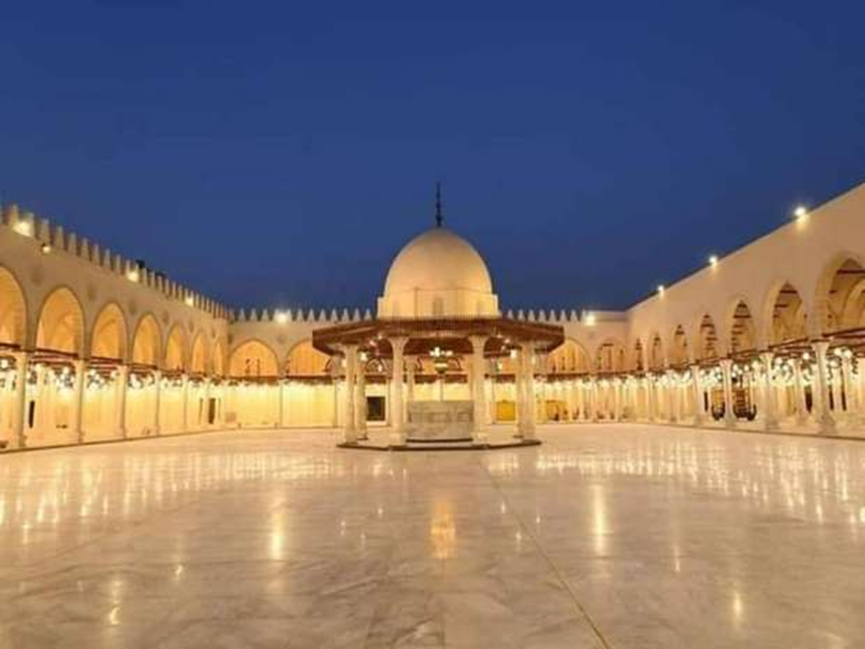
Construction of Amr ibn al-As Mosque: This mosque was the first in Egypt and Africa, built in Fustat after the Muslim conquest, also known as Masjid al-Fath or the Old Mosque, symbolizing the Islamic renaissance in Egypt.
-
Death of Abu Lahab: In 2 AH, Abdul-Uzza ibn Abdul-Muttalib, known as Abu Lahab, the Prophet ﷺ’s uncle, passed away from a contagious disease called “al-‘Adasah”. No one approached him, and his burial was carefully carried out by his people after the Battle of Badr, fulfilling what the Quran mentioned about his fate.
-
Killing of Al-Mutanabbi: In Ramadan 354 AH, the great poet Abu Tayyib Al-Mutanabbi, known as Ahmad ibn Al-Hussein Al-Kindi Al-Kufi, was killed. Despite controversies and challenges during his life, he left a timeless literary legacy.
-
Passing of Scholar Sharaf al-Din Al-Dimashqi: In 718 AH, the renowned Shafi’i scholar and teacher of the Jarukhiyya and Adhrawiya schools passed away, leaving behind a legacy of scholarship, debate, and wisdom.
-
Death of Ibn Khaldun: In 808 AH, the eminent historian and sociologist Abdul-Rahman Ibn Khaldun passed away, leaving a profound impact on social, historical, and economic studies.
For more details and the latest news, follow Misr Connect.




