
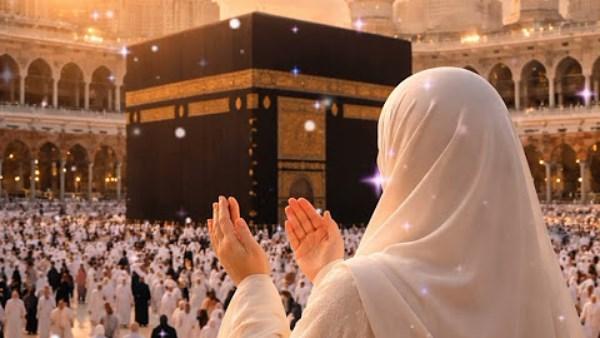

The Al-Azhar Global Fatwa Center explained that wearing appropriate clothing and covering the private parts are among the noble qualities encouraged by human nature, dignity and Islamic teachings.
The center noted that Allah created human beings, honored them and distinguished them with reason, while instilling in them a natural inclination toward beauty and proper appearance.
Islam also commands people to cover their private parts, making modesty an essential part of human dignity and natural disposition. Allah says:
“O children of Adam, We have sent down to you clothing to cover your private parts and as adornment. But the clothing of righteousness—that is best.”
Quran 7:26
The Al-Azhar Global Fatwa Center explained that, just as Islam emphasizes inner righteousness and modesty, it also establishes guidelines for clothing that preserve human dignity, values and respect for society.
Clothing That Covers the Private Parts
The center stated that one of the most important Islamic guidelines is that both men’s and women’s clothing should properly cover the private parts.
Clothing should also reflect modesty, dignity and respect for the values of the society in which a person lives.
This means, for example, that it is inappropriate for a young man to appear in public wearing extremely short clothing that exposes his thigh or private parts. Likewise, a woman should avoid clothing that excessively reveals or emphasizes her body while appearing in public.
The same principle applies to excessively torn or improperly worn clothing when it violates standards of decency and public propriety.
The center emphasized that appropriate clothing is not simply a matter of religious observance. It is also connected to human nature, dignity, modesty and respect for others.
Avoiding Imitation Between Men and Women
Another guideline is that men should not deliberately imitate women in their clothing, nor should women deliberately imitate men in their clothing.
The center explained that preserving a person's identity and maintaining appropriate distinctions in dress are among the principles addressed in Islamic teachings.
Abu Hurairah, may Allah be pleased with him, reported that the Prophet Muhammad ﷺ said:
“The Messenger of Allah cursed the man who wears the clothing of a woman and the woman who wears the clothing of a man.”
The hadith was narrated by Abu Dawud.
Avoiding Extravagance in Clothing
The Al-Azhar Global Fatwa Center also warned against extravagance in clothing and excessive spending.
The Prophet Muhammad ﷺ said:
“Eat, drink, give charity and wear clothing without extravagance or arrogance. Indeed, Allah loves to see His blessings upon His servant.”
The center explained that prohibited extravagance includes purchasing things a person does not need or buying clothing that they cannot afford.
However, purchasing an expensive garment is not necessarily considered extravagance if the person genuinely needs it and can afford its price.
Clean and Well-Maintained Clothing
Islam also encourages Muslims to maintain clean, neat and well-organized clothing.
The Prophet Muhammad ﷺ said:
“You are coming to your brothers, so make your clothing good and your belongings orderly, so that you may appear among people like a distinguished mark.”
The center explained that maintaining a clean and respectable appearance contributes to a balanced Muslim personality and reflects the value Islam places on beauty and good manners.
Warning Against Clothing of Fame
The Al-Azhar Global Fatwa Center also addressed the concept of “clothing of fame”, referring to clothing deliberately worn to attract extraordinary attention, stand out from others or gain recognition.
Islam discourages dressing in a manner motivated by arrogance, vanity or the desire to attract people's attention.
The Prophet Muhammad ﷺ said:
“Whoever wears a garment of fame in this world, Allah will clothe him with a garment of humiliation on the Day of Resurrection.”
The hadith was narrated by Ahmad.
Clothing Should Respect Islamic and Public Values
The center further explained that Muslims should avoid wearing clothing displaying words, symbols or images that contradict Islamic teachings or accepted standards of public decency.
It also referred to the prophetic principle:
“Whoever imitates a people is one of them.”
The hadith was narrated by Abu Dawud.
According to the center, Islamic guidelines concerning modesty and covering the private parts apply not only to physical public life but also to the digital world, including videos, social media platforms and other online content.
Modesty in Social Media and Digital Content
The Al-Azhar Global Fatwa Center stressed that religious, national and humanitarian values should remain present in both real life and online spaces.
It called for promoting a culture of respect, modesty, chastity and dignity while rejecting vulgarity, indecency and behavior that may offend public sensibilities.
The center emphasized that anyone who moves through public spaces, uses public facilities and transportation, or interacts with members of society has a responsibility to respect the culture and values of the surrounding community.
Al-Azhar Calls for Preserving Modesty and Social Values
The Al-Azhar Global Fatwa Center said the reminder comes at a time when some people have become less attentive to traditional values concerning clothing and public appearance, sometimes under the justification of freedom, openness or entertainment.
The center stressed that personal freedom should not be separated from responsibility toward society, particularly when certain behaviors may negatively affect public morals, social harmony and people's feelings.
What does Islam say about modest clothing?
Islam encourages clothing that covers the private parts, preserves dignity and reflects modesty and good character.
Is expensive clothing considered prohibited extravagance?
Not necessarily. If a person needs the clothing and can afford it, its high price alone does not make it prohibited extravagance.
What is meant by clothing of fame?
It refers to wearing unusual clothing primarily to attract attention, gain recognition or stand out from others.
Do Islamic clothing guidelines apply to social media?
Yes. The Al-Azhar Global Fatwa Center emphasized that modesty and appropriate conduct also apply to digital content, videos and social media platforms.




