
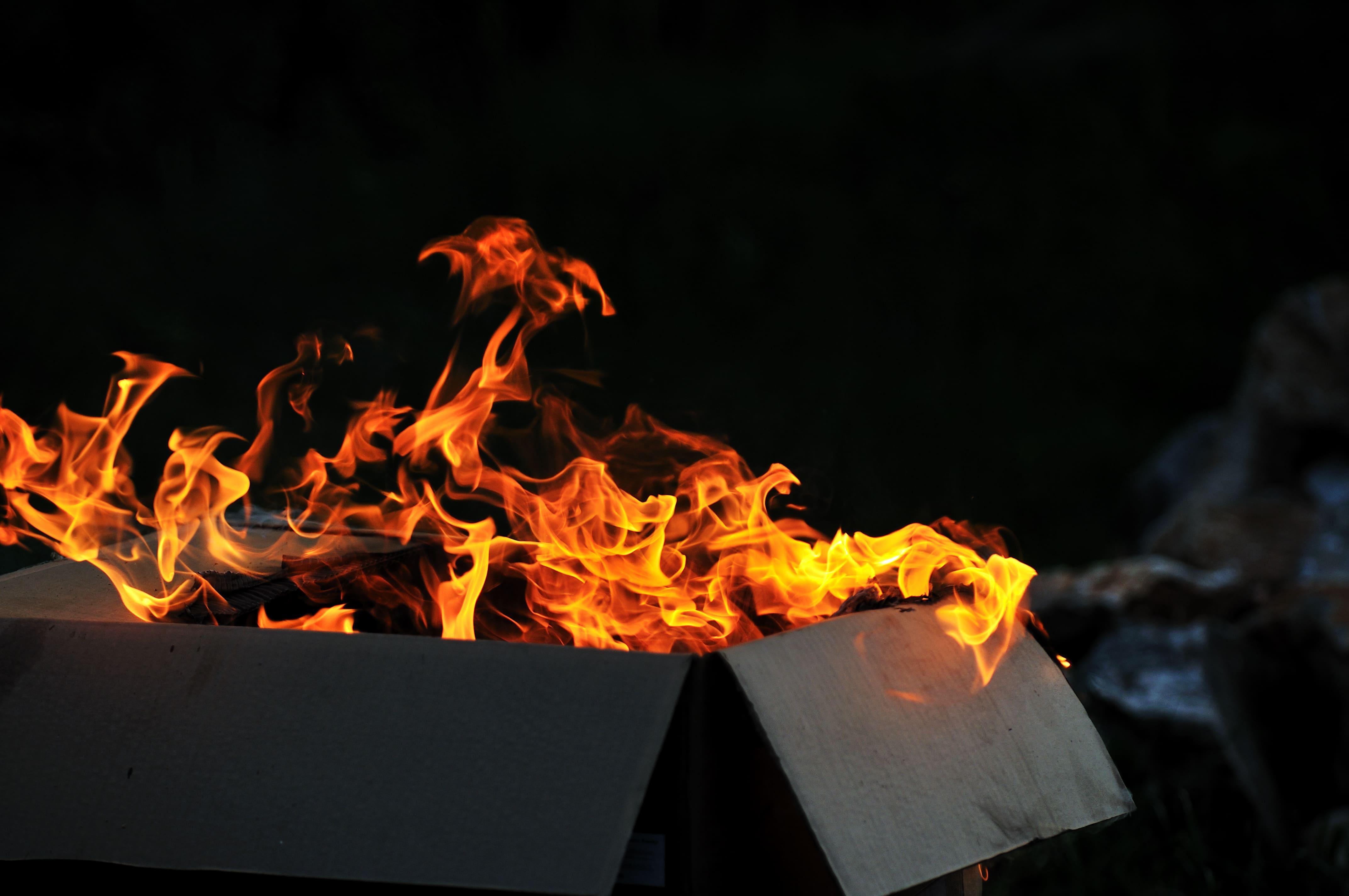

Egypt’s Dar Al-Ifta addressed a common question regarding whether the deceased’s clothes should be burned before forty days. The Fatwa affirmed that this practice is forbidden in Islam, as the clothing constitutes part of the deceased’s estate, reserved for heirs or to be donated with their consent.
The Fatwa explained that preserving the deceased’s clothing is obligatory, and destroying it—by burning or any other means—counts as wasting wealth, which is prohibited. Anyone who destroys such clothing is financially responsible for its value, especially when minors or rightful heirs are involved.
Clothes, whether new or used, form a legal part of the inheritance and must be handled according to the rules of inheritance and bequests, as emphasized by Maliki, Hanafi, and Shafi’i scholars. Destruction without valid reason is considered unlawful and wasteful.
Therefore, Islamically, it is forbidden to burn or discard the deceased’s clothing. They must either be preserved for heirs or donated with their agreement, respecting both the deceased’s dignity and the clothing’s material and symbolic value.
For more religious rulings and explanations, follow Misr Connect.




