
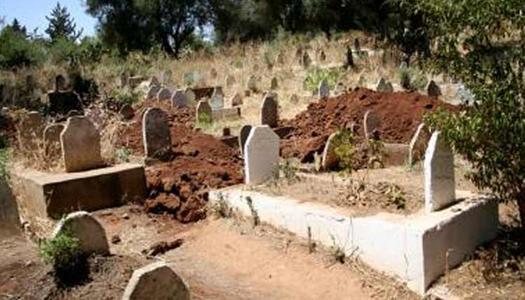

Al-Azhar emphasized that burying the deceased is an act of honor, and generally, men and women should be buried separately. However, in cases of necessity, it is permitted to bury women with men in one grave if there is a soil barrier between them and the man is placed in front of the woman, even if she is his daughter.
The institution highlighted the importance of praying for the deceased, especially in the month of Rajab, asking God to grant them mercy, expand their grave, make it a garden from Paradise, raise their ranks, and protect them from the torment of the grave. It also emphasized perseverance in good deeds, illuminating the heart with faith, and invoking peace and tranquility for the departed.
Al-Azhar provided various examples of prayers for the deceased, short and long, asking for forgiveness, a spacious and luminous grave, steadfastness on the Day of Judgment, and companionship with prophets, righteous companions, and martyrs in Paradise, while generally praying for mercy and comfort for all the deceased.




