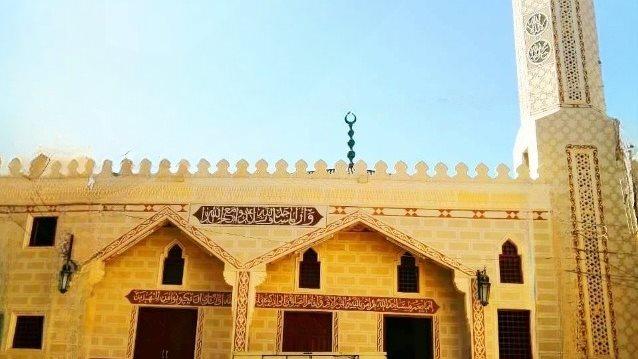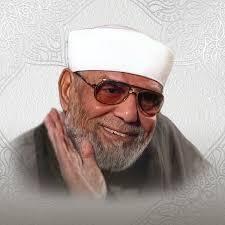

The Ministry of Endowments commemorates the death anniversary of Sheikh Mohamed Metwally Al-Shaarawy, one of the most prominent scholars of Al-Azhar in modern history.
Early Life and Education
Beginning of a Scholarly Journey
Al-Shaarawy was born on April 15, 1911, in Dakadous village, Egypt. He memorized the Quran at a young age and pursued his studies at Al-Azhar institutions.
He graduated in 1941 and earned his teaching qualification in 1943.
Scientific and Religious Career
Key Positions and Roles
Al-Shaarawy worked as a teacher before moving to Saudi Arabia, then returned to Egypt to hold several positions, including:
- Director of Al-Azhar Sheikh’s office
- Head of Al-Azhar mission in Algeria
- Undersecretary of Al-Azhar
- Minister of Endowments in 1976
Al-Shaarawy and Quran Interpretation
Unique Style of Explanation
He became famous through his programs “Noor Ala Noor” and “Al-Shaarawy Reflections,” where he simplified Quran meanings for the public.
He succeeded in:
- Making Quran understandable for everyone
- Combining knowledge and spirituality
- Promoting moderate Islamic thought
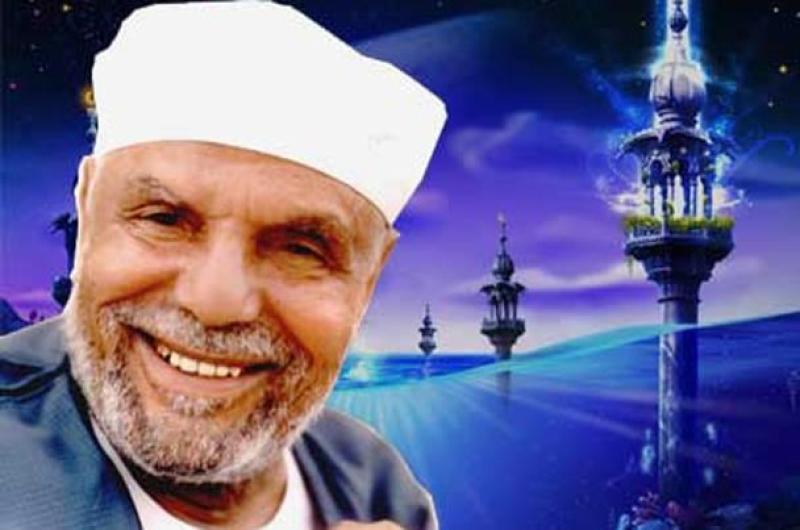
Intellectual Influence
Balanced Religious Approach
Al-Shaarawy was known for his moderation, deep knowledge, and ability to connect tradition with modern life.
Awards and Honors
He received numerous awards, including:
- First-Class Order of Merit
- Republic Medal
- Honorary doctorates
- Islamic Personality of the Year (1998)
Major Works
Lasting Legacy
His most notable works include:
- Quran interpretation
- Fate and destiny
- Stories of the Prophets
- Miracle of the Quran
- Halal and Haram
His Passing
End of a Remarkable Journey
Al-Shaarawy passed away on June 17, 1998, leaving behind a lasting intellectual and spiritual legacy.
Conclusion
Sheikh Al-Shaarawy remains a symbol of knowledge and faith, whose legacy continues to inspire millions.
Who was Al-Shaarawy?
An Egyptian Islamic scholar and former Minister of Endowments.
When was he born and died?
1911 – 1998.
What is he famous for?
Quran interpretation and TV programs.
Why was he influential?
For simplifying Quran understanding.
What is his legacy?
A lasting impact on Islamic thought and education.