
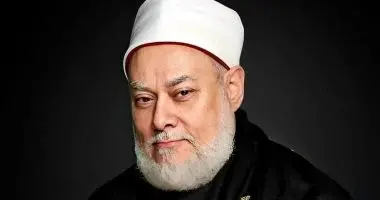

Ali Gomaa, the former Grand Mufti of Egypt, explained the ruling on distributing Zakat and whether it must be paid immediately or can be delayed briefly.
Speaking during his program “Know Your Religion” on Sada El Balad, he said Islamic scholars allowed reserving Zakat for specific recipients who are expected to arrive, emphasizing that Zakat should primarily benefit people in the local community.
What is the ‘Adwa’ in Zakat distribution?
Gomaa explained that “Adwa” refers to the nearby geographic circle around the donor—traditionally defined as a distance that can be traveled and returned within a day, historically estimated at around 60 kilometers when using camels for travel.
This concept ensures that local communities benefit from Zakat first before transferring funds to other areas.
When can Zakat be moved elsewhere?
He added that Zakat may be transferred to other regions if the local community’s needs are already met or if other areas are in greater need.
Can Zakat be paid in installments?
According to Gomaa, some scholars allow Zakat to be distributed in monthly installments to help poor families manage their essential needs such as food, education, and living expenses.
This approach ensures the money is used more effectively rather than being spent all at once on non-essential items.
For more details and the latest updates, follow Misr Connect website




