

Warning Against Betrayal and Distortion
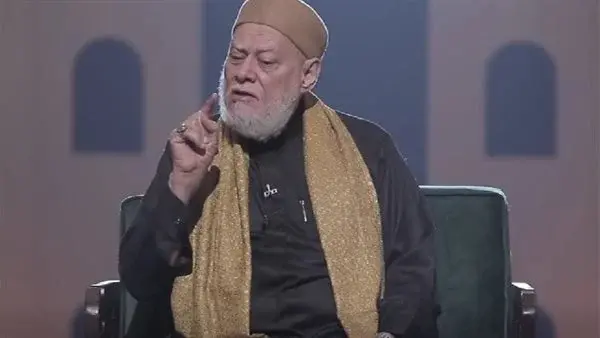
Dr. Ali Gomaa, former Grand Mufti of Egypt and member of Al-Azhar’s Senior Scholars Authority, stated that Allah does not love betrayal from anyone and warned against falling into the same errors committed by earlier nations in distorting words from their proper meanings.
He cited the Qur’anic verse:
“Among the Jews are those who distort words from their proper places…” (Surah An-Nisa), explaining that the verse refers to some individuals who committed distortion, not all.
Forms of Distortion
He explained that distortion of words can occur within the text itself, through addition, omission, rearrangement, or incorrect recitation, emphasizing the need for precision when dealing with the Qur’anic text.
Standards of Quran Recitation
He stressed that the value of Qur’an recitation is not based on perceived beauty of meaning, but on authentic transmission and verified narration through continuous chain (tawatur).
He added that irregular or weak recitations are rejected by scholars to preserve the Qur’an from alteration and confusion.
He also noted that Quranic recitation is a disciplined science with established rules and scholars, not a field for personal taste or unregulated interpretation.
Preservation of the Quran as a Divine Blessing
Dr. Ali Gomaa highlighted that the preservation of the Qur’an is a great blessing from Allah, made possible through scholars who safeguarded His Book across generations.
He pointed out that one of the miracles of the Qur’an is that it is memorized by children and even non-Arabs who do not speak Arabic, while its original Arabic text remains preserved through mass transmission.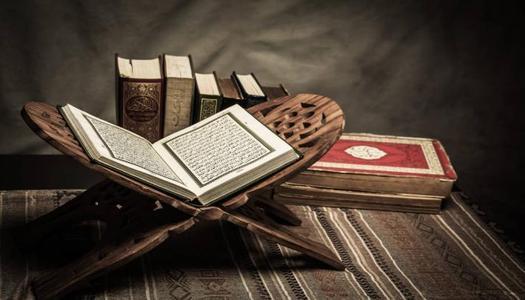
Respecting the Holy Quran
He emphasized that respecting the Qur’an is not merely a formal habit but a spiritual upbringing that instills reverence for the words of Allah.
Teaching children to respect the Qur’an helps preserve a sense of sacredness in their hearts, and preservation is achieved not only through memorization but also through proper understanding and disciplined learning.
Meaning of Quranic Preservation
He concluded that preserving the Qur’an includes safeguarding both its wording and meaning through transmission and scholarly knowledge.
Distortion may also occur in interpretation and understanding, he warned, stressing that gratitude for Islam requires safeguarding the trust of Allah’s Book in both narration and meaning.
He affirmed that the Ummah that preserved the Qur’an is a nation of knowledge, upheld by scholars who have served and transmitted it across generations.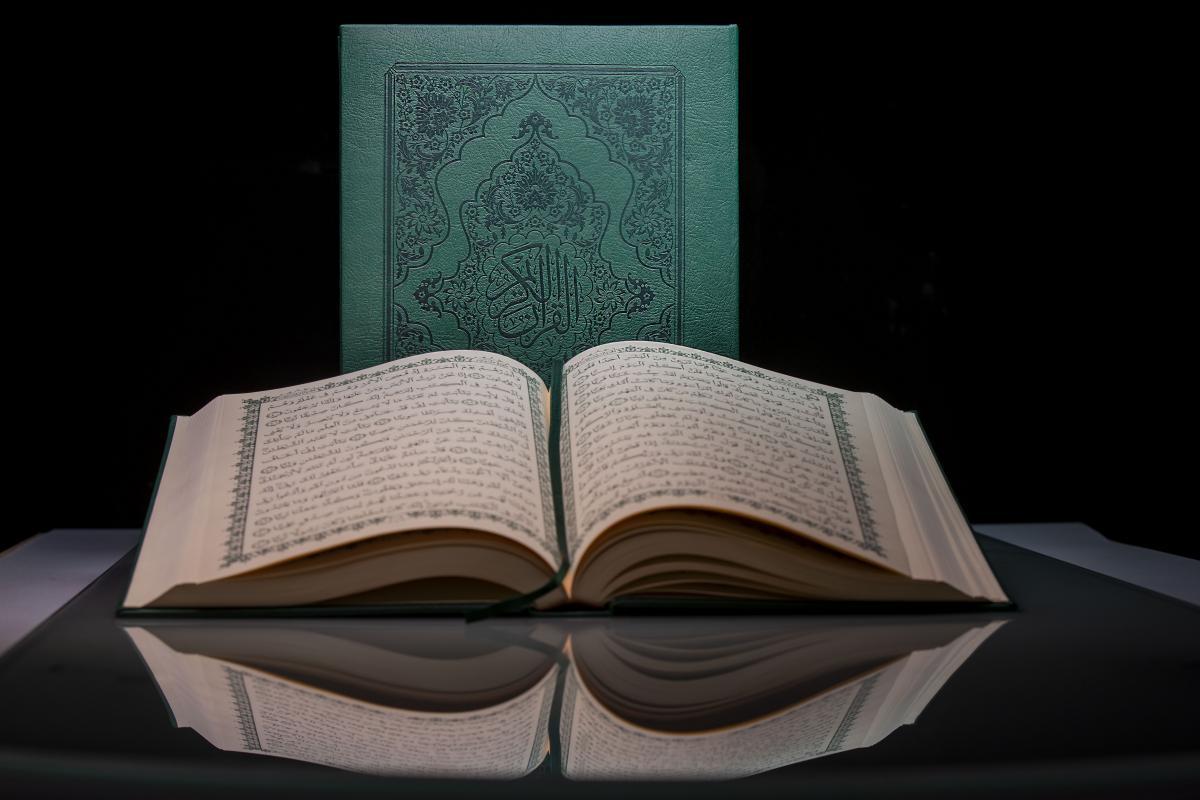
What did Dr. Ali Gomaa say about distortion of the Qur’an?
He warned that distortion is not acceptable and explained that it includes altering text, recitation, or meaning.
Are all groups mentioned in the verse criticized?
No, he clarified that the criticism applies to some individuals, not all.
What is the correct standard for reciting the Qur’an?
Authentic narration and verified transmission (tawatur), not personal preference or aesthetic judgment.
Can beautiful but unverified recitations be accepted?
No, scholars reject any recitation that is not authentically transmitted.
How is the Qur’an preserved?
Through memorization, scholarly transmission, and strict rules of recitation and interpretation.




