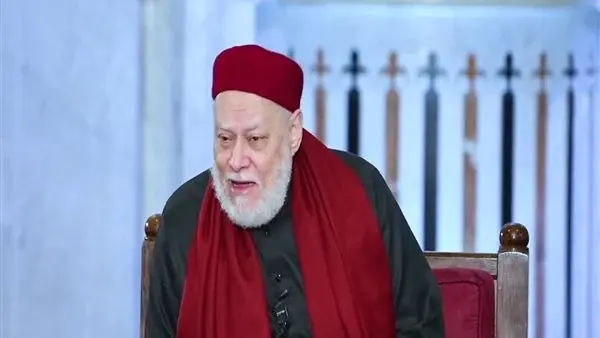

Dr. Ali Gomaa, a member of Al-Azhar’s Council of Senior Scholars and former Grand Mufti of Egypt, emphasized that the Prophet Muhammad ﷺ encouraged Muslims to adopt noble character.
Among these virtues are relieving people’s distress, making things easier for those in need, and concealing the mistakes and shortcomings of others.
Ali Gomaa explained that the Prophet’s saying, “Whoever relieves a believer of a hardship, Allah will relieve him of a hardship from the hardships of the Day of Resurrection,” provides a practical approach to developing compassion and helping others through difficult circumstances.
Relieving Distress and Helping Those in Need
Ali Gomaa explained that training oneself to relieve people’s hardships for the sake of Allah makes a person more aware of the feelings and struggles of others.
It also changes the way a person interacts with those around them. A person should not be viewed merely as a number, a case, or a transaction, but as a human being honored by Allah.
How Can Work Become an Act of Kindness?
Ali Gomaa gave the examples of doctors and employees, explaining that when each one recognizes the difficulties faced by the person in front of them and seeks to reduce their suffering or make their needs easier, their work can become an act of kindness when done sincerely for Allah.
A kind word, respectful treatment, practical assistance, and an effort to reduce another person’s hardship can all become forms of compassion and good deeds.
How Can a Person Make Things Easier for a Debtor?
Ali Gomaa explained that helping a debtor can take several forms, including helping them repay their debt, postponing repayment, reducing the amount demanded, or waiving part of the debt.
It also includes protecting the debtor from public exposure, particularly because debt can place a significant psychological burden on a person.
Such conduct reflects mercy and consideration for people’s circumstances rather than adding to their difficulties.
Ali Gomaa Warns Against Backbiting and Gossip
Ali Gomaa stressed the importance of concealing people’s shortcomings and avoiding public humiliation.
He explained that a person who becomes accustomed to protecting others and overlooking their mistakes can see the positive effect of this behavior within themselves and hope that Allah will protect and conceal their own faults in this world and the Hereafter.
He also warned against excessive discussion of people’s honor and spreading their personal news, as this can lead to backbiting, gossip, false accusations, and slander.
He cited the Prophet’s saying: “It is enough falsehood for a person to relate everything he hears.”
Freedom of Opinion Does Not Justify Slander
Ali Gomaa emphasized that freedom of opinion does not justify lying, making false accusations, or discussing people’s honor inappropriately.
Rather, opinions should be accompanied by responsibility and a sincere desire to achieve the common good and promote reconciliation within society.
Good Deeds Are the Basis of True Distinction
The former Grand Mufti also referred to the Prophet’s saying: “Allah continues to help the servant as long as the servant helps his brother.”
He explained that the word “servant” in the hadith is general, reflecting the broad scope of human interaction based on mercy, kindness, and helping others.
Helping people should therefore not be viewed as an occasional act, but as a daily practice that develops compassion and consideration for others.
“Whomever Deeds Hold Back, His Lineage Will Not Push Forward”
Ali Gomaa concluded by emphasizing the Prophetic principle: “Whomever his deeds hold back, his lineage will not push him forward.”
He explained that good deeds are the true basis of distinction and that reforming oneself should be the starting point, followed by kindness toward those under one’s care and the people around them.
He called for renewing faith, refining one’s character, and adopting the noble qualities encouraged by the Prophet ﷺ, making helping others, relieving their hardships, and concealing their mistakes part of everyday conduct.
What is the virtue of relieving people’s hardships?
Relieving people’s hardships is a virtuous deed encouraged by the Prophet ﷺ. The hadith promises that whoever relieves a believer’s hardship will have a hardship relieved for them on the Day of Resurrection.
How can a person help debtors and those in need?
A person can help by contributing toward repayment, postponing the payment, reducing the amount demanded, or waiving part of the debt while protecting the debtor’s privacy.
Why did Ali Gomaa emphasize concealing people’s shortcomings?
Because protecting people from exposure and humiliation is among the noble qualities encouraged in Islam, and a Muslim hopes that Allah will conceal their own faults.
Does freedom of opinion justify discussing people’s honor?
Freedom of opinion does not justify lying, slander, false accusations, or violating people’s dignity. Opinions should be expressed responsibly and with a sincere intention to promote good.
What is the basis of distinction between people?
Ali Gomaa emphasized that good deeds are the basis of true distinction and that self-reform and kindness toward others should be central to a Muslim’s conduct.