
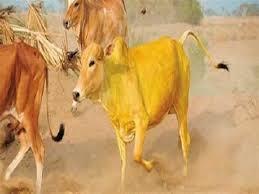

Dr. Ali Gomaa, former Grand Mufti of Egypt and member of Al-Azhar’s Council of Senior Scholars, said that the Story of the Cow in Surah Al-Baqarah carries profound lessons for Muslims about understanding Islamic law and obeying Allah’s commands with humility and trust.
Through a post on his official Facebook page, Gomaa explained that Islamic rulings are divine commands, and believers should not overanalyze or ask unnecessary questions that lead to confusion and doubt. He cited the Prophet Muhammad’s saying ﷺ: “Leave me as I have left you; those before you were destroyed because of their excessive questioning and disagreement with their prophets.”
He emphasized that the story teaches that Islam is built on ease, certainty, and benefit, not hardship or harm, quoting the Prophet’s words ﷺ: “There should be neither harm nor reciprocating harm.” Gomaa added that sincere intentions are at the heart of faith, citing “Actions are judged by intentions.”
According to him, the naming of the entire surah as “Al-Baqarah” highlights the importance of reflecting on this story, as it symbolizes how a believer should think and respond to divine commands. The order to slaughter a cow was simple, yet the Israelites complicated it with excessive questioning until it became burdensome upon them.
Dr. Gomaa noted that the Prophet ﷺ said: “Had they slaughtered any cow, it would have sufficed them.” He summarized the key moral lessons as warnings against:
-
Religious extremism (tanattu‘) — excessive strictness in faith.
-
Over-questioning (taftish) — unnecessary probing of divine rulings.
-
False piety (war‘ kazib) — outward religiosity without sincere belief.
He concluded by saying that the story is a timeless reminder for Muslims to trust Allah’s wisdom, follow His guidance with certainty, and avoid unnecessary rigidity in religious matters.




