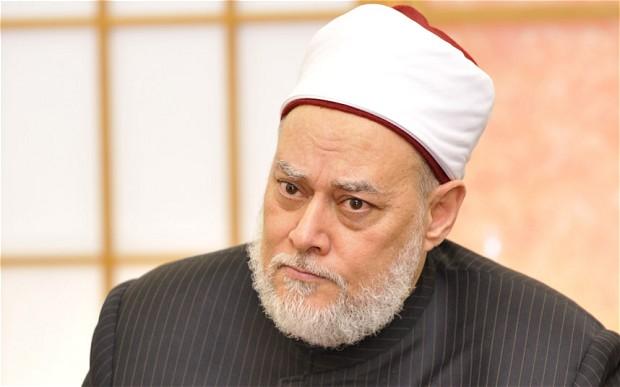

Dr. Ali Gomaa, former Grand Mufti of Egypt and a member of Al-Azhar's Council of Senior Scholars, warned against neglecting prayers upon the Prophet Muhammad ﷺ when his name is mentioned.
He referred to prophetic narrations that contain strong warnings concerning this matter, including descriptions of a person who hears the Prophet ﷺ mentioned but does not send blessings upon him as being miserly.
Warning Against Neglecting Prayers Upon the Prophet ﷺ
Ali Gomaa pointed to narrations emphasizing the importance of sending blessings upon the Prophet ﷺ whenever he is mentioned.
Among the reported sayings is:
“It is sufficient miserliness that I am mentioned to a person and he does not send blessings upon me.”
Another narration states:
“The miser is the one in whose presence I am mentioned and he does not send blessings upon me.”
These narrations emphasize the place of salawat in the life of a Muslim and the importance of remembering the Prophet ﷺ with respect and blessings.
The Hadith About Jibril and Neglecting Salawat
Ali Gomaa also referred to the narration of Ka'b ibn Ujrah, in which the Prophet ﷺ ascended the pulpit and said “Amin” at each step.
The narration describes three supplications presented by Jibril to the Prophet ﷺ. One concerned the person who hears the Prophet ﷺ mentioned but does not send blessings upon him.
Jibril said:
“May he be distanced who has you mentioned in his presence and does not send blessings upon you.”
The Prophet ﷺ responded:
“Amin.”
The narration also includes supplications concerning a person who reaches Ramadan without being forgiven and another who reaches old age with one or both parents but does not enter Paradise through serving them.
The Serious Warning in the Narration
Ali Gomaa explained that the seriousness of the warning is highlighted by the fact that the supplication was made by Jibril and affirmed by the Prophet ﷺ.
He also referred to other narrations containing severe wording, which some scholars cited when discussing the seriousness of neglecting salawat when the Prophet ﷺ is mentioned.
Is Neglecting Salawat Considered a Major Sin?
Ali Gomaa noted that some scholars regarded deliberately failing to send blessings upon the Prophet ﷺ when he is mentioned as a major sin.
Among those scholars was Ibn Hajar al-Haytami, who discussed the issue in Al-Zawajir 'an Iqtiraf al-Kaba'ir.
This position was connected to the severe warnings found in several narrations, including the description of such a person as miserly and the supplications invoking distance or humiliation.
The discussion highlights the importance of honoring the Prophet ﷺ and remembering him with prayers and peace.
The Virtue of Sending Blessings Upon the Prophet ﷺ
Sending blessings upon the Prophet ﷺ is an important form of remembrance and devotion. Muslims have traditionally associated abundant salawat with love for the Prophet ﷺ, remembrance of his life, and commitment to following his Sunnah.
One well-known formula is the Ibrahimic prayer:
“O Allah, send blessings upon Muhammad and the family of Muhammad, as You sent blessings upon Ibrahim and the family of Ibrahim. You are Praiseworthy and Glorious. O Allah, bless Muhammad and the family of Muhammad, as You blessed Ibrahim and the family of Ibrahim. You are Praiseworthy and Glorious.”
Salawat as Part of Daily Remembrance
Ali Gomaa emphasized the importance of keeping prayers upon the Prophet ﷺ present in the daily life of Muslims.
Salawat can be part of a believer's regular remembrance and supplication, while remembering that honoring the Prophet ﷺ also includes loving him, learning his Sunnah, and following his guidance.
Remembering the Prophet ﷺ with blessings and peace connects the believer with his biography, character, teachings, and example.
What should a Muslim say when the Prophet ﷺ is mentioned?
A Muslim can say “Sallallahu alayhi wa sallam”, meaning “May Allah's blessings and peace be upon him.”
What is the virtue of sending blessings upon the Prophet ﷺ?
Salawat is a form of remembrance and worship, and the Quran and Sunnah encourage Muslims to send blessings and peace upon the Prophet ﷺ.
Why is there a warning against neglecting salawat?
Several narrations contain strong warnings concerning someone who hears the Prophet ﷺ mentioned and does not send blessings upon him.
Does sending blessings upon the Prophet bring blessings?
Salawat is a form of remembrance and devotion associated with love and honor for the Prophet ﷺ and following his Sunnah.
What is the most well-known formula of salawat?
The Ibrahimic prayer, recited during the tashahhud, is among the most well-known established formulas of sending blessings upon the Prophet ﷺ.