Ali ibn Abi Talib and Divine Will: Was His Caliphate Decreed?
Was the caliphate of Ali ibn Abi Talib part of Allah’s divine will? Learn about the difference between divine decree and religious will and the Sunni view of Ali’s caliphate.
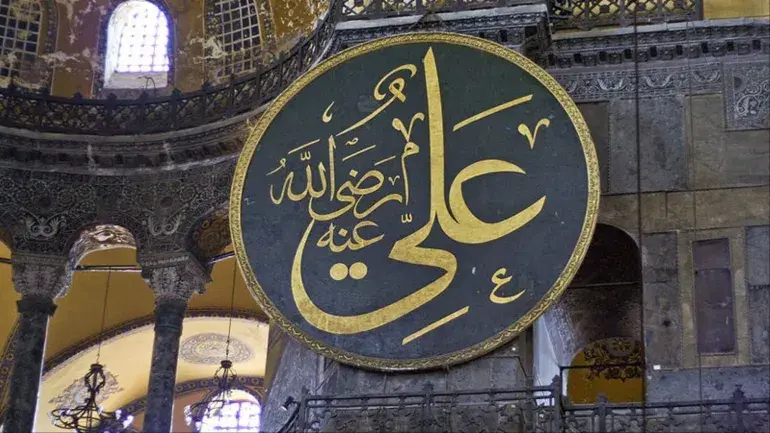

Was the Caliphate of Ali ibn Abi Talib Part of Allah’s Will?
The question of the caliphate of Ali ibn Abi Talib, may Allah be pleased with him, is closely connected to understanding the meaning of Allah’s divine will.
According to Sunni Islamic theology, Allah’s will is generally divided into two categories: the universal, creational will and the legislative, religious will.
Understanding this distinction is important because the fact that something occurs by Allah’s decree does not necessarily mean that it is something Allah loves or approves of in a religious sense.
What Is the Difference Between Allah’s Universal and Legislative Will?
The Universal and Creational Will
Allah’s universal will refers to His decree and what He allows to occur in creation. Whatever Allah wills to happen in this universal sense will inevitably take place.
Allah says in the Quran:
“His command, when He intends a thing, is only that He says to it, ‘Be,’ and it is.”
This type of divine will encompasses everything that occurs within creation.
The Legislative and Religious Will
The legislative will refers to what Allah commands, loves, and is pleased with from His servants, such as faith, obedience, righteousness, and good deeds.
Unlike the universal will, something may be legislatively desired by Allah without necessarily occurring, because human beings may obey or disobey His commands.
Therefore, simply arguing that an event occurred does not by itself establish that Allah specifically loved or approved of that event in the legislative sense.
The Sunni View of Ali ibn Abi Talib’s Caliphate
According to Sunni Islam, Ali ibn Abi Talib was the fourth of the Rightly Guided Caliphs, following Abu Bakr al-Siddiq, Umar ibn al-Khattab, and Uthman ibn Affan, may Allah be pleased with them all.
His caliphate is regarded as a legitimate and rightful part of the Rashidun Caliphate.
Thus, affirming Ali’s caliphate does not depend solely on the argument that “if Allah had willed him to be a leader, he would have been one.” Rather, his position is established within the broader Islamic understanding of the Rightly Guided Caliphs and the relevant Prophetic traditions.
The Hadith About the Thirty-Year Caliphate
Prophetic narrations mention that the period of the prophetic caliphate lasted thirty years.
In Sunan Abi Dawud, the Prophet Muhammad ﷺ is reported to have said:
“The caliphate of Prophethood will last for thirty years, then Allah will give sovereignty to whomever He wills.”
Scholars have understood this narration as referring to the period of the Rightly Guided Caliphs, including Abu Bakr, Umar, Uthman, and Ali, may Allah be pleased with them.
Some scholarly calculations also include the caliphate of Hasan ibn Ali, may Allah be pleased with him, in completing the thirty-year period.
Abu Bakr, Umar, Uthman and Ali
The Rightly Guided Caliphs followed one another in this order:
- Abu Bakr al-Siddiq, may Allah be pleased with him.
- Umar ibn al-Khattab, may Allah be pleased with him.
- Uthman ibn Affan, may Allah be pleased with him.
- Ali ibn Abi Talib, may Allah be pleased with him.
Sunni Muslims regard these four companions as the Rightly Guided Caliphs whose example and guidance hold a distinguished place in Islamic tradition.
Does the Occurrence of the Caliphate Mean It Was a Legislative Will?
The answer requires distinguishing between the two types of divine will.
From the perspective of Allah’s universal decree, nothing happens outside His knowledge, power, and will.
However, from the perspective of legislative will, an event cannot automatically be described as something Allah loves merely because it occurred.
Therefore, the legitimacy of Ali’s caliphate should not be based solely on the argument that its occurrence proves a specific legislative will. Rather, it is understood through the Islamic evidence concerning the Rightly Guided Caliphs and the historical and religious context of his leadership.
The Status of Ali ibn Abi Talib in Sunni Islam
Ali ibn Abi Talib holds an exceptionally honored position in Islam.
He was the cousin of Prophet Muhammad ﷺ, the husband of his daughter Fatimah, may Allah be pleased with her, one of the earliest Muslims, one of the prominent companions, and the fourth Rightly Guided Caliph.
Sunni Muslims affirm his virtue, honor, and status while recognizing the established order of the Rightly Guided Caliphs: Abu Bakr, Umar, Uthman, and Ali, may Allah be pleased with them all.
Conclusion
Using the Quranic verse “His command, when He intends a thing, is only that He says to it, ‘Be,’ and it is” as the sole proof that Ali’s caliphate was established through a specific divine will requires further clarification.
The more precise approach is to distinguish between Allah’s universal, creational will and His legislative, religious will.
According to Sunni Islam, Ali ibn Abi Talib was the fourth Rightly Guided Caliph, and his caliphate was a legitimate part of the Rashidun Caliphate.
Was the caliphate of Ali ibn Abi Talib legitimate?
Yes. Sunni Muslims regard Ali, may Allah be pleased with him, as the fourth Rightly Guided Caliph and recognize his caliphate as legitimate.
What is the difference between Allah’s universal and legislative will?
The universal will concerns what Allah decrees to occur in creation, while the legislative will concerns what Allah commands, loves, and approves of religiously.
Who were the Rightly Guided Caliphs?
They were Abu Bakr al-Siddiq, Umar ibn al-Khattab, Uthman ibn Affan, and Ali ibn Abi Talib, may Allah be pleased with them all.
How long did the Prophetic Caliphate last?
A Prophetic hadith states that the caliphate of Prophethood lasted thirty years before kingship followed.
Does everything that happens mean Allah approves of it religiously?
No. Something may occur by Allah’s universal decree without being something He loves or approves of according to His legislative will.

Learn the best authentic Istighfar duas reported from Prophet Muhammad, including Sayyid al-Istighfar and supplications for forgiveness, mercy, and repentance.

An explanation of the Quranic verse about Al-Mann and Al-Salwa, the blessings Allah granted the Children of Israel, and the lesson behind their failure to appreciate these blessings.

Uthman ibn Affan was one of the ten companions promised Paradise, the third Rightly Guided Caliph, and the companion known as Dhul-Nurayn. He played a major role in preserving the Quran and transmitting Prophetic teachings.

Egypt’s Dar Al-Ifta has addressed several questions concerning Islamic rulings, including declining-rate mortgage financing, providing drinking water as charity, women exposing their feet during prayer, and reciting Al-Fatihah behind the imam
