
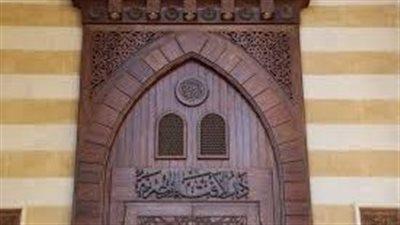

Amid recurring questions about the legitimacy of collective remembrance (dhikr), prophetic praise, and spiritual supplications, Dar Al-Ifta clarified that these acts are firmly rooted in Islamic teachings and free from any religious doubt.
Dar Al-Ifta stated that collective dhikr is permissible in Islamic law, as the command to remember Allah is general and unrestricted. When a religious command is given without limitation, it encompasses all valid forms unless a specific prohibition exists.
Labeling collective dhikr as an innovation, the statement noted, is itself a blameworthy restriction of what Allah and His Messenger ﷺ left open. Group remembrance, they explained, is more likely to soften hearts, unify intentions, and inspire humility before Allah.
Regarding prophetic praise, Dar Al-Ifta emphasized that it is a well-established Sunnah passed down through generations. Such praise deepens love for the Prophet ﷺ, encourages following his noble character, and brings spiritual illumination to hearts.
The institution concluded that dhikr, praise, and devotional chants remain timeless expressions of faith, reviving souls and drawing believers closer to divine presence when performed with sincerity.




