
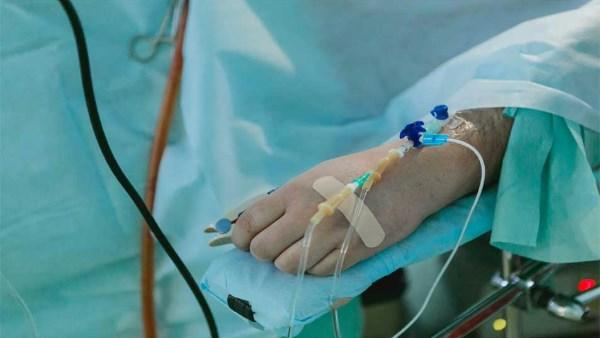

Egypt’s Dar Al-Ifta clarified an important ruling concerning elderly individuals and those unable to fast, after receiving a question from an elderly man suffering from illness who had missed several days of Ramadan fasting. The man asked whether he could pay the expiation for those missed days to his 76-year-old brother residing in a nursing home, who suffers from high blood pressure and requires funds to purchase essential medication. Dar Al-Ifta confirmed that doing so is entirely permissible, and that such an act combines the virtues of charity and maintaining family ties, as a person who cannot fast due to permanent inability may direct the expiation to a relative in need without any religious objection.
The Fatwa Committee of Al-Azhar’s Islamic Research Academy further explained that Islamic law is built upon mercy and ease, and that Allah has exempted from fasting anyone for whom it would cause severe hardship. This includes the sick, the elderly, pregnant and breastfeeding women if fasting harms them or their children, and travelers. Those whose conditions are temporary must make up the missed days later when able. However, individuals with permanent conditions — such as the very elderly or those with chronic illnesses for which recovery is unlikely — are only required to pay the expiation instead of fasting.
The committee added that the expiation for each missed day amounts to the equivalent cost of two meals: one for suhoor and one for iftar. This fulfills the Qur’anic principle of feeding the needy. The expiation may be given to any eligible poor person, including family members, provided they are genuinely in need. Giving the expiation to a sick brother in financial difficulty is thus doubly rewarding, fulfilling both religious duty and family solidarity.




