


Dar Al-Ifta of Egypt clarifies several rulings related to women’s hair care, especially in cases where hair loss is feared. It emphasizes that Islamic law considers human circumstances and allows what prevents harm and removes hardship.
Ruling on Washing and Combing Women’s Hair
Permissibility with Consideration of Harm
Dar Al-Ifta stated that it is permissible for a woman to wash, undo, and comb her hair. However, if she knows or strongly believes that doing so will lead to hair loss, she is allowed to avoid it in order to prevent harm.
This ruling is supported by a narration from the Prophet ﷺ reported by Aisha (may Allah be pleased with her):
“Undo your hair and comb it” — narrated by Muslim, which reflects ease and facilitation in this matter.
Wearing Makeup During Umrah
Prohibition of Beautification in Ihram
The Fatwa Secretary of Dar Al-Ifta explained that a woman in a state of Ihram is not allowed to wear makeup or beautify herself, as Ihram requires devotion and detachment from adornment.
Beautification is permitted only after completing the rituals of Umrah.
Ihram Prohibitions for Men and Women
Rules That Must Be Observed
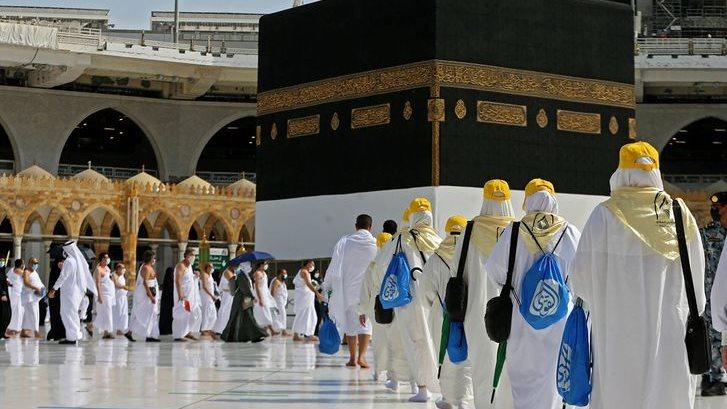
Dar Al-Ifta outlined several Ihram prohibitions, including:
- Covering the head (for men)
- Shaving or removing hair from the body
- Cutting nails
- Using perfumes or scented products
-
- Wearing stitched clothing for men
- Hunting land animals within the sacred area
- Wearing a face veil or gloves for women
Wisdom Behind Islamic Facilitation
Removing Hardship
These rulings reflect that Islamic law prioritizes ease, protects human well-being, and balances worship with preventing harm, ensuring mercy and facilitation in all acts of worship.
Can a woman avoid washing her hair if it causes hair loss?
Yes, if washing or combing leads to harm or hair loss.
Is wearing makeup allowed during Umrah?
No, beautification is not allowed during Ihram and is permitted after Umrah.
Is combing hair allowed during Ihram?
Yes, unless it causes harm or hair loss.
What are the main Ihram prohibitions?
Perfume use, shaving hair, cutting nails, and wearing face veils for women.
Does Islam allow ease in such rulings?
Yes, Islamic law is based on mercy and removing hardship.




