
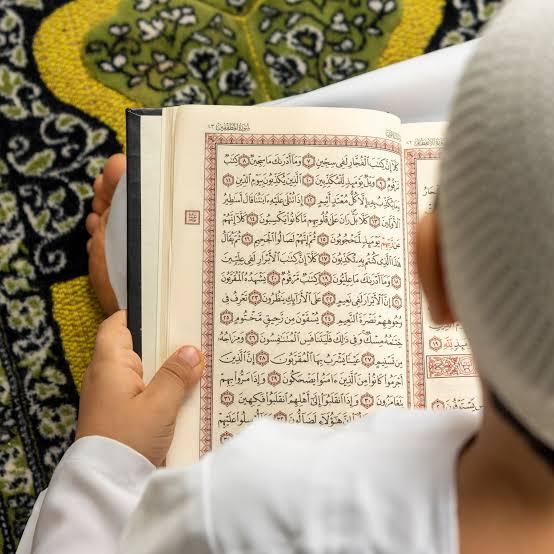

Islamic Ruqyah is one of the greatest means of spiritual protection and healing recommended in Islam. It is based on reciting verses from the Noble Qur'an and authentic Prophetic supplications while firmly believing that healing comes solely from Allah, the Almighty.
Many Muslims seek to learn the correct way to perform Ruqyah, the best Quranic verses for treating the evil eye and envy, and the daily supplications that bring peace of mind and protect a person from harm while avoiding superstitions and practices that contradict Islamic teachings.
What Is Islamic Ruqyah?
Islamic Ruqyah is the recitation of verses from the Qur'an and authentic supplications narrated from the Prophet Muhammad (peace and blessings be upon him) for the purpose of seeking healing and protection. It is an established Sunnah of the Prophet ﷺ.
Authentic Ruqyah is based on several essential principles:
- It should consist of the words of Allah or authentic Islamic supplications.
- One must believe that Allah alone is the Healer.
- It must not contain unknown phrases, talismans, charms, or practices contrary to Islamic law.
- It should be accompanied by taking lawful means while placing trust in Allah.
How to Perform Authentic Islamic Ruqyah
A Muslim may perform Ruqyah for themselves by reciting the Qur'an and the prescribed supplications. Among the most common methods are:
Reciting Over Oneself
The Prophet ﷺ used to perform Ruqyah for himself whenever he became ill. It is authentically narrated from Aisha (may Allah be pleased with her):
"Whenever the Messenger of Allah ﷺ became ill, he would recite the Mu'awwidhat (the last three chapters of the Qur'an) over himself and lightly blow."
It is recommended to begin by reciting Surah Al-Fatihah, followed by Ayat al-Kursi, then Surah Al-Ikhlas, Surah Al-Falaq, and Surah An-Nas, along with authentic Prophetic supplications.
Reciting Over Water
It is permissible to recite Qur'anic verses and supplications over water and then drink it or use it for washing, considering this a permissible means of seeking healing through the Qur'an and remembrance of Allah, while believing that benefit and healing come only from Allah.
The Best Quranic Verses for Ruqyah Against the Evil Eye and Envy
Surah Al-Fatihah
Surah Al-Fatihah is among the greatest chapters of the Qur'an and has been authentically established as a means of healing by Allah's permission.
Ayat al-Kursi
Allah says:
"Allah—there is no deity except Him, the Ever-Living, the Sustainer of all existence. Neither drowsiness overtakes Him nor sleep. To Him belongs whatever is in the heavens and whatever is on the earth..."
(Qur'an 2:255)
The Last Two Verses of Surah Al-Baqarah
Allah says:
"The Messenger has believed in what was revealed to him from his Lord, and so have the believers..."
(Qur'an 2:285–286)
Verses of Healing
Allah says:
"And We send down in the Qur'an that which is a healing and a mercy for the believers."
(Qur'an 17:82)
Surah Al-Ikhlas
"Say, He is Allah, the One. Allah, the Eternal Refuge. He neither begets nor is born. Nor is there to Him any equivalent."
(Qur'an 112)
Surah Al-Falaq
"Say, I seek refuge in the Lord of daybreak, from the evil of what He has created, from the evil of darkness when it settles, from the evil of those who blow upon knots, and from the evil of an envier when he envies."
(Qur'an 113)
Surah An-Nas
"Say, I seek refuge in the Lord of mankind, the Sovereign of mankind, the God of mankind, from the evil of the whisperer who withdraws."
(Qur'an 114)
Supplications for Ruqyah Against the Evil Eye and Envy
Supplication Against the Evil Eye
"In the Name of Allah, I perform Ruqyah for you from everything that harms you, from the evil of every soul or envious eye. May Allah heal you. In the Name of Allah, I perform Ruqyah for you."
Supplication for Protection
"In the Name of Allah, with Whose Name nothing on earth or in heaven can cause harm, and He is the All-Hearing, the All-Knowing."
Recite this three times.
Supplication for Healing
"Remove the suffering, Lord of mankind, and grant healing. You are the Healer. There is no healing except Your healing—a healing that leaves behind no illness."
Supplication for Seeking Refuge
"I seek refuge in the perfect words of Allah from the evil of what He has created."
Supplication Asking Allah for Healing
"I ask Allah, the Mighty, Lord of the Magnificent Throne, to heal you."
Repeat seven times.
Conditions and Etiquette of Islamic Ruqyah
Sincerity and Trust in Allah
The foundation of Ruqyah is sincere faith that Allah alone has the power to remove harm and grant healing.
Following the Qur'an and Sunnah
Ruqyah should be free from incomprehensible phrases, charms, or anything that contradicts Islamic belief.
Combining Supplication with Taking Lawful Means
Ruqyah does not replace seeking medical treatment or taking practical means. Rather, it is an act of worship that combines reliance upon Allah with taking appropriate actions.
Benefits of Islamic Ruqyah
Islamic Ruqyah helps:
- Increase inner peace and tranquility.
- Strengthen one's relationship with Allah.
- Provide protection through Qur'anic recitation and remembrance of Allah.
- Help overcome fear and anxiety through prayer and remembrance.
- Remind the believer that healing comes from Allah alone.
Frequently Asked Questions About Islamic Ruqyah
Can Islamic Ruqyah treat the evil eye and envy?
Yes. Authentic Islamic Ruqyah is one of the legislated means of seeking protection and healing from the evil eye and envy by Allah's permission, while believing that Allah alone grants healing.
Can a person perform Ruqyah for themselves?
Yes. In fact, it is preferable for a Muslim to perform Ruqyah for themselves, as the Prophet ﷺ used to do.
What is the best Surah for Ruqyah?
Surah Al-Fatihah and the Mu'awwidhat (Surah Al-Ikhlas, Surah Al-Falaq, and Surah An-Nas) are among the most recommended chapters to recite for Ruqyah.
Is it permissible to recite Ruqyah over water?
Yes. Many Islamic scholars consider it permissible to recite Qur'anic verses and supplications over water as a lawful means of seeking healing through the Qur'an and remembrance of Allah.
How many times should the verses of Ruqyah be recited?
Ruqyah may be recited as often as needed. Some supplications are recommended in the Sunnah to be repeated a specific number of times, while maintaining sincerity, attentiveness, and complete trust in Allah.




