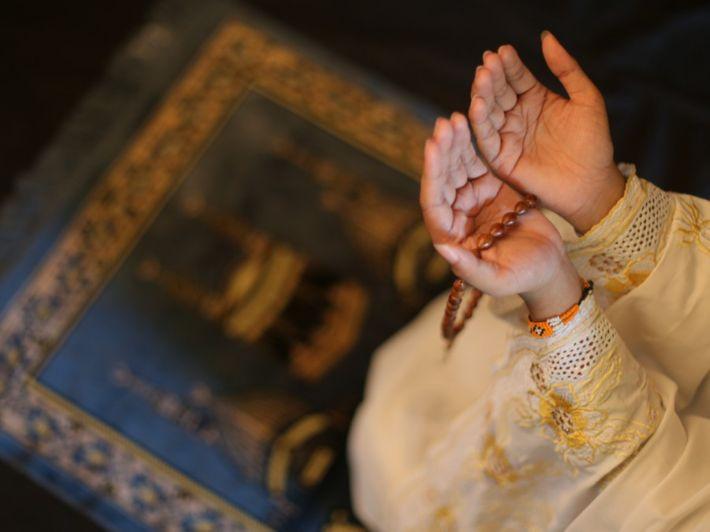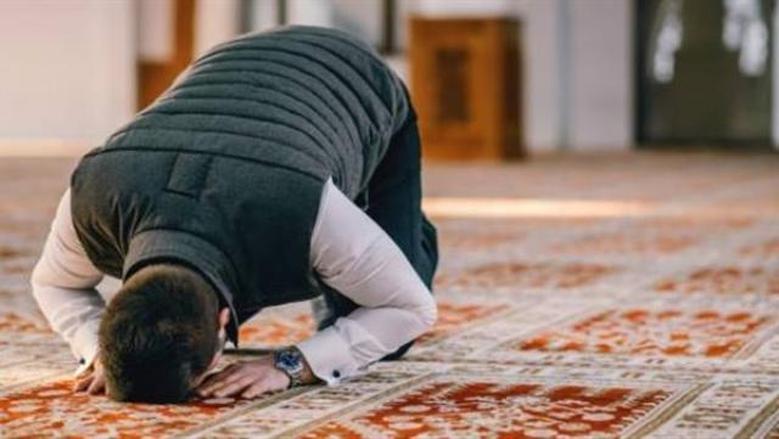

The Prophet Muhammad, peace and blessings be upon him, encouraged Muslims to pray before Asr, saying: “May Allah have mercy on a person who prays four before Asr.”
Islamic jurisprudence distinguishes between emphasized Sunnahs and non-emphasized Sunnahs associated with the obligatory prayers. The prayer before Asr is generally classified among the non-emphasized Sunnahs.
How Many Rak'ahs Are There Before Asr?
The recommended prayer before Asr can be performed as four rak'ahs, based on the prophetic narration: “May Allah have mercy on a person who prays four before Asr.”
There is also a general narration encouraging voluntary prayer between the adhan and iqamah: “Between every two calls to prayer there is a prayer,” followed by “for whoever wishes” on the third mention.
These prayers are voluntary acts of worship and are not obligatory.
Is the Asr Sunnah an Emphasized Sunnah?
The prayer before Asr is not classified as an emphasized Sunnah. Rather, it is among the non-emphasized Sunnahs that Muslims are encouraged to perform.
The distinction is based on the Prophet’s practice. Emphasized Sunnahs are prayers he regularly maintained and rarely left, while non-emphasized Sunnahs were performed on some occasions and left on others.
The well-known twelve-rak'ah Sunnah prayers include four before Dhuhr, two after Dhuhr, two after Maghrib, two after Isha, and two before Fajr.
Can You Pray Four Rak'ahs Before Asr?
Yes. A Muslim may pray four voluntary rak'ahs before Asr, and this practice is supported by the prophetic encouragement mentioned above.
It is a voluntary prayer, and a Muslim may seek the reward associated with it without considering it an obligatory part of the Asr prayer.
What Does “Whoever Misses Asr, His Deeds Are Nullified” Mean?
The Prophet Muhammad, peace and blessings be upon him, said: “Whoever misses the Asr prayer, his deeds are nullified.” The narration is recorded in Sahih al-Bukhari.
The hadith contains a strong warning against neglecting Asr prayer and failing to perform it within its prescribed time.
According to the explanation cited by Dar al-Ifta, scholars understood the statement as referring specifically to the loss of the reward associated with the Asr prayer itself, rather than meaning that every other prayer and good deed becomes invalid.
Does Missing Asr Invalidate All Other Good Deeds?
The explanation distinguishes between a sin affecting another independent act of worship and something that directly corrupts the worship itself.
Acts of worship may be invalidated by matters that affect the act itself, such as showing off, seeking reputation, or corruption of intention. A separate sin does not automatically invalidate an otherwise independent act of worship.
Therefore, the warning concerning missing Asr emphasizes the serious loss associated with neglecting that prayer and its reward; it does not necessarily mean that all other acts of worship become invalid.
How many rak'ahs are recommended before Asr?
Four rak'ahs are recommended before Asr based on the prophetic narration encouraging four rak'ahs before the prayer.
Is the Sunnah before Asr an emphasized Sunnah?
No. It is generally classified as a non-emphasized Sunnah and is recommended rather than obligatory.
What is the virtue of praying before Asr?
The Prophet, peace and blessings be upon him, said: “May Allah have mercy on a person who prays four before Asr.”
What is the ruling on missing Asr prayer?
Neglecting Asr prayer is seriously warned against in the prophetic tradition, particularly when it is deliberately missed or allowed to pass beyond its prescribed time.
Does “his deeds are nullified” mean that all good deeds become invalid?
No. According to the cited explanation, it refers specifically to losing the reward associated with the Asr prayer rather than invalidating every other act of worship.