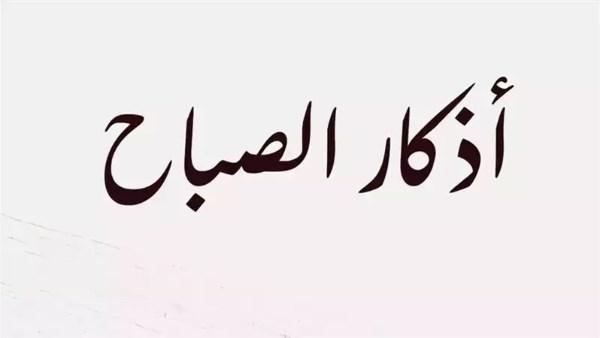

Morning adhkar are among the recommended acts of worship that Muslims recite at the beginning of the day. They include Quranic verses, supplications, seeking forgiveness, remembrance of Allah, and other forms of worship.
The authentic morning adhkar include several well-known remembrances, most notably Ayat al-Kursi, Surah Al-Ikhlas, Surah Al-Falaq, Surah An-Nas, and Sayyid al-Istighfar, along with other supplications established in the Sunnah.
What Are the Complete Authentic Morning Adhkar?
Morning adhkar consist of Quranic verses and supplications that Muslims are encouraged to recite in the morning. Among the most important are the following.
Ayat al-Kursi
Ayat al-Kursi is recited once as part of the morning remembrance. It begins with the words:
“Allah—there is no deity except Him, the Ever-Living, the Sustainer of all.”
It is one of the most well-known verses of the Quran and is commonly included in a Muslim’s daily remembrance.
Surah Al-Ikhlas, Al-Falaq and An-Nas
The three protective surahs—Al-Ikhlas, Al-Falaq, and An-Nas—are recited three times as part of the morning adhkar.
Surah Al-Ikhlas begins with:
“Say, He is Allah, [who is] One.”
Surah Al-Falaq begins with:
“Say, I seek refuge in the Lord of daybreak.”
Surah An-Nas begins with:
“Say, I seek refuge in the Lord of mankind.”
Sayyid al-Istighfar
Sayyid al-Istighfar, meaning the chief supplication for seeking forgiveness, is among the most important morning remembrances. It is recited once.
Its meaning includes acknowledging Allah as the Lord, affirming worship of Him, recognizing His blessings, confessing one’s sins, and asking Him for forgiveness.
When Should Morning Adhkar Be Recited?
The time for morning remembrance begins with the morning, and many Muslims recite their adhkar after Fajr prayer.
If someone becomes occupied and does not recite them immediately, they can still recite the morning remembrance later during the morning. The important point is to maintain remembrance of Allah and observe the prescribed repetitions where applicable.
Why Are Morning Adhkar Important?
Morning adhkar combine remembrance of Allah, supplication, seeking forgiveness, and Quranic recitation.
Maintaining these daily remembrances allows a Muslim to begin the day with remembrance of Allah and encourages continued reliance on Him, supplication, and seeking forgiveness throughout the day.
Is It Necessary to Recite All Morning Adhkar?
A Muslim should strive to maintain the established morning adhkar according to their ability. If circumstances make it difficult to recite everything at once, the person can recite what is possible during the morning.
It is also important to observe the prescribed repetition for adhkar that have a specific number, such as the three protective surahs, which are recited three times.
What is the best time to recite morning adhkar?
They are recited at the beginning of the day, and many Muslims recite them after Fajr prayer.
How many times are the three protective surahs recited?
Al-Ikhlas, Al-Falaq, and An-Nas are recited three times.
How many times is Sayyid al-Istighfar recited?
Sayyid al-Istighfar is recited once as part of the morning adhkar.
Is Ayat al-Kursi part of the morning adhkar?
Yes. Ayat al-Kursi is commonly included among the established morning remembrances.