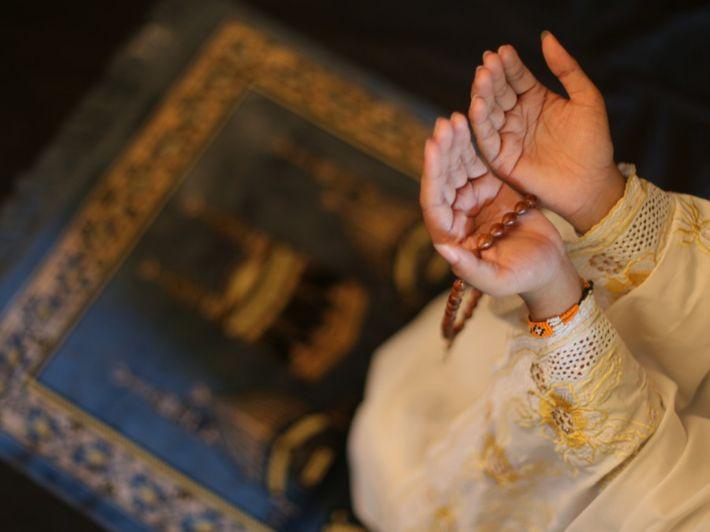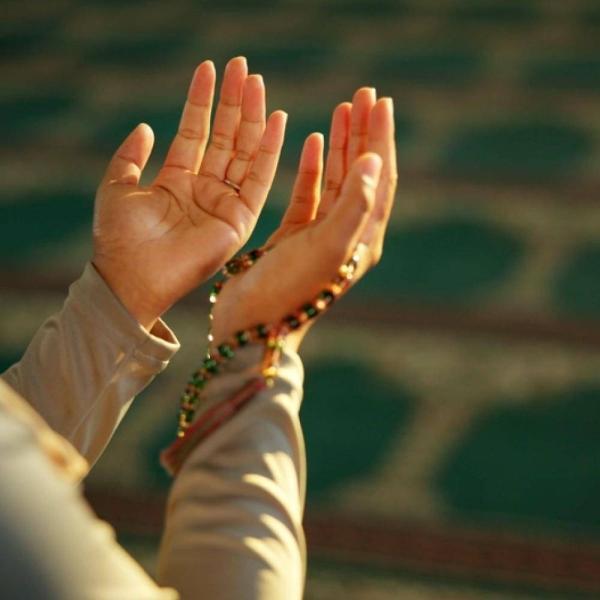

Istighfar, or seeking Allah’s forgiveness, is one of the greatest forms of remembrance in Islam. Muslims are encouraged to seek forgiveness frequently, repent from sins, and turn to Allah with a sincere heart.
Many people search for the benefits of Istighfar 1,000 times daily and wonder whether Islam specifically recommends repeating Istighfar this number of times, what the best form of Istighfar is, and when it should be recited.
What Does Istighfar Mean?
Istighfar means asking Allah Almighty for forgiveness, mercy, and protection from the consequences of sins.
The Quran mentions seeking forgiveness in several places. Allah says:
“Whoever does evil or wrongs himself, then seeks Allah’s forgiveness, will find Allah Forgiving and Merciful.”
Allah also praises those who seek forgiveness before dawn:
“And those who seek forgiveness before dawn.”
The Quran also commands believers to seek Allah’s forgiveness because He is Most Forgiving and Most Merciful.
What Are the Benefits of Istighfar 1,000 Times?
There is no authentic prophetic narration that specifically establishes 1,000 repetitions of Istighfar every day as a prescribed Sunnah.
However, frequently seeking Allah’s forgiveness is strongly encouraged. A Muslim may seek forgiveness 1,000 times a day or even more, as long as they do not believe that this specific number was prescribed by the Prophet Muhammad, peace and blessings be upon him.
The Prophet regularly sought Allah’s forgiveness and repented to Him. He said:
“By Allah, I seek Allah’s forgiveness and repent to Him more than seventy times a day.”
Another authentic narration mentions that the Prophet sought forgiveness one hundred times a day.
Is Seeking Forgiveness 1,000 Times a Bid'ah?
Specifying 1,000 repetitions as a Sunnah established by the Prophet would require evidence, and no authentic text establishes this particular number.
However, if a Muslim chooses 1,000 repetitions as a personal daily routine to organize their remembrance and develop consistency, without believing that this number is a prescribed Sunnah, there is no issue with doing so.
The important matter is frequently remembering Allah and sincerely seeking His forgiveness rather than focusing solely on the number.
What Is the Difference Between Istighfar and Tawbah?
Istighfar and Tawbah are closely connected, but they have distinct meanings.
Istighfar means asking Allah to forgive one's sins, while Tawbah means returning to Allah by abandoning the sin, regretting it, and resolving not to return to it.
Therefore, sincere Istighfar should be accompanied by genuine repentance and a desire to leave sinful actions.
What Is the Best Form of Istighfar?
One of the greatest forms of seeking forgiveness taught by the Prophet Muhammad, peace and blessings be upon him, is Sayyid al-Istighfar, known as the Master Supplication for Forgiveness.
It begins:
“O Allah, You are my Lord. There is no deity except You. You created me and I am Your servant. I uphold Your covenant and promise as best I can. I seek refuge in You from the evil of what I have done. I acknowledge Your blessings upon me, and I acknowledge my sin. So forgive me, for none can forgive sins except You.”
This supplication is authentically reported from the Prophet and is among the established morning and evening remembrances.
What Are the Benefits of Seeking Forgiveness Every Day?
Frequently seeking forgiveness is among the righteous deeds encouraged in Islam. The Prophet Muhammad, peace and blessings be upon him, regularly sought forgiveness despite his elevated status.
He said:
“By Allah, I seek Allah’s forgiveness and repent to Him more than seventy times a day.”
This demonstrates the importance of making Istighfar a regular part of a Muslim’s daily worship.
What Are the Best Times for Istighfar?
Seeking Allah’s forgiveness is permissible and recommended at all times. A Muslim does not need to wait for a particular time to make Istighfar.
However, the Quran and Sunnah highlight certain occasions, including the time before dawn, when Allah praises those who seek forgiveness.
Istighfar is also part of the remembrance performed after obligatory prayers, as the Prophet used to seek forgiveness three times after completing the prayer.
Istighfar Before Dawn
The time before dawn is among the virtuous times for seeking forgiveness and supplicating to Allah.
Allah says:
“And in the hours before dawn, they would seek forgiveness.”
For this reason, Muslims may make Istighfar during the last part of the night, particularly before Fajr, while also making sincere supplication to Allah.
Should You Have Presence of Heart When Making Istighfar?
A Muslim should strive to understand the meaning of Istighfar and remember Allah sincerely while saying it.
Istighfar is not merely the repetition of words. Its deeper meaning includes recognizing one's shortcomings, seeking Allah’s forgiveness, regretting sins, and returning sincerely to Him.
Conclusion
The virtue of Istighfar is firmly established in Islam, but there is no authentic evidence that specifically prescribes seeking forgiveness 1,000 times every day.
A Muslim may nevertheless choose to recite Istighfar 1,000 times or more as a personal daily practice for organizing remembrance, provided they do not believe that this particular number is an established Sunnah.
Among the greatest forms of Istighfar is Sayyid al-Istighfar, which was taught by the Prophet Muhammad, peace and blessings be upon him.
Seeking forgiveness is encouraged throughout the day, with particular virtue reported for times such as before dawn and after prayer.
Does Istighfar 1,000 times have a special virtue?
There is no authentic text establishing a special virtue specifically for reciting Istighfar 1,000 times, although frequent Istighfar is strongly encouraged.
Can I choose a specific number for daily Istighfar?
Yes. A person may choose a number as a personal routine for consistency and organization, without believing that the number itself is a prescribed Sunnah.
What is the best form of Istighfar?
One of the greatest forms is Sayyid al-Istighfar, the Master Supplication for Forgiveness taught by the Prophet Muhammad, peace and blessings be upon him.
When is the best time to seek forgiveness?
Istighfar is recommended at all times. The time before dawn is specifically praised in the Quran, and seeking forgiveness after prayer is also established.
Does Istighfar replace repentance?
Istighfar and repentance are closely connected. Sincere repentance involves abandoning the sin, regretting it, and resolving not to return to it.