What Is the Best Supplication for Seeking Forgiveness? Sayyid al-Istighfar and Its Virtues
What is the best dua for seeking forgiveness? Learn about Sayyid al-Istighfar, its great virtues, other authentic supplications for forgiveness, and the conditions of sincere repentance in Islam.
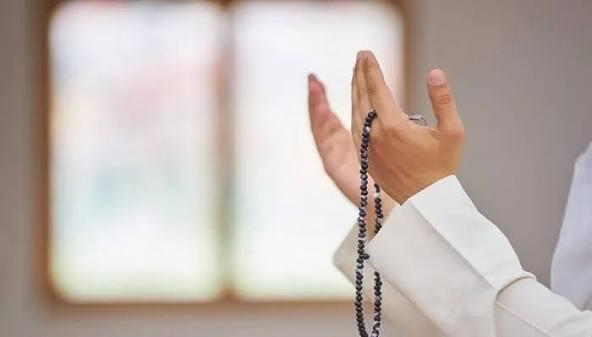

What Is the Best Supplication for Seeking Forgiveness?
The best supplication for seeking Allah’s forgiveness is known as Sayyid al-Istighfar (The Master Supplication for Forgiveness). The Prophet Muhammad ﷺ taught it to his companions and described it as the greatest formula for seeking forgiveness. It beautifully combines faith in Allah, gratitude for His blessings, acknowledgment of one's sins, and a sincere plea for forgiveness.
What Is Sayyid al-Istighfar?
The Prophet ﷺ said: "O Allah, You are my Lord. There is no deity worthy of worship except You. You created me, and I am Your servant. I uphold Your covenant and promise as best I can. I seek refuge in You from the evil of what I have done. I acknowledge before You Your blessings upon me, and I acknowledge my sins. So forgive me, for none forgives sins except You." This supplication is called Sayyid al-Istighfar because it encompasses the greatest meanings of monotheism, humility, gratitude, repentance, and seeking Allah’s mercy.
The Virtue of Sayyid al-Istighfar
According to an authentic hadith, the Prophet ﷺ said: Whoever recites Sayyid al-Istighfar during the day with sincere faith and dies before evening will be among the people of Paradise. Whoever recites it during the night with sincere faith and dies before morning will also be among the people of Paradise. This highlights the immense reward and significance of this blessed supplication.
Other Authentic Supplications for Forgiveness
1. Astaghfirullah al-'Azim wa Atubu Ilayh
"I seek forgiveness from Allah, the Almighty, besides Whom there is no deity, the Ever-Living, the Sustainer, and I repent to Him." This is one of the most commonly recited supplications for forgiveness in Islam.
2. Rabbighfir Li wa Tub 'Alayya
"My Lord, forgive me and accept my repentance. Indeed, You are the Acceptor of Repentance, the Most Merciful." The Prophet ﷺ frequently repeated this supplication in his gatherings.
3. Simple Istighfar
"Astaghfirullah wa Atubu Ilayh" ("I seek Allah's forgiveness and repent to Him.") This concise remembrance is highly recommended and can be recited at any time.
Conditions of Sincere Repentance
For forgiveness to be meaningful, it should be accompanied by sincere repentance, which includes:
Feeling Genuine Remorse
A believer should sincerely regret committing the sin.
Stopping the Sin Immediately
One must abandon the sinful act without delay.
Resolving Not to Return
There should be a firm intention never to commit the sin again.
Restoring the Rights of Others
If the sin involved harming another person, their rights should be restored or forgiveness sought.
When Should You Seek Forgiveness?
Muslims are encouraged to seek Allah’s forgiveness at all times, especially: After the five daily prayers. During the last third of the night. Immediately after committing a sin. At the end of gatherings. During Ramadan and other blessed occasions.
Why Is Seeking Forgiveness So Important?
Seeking forgiveness is among the greatest acts of worship. It strengthens a believer’s relationship with Allah, brings peace to the heart, opens the doors of mercy, and is a means of having sins forgiven. True istighfar is not merely spoken words—it is a sincere return to Allah through repentance, humility, and obedience.

Learn about the supplications for waking up from sleep that are reported in the Prophetic Sunnah, and the best prayers to say upon waking up to begin the day with peace of mind and remembrance of Allah.
Discover the best good deeds to perform during the Sacred Months, especially in Muharram, according to Egypt's Dar Al-Ifta and Al-Azhar Global Fatwa Center.

Discover the complete story of Prophet Solomon (Sulaiman), his extraordinary kingdom, miracles, wisdom, and how his death proved that only Allah knows the unseen.

Learn the Islamic ruling on whether women must cover their feet during prayer, the opinions of leading scholars, and whether prayer remains valid without socks.
