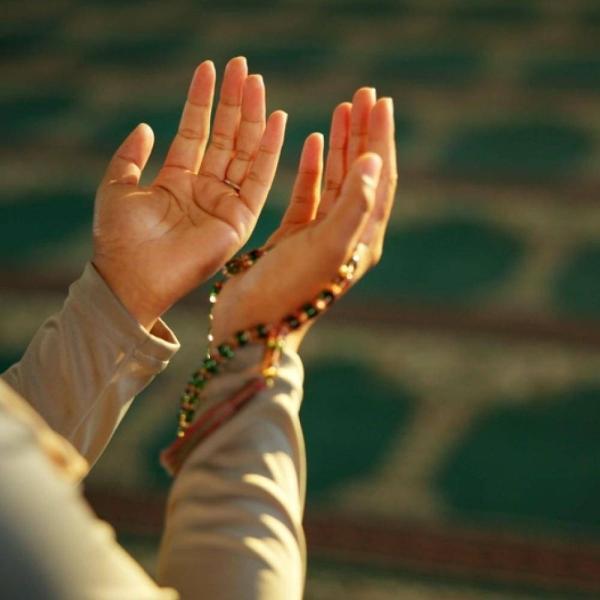
What are the best duas for answered prayers? Muslims often seek authentic supplications to recite during times of difficulty, need and hope, while also seeking the most virtuous times to turn to Allah.
Best Duas for Answered Prayers
Among the greatest supplications is the prayer of Prophet Yunus عليه السلام:
“There is no deity except You; glory be to You. Indeed, I was among the wrongdoers.”
This powerful supplication combines belief in Allah’s oneness, glorification of Him and acknowledgment of human weakness.
Another well-known supplication for seeking Allah’s favor is:
“O Allah, to You belongs all praise. There is no deity except You, alone, without partner, the Bestower, Creator of the heavens and the earth, Possessor of Majesty and Honor, Ever-Living, Sustainer.”
For distress and hardship, Muslims may also recite:
“There is no deity except Allah, the Most Great, the Forbearing. There is no deity except Allah, Lord of the Mighty Throne. There is no deity except Allah, Lord of the heavens, Lord of the earth and Lord of the Noble Throne.”
Dua for Ease and Relief
A well-known supplication for seeking ease is:
“O Allah, there is no ease except what You make easy, and You can make hardship easy if You will.”
A Muslim may also ask Allah directly for whatever is good and lawful in this life and the Hereafter, while remembering that no particular wording guarantees an automatic response.
The Best Times for Dua
Islamic teachings identify several virtuous times for supplication.
The Last Third of the Night
The final third of the night is among the greatest times for dua. Prophetic teachings describe Allah’s call to His servants during this blessed period, inviting them to ask and seek forgiveness.
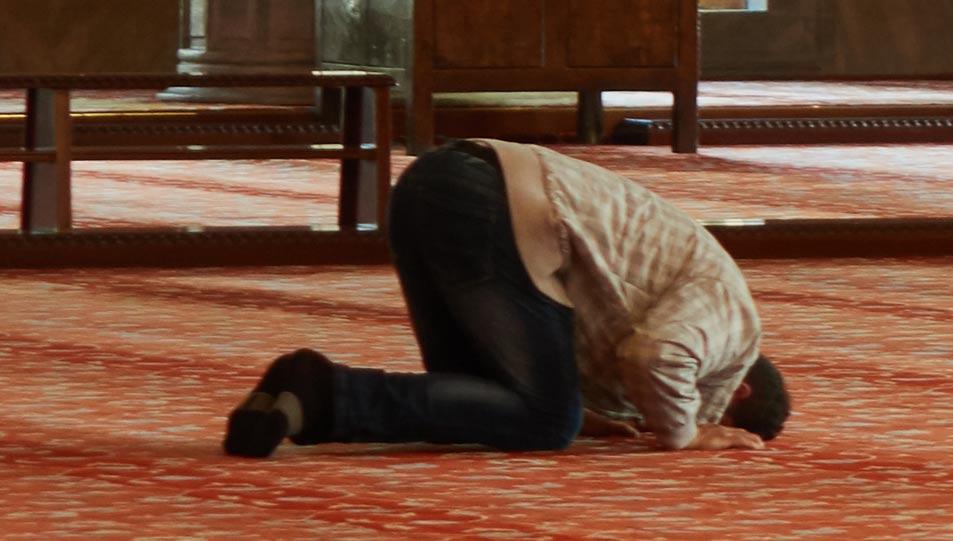
During Sujood
The Prophet ﷺ said:
“The closest a servant is to his Lord is while prostrating, so increase your supplication.”
For this reason, sujood is one of the most important opportunities for sincere personal dua.
Between the Adhan and Iqamah
The period between the call to prayer and the beginning of the prayer is also regarded as a special time for supplication.
The Final Hour of Friday
Friday contains a special hour in which supplication is accepted. One of the well-known scholarly views places it during the final part of Friday, after Asr until sunset.
Causes and Etiquette of Answered Dua
A Muslim should observe several important principles when making dua:
- Sincerity toward Allah.
- Presence of heart and attention.
- Trust in Allah’s wisdom and mercy.
- Seeking lawful food, wealth and livelihood.
- Avoiding impatience.
- Never giving up hope in Allah’s mercy.
- Frequent repentance and seeking forgiveness.
- Sending blessings upon Prophet Muhammad ﷺ before and after supplication.
Does Delayed Answer Mean the Dua Was Rejected?
A delayed response does not necessarily mean that a dua has been rejected. Allah knows what is best for His servant, and the response may take different forms.
Therefore, a believer should continue making dua without despair or impatience, trusting Allah’s wisdom and mercy.
How Should a Muslim Make Dua?
A Muslim may begin by praising Allah and sending blessings upon Prophet Muhammad ﷺ, then ask Allah sincerely for what is needed and beneficial.
The supplication should be made with humility and a present heart, while asking for something lawful and avoiding impatience.
Conclusion
Among the greatest duas for seeking Allah’s response is the Dua of Yunus: “There is no deity except You; glory be to You. Indeed, I was among the wrongdoers.”
Other important supplications include those for distress and ease. The most virtuous times include sujood, the final third of the night, the period between Adhan and Iqamah, and the special hour of Friday.
Sincerity, lawful living, patience, trust in Allah and persistence in dua remain among the most important principles of supplication.
What is the best dua for an answered prayer?
One of the greatest is the Dua of Yunus: “There is no deity except You; glory be to You. Indeed, I was among the wrongdoers.”
When is dua most likely to be answered?
Among the most virtuous times are sujood, the final third of the night and the period between Adhan and Iqamah.
Can I make dua during sujood?
Yes. The Prophet ﷺ encouraged increasing supplication while prostrating.
What should I do if my dua is delayed?
Remain patient, continue supplicating and maintain good expectations of Allah.