The Best Forms of Istighfar and Repentance — Sayyid al-Istighfar and Supplications for Seeking Forgiveness
Learn about the best forms of istighfar (seeking forgiveness) and repentance, foremost among them Sayyid al-Istighfar, along with authentic supplications, the conditions of sincere repentance, and seeking Allah’s forgiveness.


Many Muslims search for the best forms of istighfar (seeking forgiveness) and repentance to Allah because of the great importance of seeking forgiveness in a Muslim’s life. Istighfar is one of the means of attaining Allah’s mercy and returning to Him. It expresses regret for sin and a sincere request for forgiveness.
Among the most well-known forms mentioned in the Sunnah is Sayyid al-Istighfar, along with frequently saying: “I seek forgiveness from Allah and repent to Him.”
Sayyid al-Istighfar
Sayyid al-Istighfar is considered one of the greatest supplications for seeking forgiveness. It was narrated that the Prophet Muhammad (peace and blessings be upon him) said:
“O Allah, You are my Lord. There is no god but You. You created me, and I am Your servant. I abide by Your covenant and promise as best as I can. I seek refuge in You from the evil of what I have done. I acknowledge Your blessings upon me, and I acknowledge my sin, so forgive me, for none forgives sins except You.”
This supplication combines the meanings of monotheism, acknowledging Allah’s blessings, admitting one’s sins, and seeking forgiveness and mercy.
“I Seek Forgiveness from Allah and Repent to Him”
One of the well-known forms of istighfar is for a Muslim to say:
“I seek forgiveness from Allah and repent to Him.”
Istighfar means asking Allah Almighty for forgiveness, while repentance means turning away from sin, regretting it, and resolving not to return to it.
Supplications for Repentance and Forgiveness
Supplication of Regret and Acknowledgment
Allah Almighty says:
“Our Lord, we have wronged ourselves, and if You do not forgive us and have mercy upon us, we will surely be among the losers.”
This supplication expresses acknowledgment of one’s shortcomings and one’s need for Allah’s forgiveness and mercy.
Supplication for Seeking Forgiveness
Among the supplications a Muslim may make when asking for pardon and forgiveness is:
“O Allah, forgive me all my sins, the small and the great, the first and the last, the secret and the public.”
A Muslim may also call upon Allah with any sincere supplication, as long as it is permissible and does not involve sin or severing ties of kinship.
Conditions of Sincere Repentance
Regret for the Sin
A Muslim should sincerely regret the sin they have committed and recognize their need for Allah’s forgiveness.
Abandoning the Sin
Repentance requires abandoning the sin and not continuing to commit it. Repentance is not merely words spoken by the tongue; rather, it is a practical return to Allah.
Resolving Not to Return to the Sin
A Muslim should sincerely resolve not to return to the sin, while seeking Allah’s help and remaining steadfast in obedience.
Restoring People’s Rights
If the sin involves the rights of other people, the matter should be addressed by returning their rights to them or seeking their pardon, as appropriate to the circumstances.
When Should a Muslim Frequently Seek Forgiveness?
A Muslim may seek Allah’s forgiveness at different times and make istighfar part of their daily life. They may seek forgiveness after falling short, when feeling regret, during moments of solitude, and after acts of worship, while asking Allah for steadfastness and acceptance.
Most importantly, istighfar should be accompanied by a present heart and a sincere desire for self-improvement and returning to Allah.
What Is the Best Form of Istighfar?
One of the greatest forms of istighfar mentioned in the Sunnah is Sayyid al-Istighfar. A Muslim may also frequently say: “I seek forgiveness from Allah and repent to Him.”
What Are the Conditions of Sincere Repentance?
The main conditions include regretting the sin, abandoning it, resolving not to return to it, and restoring the rights of others when the sin involves them.
Is It Permissible to Use Other Words When Seeking Forgiveness?
Yes. A Muslim may supplicate to Allah using any permissible supplications that ask for forgiveness and mercy.
Is Istighfar Limited to a Specific Time?
No. Istighfar is not limited to a specific time. A Muslim may frequently seek Allah’s forgiveness at all times.

Learn the authentic supplications and prophetic remembrances recommended when leaving home, seeking Allah’s guidance, protection, safety, and reliance.

Learn about the dua that can be made after reading Surah Al-Baqarah, along with authentic teachings about its virtues and the value of regularly reciting it.
Learn about the wives of Prophet Muhammad ﷺ, the Mothers of the Believers, and the noble purposes and wisdom associated with his marriages.
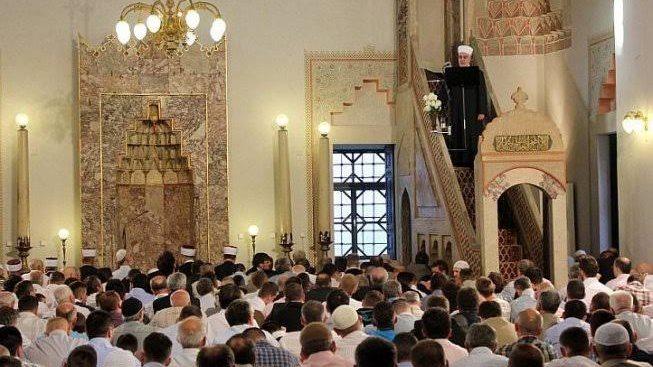
Egypt’s Ministry of Awqaf announces the upcoming Friday sermon, focusing on love for Prophet Muhammad ﷺ, honoring his status, following his example, and spreading mercy.
