Best Istighfar Duas: Sayyid al-Istighfar and Prayers for Forgiveness
Learn the best authentic Istighfar duas reported from Prophet Muhammad, including Sayyid al-Istighfar and supplications for forgiveness, mercy, and repentance.


What is the best dua for Istighfar?
Sayyid al-Istighfar, or the Master Supplication for Forgiveness, is considered one of the greatest authentic forms of Istighfar reported from Prophet Muhammad, peace and blessings be upon him.
It combines profound meanings of faith, including acknowledging Allah’s lordship, recognizing one’s servitude to Him, acknowledging His blessings, admitting one’s sins, and asking Him for forgiveness.
Several other prophetic supplications also ask Allah for forgiveness, pardon, mercy, and sincere repentance.
Sayyid al-Istighfar
The Prophet Muhammad, peace and blessings be upon him, taught the following supplication:
“O Allah, You are my Lord. There is no deity except You. You created me and I am Your servant. I abide by Your covenant and promise as best as I can. I seek refuge in You from the evil of what I have done. I acknowledge Your blessings upon me, and I acknowledge my sin, so forgive me, for none forgives sins except You.”
This supplication brings together several important meanings. It begins with the affirmation of Allah’s oneness and lordship, followed by acknowledgment of servitude, gratitude for His blessings, admission of sin, and a direct request for forgiveness.
Prophetic Duas for Forgiveness
“O Allah, You are Pardoning and love to pardon”
One of the well-known comprehensive supplications is:
“O Allah, You are Pardoning and You love to pardon, so pardon me.”
This is a powerful prayer asking Allah for pardon and forgiveness.
A Dua for Forgiveness of Mistakes and Ignorance
The Prophet Muhammad, peace and blessings be upon him, also supplicated:
“O Allah, forgive me my mistakes and my ignorance, my excesses in my affairs, and what You know better than I do.”
This prayer asks Allah to forgive mistakes, ignorance, excesses, and shortcomings known only to Him.
A Dua for Acknowledging Sin
Another profound supplication is:
“O Allah, I have greatly wronged myself, and none forgives sins except You. So grant me forgiveness from You and have mercy upon me. Indeed, You are the Most Forgiving, Most Merciful.”
This dua combines acknowledgment of wrongdoing with a sincere request for Allah’s forgiveness and mercy.
A Dua for Repentance
A concise supplication for forgiveness and repentance is:
“My Lord, forgive me and accept my repentance. Indeed, You are the Ever-Relenting, Most Merciful.”
It combines the request for forgiveness with the request to be accepted in sincere repentance.
Istighfar and Repentance to Allah
A commonly used form of Istighfar is:
“I seek forgiveness from Allah the Almighty, there is no deity except Him, the Ever-Living, the Sustainer, and I repent to Him.”
This combines seeking forgiveness with repentance while praising Allah through His names and attributes.
Why is Istighfar Important?
Istighfar is one of the great acts of worship through which a Muslim turns back to Allah.
It expresses acknowledgment of human shortcomings and the need for Allah’s forgiveness and mercy.
Istighfar is not merely the repetition of words. Its deeper meaning is strengthened when it is accompanied by sincere repentance, regret for wrongdoing, and a genuine intention to avoid returning to the sin.
What Is the Difference Between Istighfar and Repentance?
Istighfar means asking Allah to forgive one’s sins, while repentance means turning back to Allah by abandoning the sin, regretting it, and resolving not to return to it.
For this reason, Muslims combine Istighfar with sincere repentance: they ask Allah for forgiveness while working to correct their actions and stay away from wrongdoing.
When Is the Best Time to Make Istighfar?
A Muslim may seek Allah’s forgiveness and make dua at any time because Istighfar is not restricted to one particular time.
The act becomes especially meaningful when the heart is attentive and the person sincerely seeks forgiveness and wishes to return to Allah.
Istighfar should therefore not be limited to moments immediately after committing a sin. It can become a regular act of worship throughout a Muslim’s life.
How Should Istighfar Be Practiced?
Sincerity Toward Allah
Istighfar should be directed sincerely to Allah, with the belief that He alone forgives sins.
Acknowledging One’s Shortcomings
Seeking forgiveness includes recognizing one’s mistakes and shortcomings rather than refusing to admit them.
Feeling Regret
Sincere repentance includes regret for wrongdoing and a genuine desire to leave the sin behind.
Resolving Not to Return to the Sin
A complete repentance involves resolving not to return to the wrongdoing and making an effort to correct what can be corrected.
Why Is Sayyid al-Istighfar Considered So Great?
Sayyid al-Istighfar brings together numerous profound meanings in one supplication.
It includes affirming Allah’s oneness, acknowledging servitude, recognizing His blessings, admitting one’s sins, seeking protection from the consequences of one’s actions, and asking Allah for forgiveness.
For this reason, it is among the most significant forms of Istighfar reported from Prophet Muhammad, peace and blessings be upon him.
What is the best Istighfar dua?
One of the greatest authentic supplications for forgiveness is Sayyid al-Istighfar, beginning with: “O Allah, You are my Lord. There is no deity except You.”
What is Sayyid al-Istighfar?
Sayyid al-Istighfar is the Master Supplication for Forgiveness taught by Prophet Muhammad. It combines belief in Allah, acknowledgment of His blessings and confession of sin.
Can Muslims seek forgiveness using any wording?
A Muslim may ask Allah for forgiveness using sound and appropriate words. However, authentic prophetic supplications are among the best forms of Istighfar.
What is the difference between Istighfar and repentance?
Istighfar is asking Allah for forgiveness, while repentance involves turning away from sin, regretting it, and resolving not to return to it.
Can Istighfar be made at any time?
Yes. Istighfar can be practiced at any time, and a Muslim may frequently seek Allah’s forgiveness throughout the day.

An explanation of the Quranic verse about Al-Mann and Al-Salwa, the blessings Allah granted the Children of Israel, and the lesson behind their failure to appreciate these blessings.
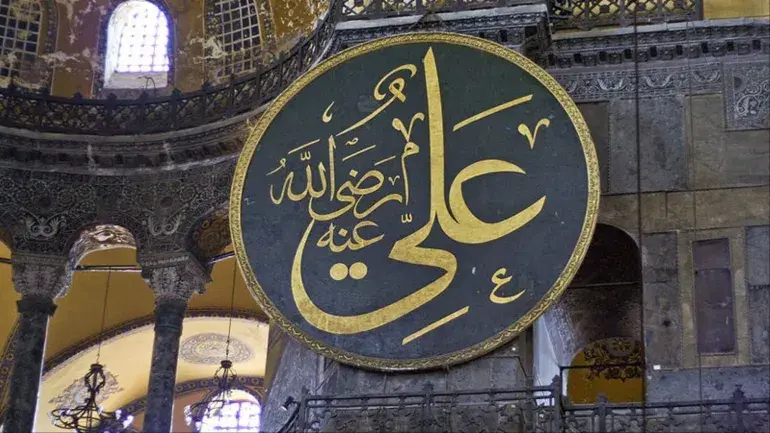
Was the caliphate of Ali ibn Abi Talib part of Allah’s divine will? Learn about the difference between divine decree and religious will and the Sunni view of Ali’s caliphate.

Uthman ibn Affan was one of the ten companions promised Paradise, the third Rightly Guided Caliph, and the companion known as Dhul-Nurayn. He played a major role in preserving the Quran and transmitting Prophetic teachings.

Egypt’s Dar Al-Ifta has addressed several questions concerning Islamic rulings, including declining-rate mortgage financing, providing drinking water as charity, women exposing their feet during prayer, and reciting Al-Fatihah behind the imam
