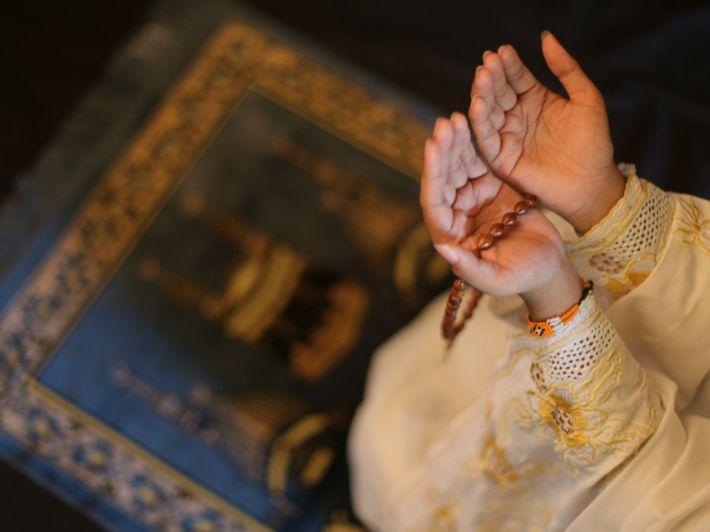

Have you ever felt the strength and comfort that come from supplication? Allah says: “Call upon Me; I will respond to you.” This verse opens the door of hope and mercy, reminding believers that turning to Allah is an essential part of faith.
Dua is not simply a request for a worldly need. It is an act of worship through which a Muslim expresses humility, dependence on Allah, and trust in His mercy and wisdom.
The Sunnah contains many comprehensive supplications covering forgiveness, guidance, protection, well-being, relief from distress, and goodness in both this life and the Hereafter.
The Meaning of “Call Upon Me; I Will Respond to You”
Allah says:
“And your Lord has said, ‘Call upon Me; I will respond to you. Indeed, those who are too arrogant to worship Me will enter Hell in humiliation.’” [Ghafir: 60]
The verse highlights the importance of supplication and worship. Allah invites His servants to turn to Him, ask Him, and worship Him, while warning against arrogance and refusing to worship Him.
The explanation attributed to Al-Saadi emphasizes that this invitation is among Allah’s great blessings because it guides people toward what benefits them in their religion and worldly affairs.
50 Prophetic Supplications
The Sunnah contains numerous comprehensive duas. Among the most important are the following:
Duas for Faith, Trust and Forgiveness
“O Allah, to You I have submitted, in You I have believed, upon You I have relied, and to You I have turned. Forgive me for what I have done and what I have yet to do, what I have concealed and what I have revealed, and what You know better than I do. There is no deity but You.”
“Glory be to You, O Allah, our Lord, and praise be to You. O Allah, forgive me.”
“O Allah, I have greatly wronged myself, and no one forgives sins except You. So forgive me with forgiveness from You and have mercy upon me. Indeed, You are the Most Forgiving, Most Merciful.”
“O Allah, You are my Lord; there is no deity but You. You created me and I am Your servant. I acknowledge Your blessing upon me and acknowledge my sin, so forgive me, for none forgives sins except You.”
Duas for Anxiety, Distress and Hardship
“O Allah, I seek refuge in You from incapacity, laziness, cowardice, old age and miserliness, and I seek refuge in You from the punishment of the grave and the trials of life and death.”
“O Allah, I seek refuge in You from anxiety and grief, weakness and laziness, cowardice and miserliness, the burden of debt and being overcome by others.”
“O Allah, I seek refuge in You from severe trials, misery, an evil decree and the rejoicing of enemies at my misfortune.”
“O Allah, I hope for Your mercy, so do not leave me to myself even for the blink of an eye. Set all of my affairs right. There is no deity but You.”
Duas for Guidance and Righteousness
“O Allah, I ask You for guidance, piety, chastity and sufficiency.”
“O Allah, help me remember You, thank You and worship You well.”
“O Allah, guide me and make me steadfast.”
“O Turner of hearts, make my heart firm upon Your religion.”
“O Allah, Director of hearts, direct our hearts toward Your obedience.”
Duas for Forgiveness
“O Allah, forgive my sin, my ignorance and my excess in my affairs, and what You know better than I do. Forgive my serious and joking mistakes, my errors and deliberate actions.”
“O Allah, forgive all my sins, the small and the great, the first and the last, the apparent and the hidden.”
“O Allah, forgive me, have mercy upon me, guide me and provide for me.”
“My Lord, forgive me and accept my repentance. Indeed, You are the One who accepts repentance, the Most Forgiving.”
A Comprehensive Dua for Goodness
One of the most comprehensive supplications is:
“Our Lord, give us good in this world and good in the Hereafter, and protect us from the punishment of the Fire.”
This short dua encompasses the believer’s request for goodness in both worlds and protection from the Fire.
Comprehensive Dua for Religion, Worldly Life and the Hereafter
“O Allah, set right for me my religion, which is the safeguard of my affairs; set right for me my worldly life, in which is my livelihood; set right for me my Hereafter, to which is my return; make life an increase for me in every good, and make death a relief for me from every evil.”
This is among the most comprehensive prophetic supplications because it asks for goodness in every major aspect of a believer’s life.
What Are the Most Comprehensive Prophetic Duas?
Comprehensive supplications are distinguished by their ability to convey broad meanings through relatively few words.
Among them are:
“O Allah, I ask You for guidance, piety, chastity and sufficiency.”
“O Allah, I seek refuge in You from severe trials, misery, an evil decree and the rejoicing of enemies.”
“O Turner of hearts, make my heart firm upon Your religion.”
“O Allah, Director of hearts, direct our hearts toward Your obedience.”
These supplications teach Muslims to ask Allah for both spiritual and worldly goodness while seeking protection from harm.
What Dua Did the Prophet ﷺ Frequently Make?
Among the most famous comprehensive duas reported from the Prophet ﷺ is:
“Our Lord, give us good in this world and good in the Hereafter, and protect us from the punishment of the Fire.”
It brings together the believer’s request for worldly goodness, eternal success, and protection from punishment.
The “good” of this world can include well-being, beneficial knowledge, righteous deeds and other forms of goodness. The good of the Hereafter includes Paradise and its lasting blessings.
For this reason, it is regarded as one of the greatest comprehensive prophetic supplications.
Recommended Duas for Different Occasions
A Muslim may ask Allah for whatever good and permissible matters he needs. However, learning authentic prophetic supplications is especially valuable because they teach believers how to express their needs with concise and comprehensive words.
Dua for Seeing the Ramadan Crescent
A supplication attributed to the Prophet ﷺ when seeing the crescent is:
“O Allah, let it rise upon us with blessing and faith, safety and Islam. My Lord and your Lord is Allah.”
Dua at Iftar
Supplication at the time of breaking the fast is regarded as a special opportunity for dua. A narration states that the fasting person has a supplication at the time of breaking the fast that is not rejected, although the chain of this particular narration has been regarded as weak.
Dua After Eating at Someone’s Home
Among the supplications reported when the Prophet ﷺ broke his fast at another household:
“May the fasting people break their fast with you, may mercy cover you, may the righteous eat your food, and may the angels descend upon you.”
Dua for Laylat al-Qadr
When Aisha رضي الله عنها asked the Prophet ﷺ what she should say if she knew which night was Laylat al-Qadr, he taught her:
“O Allah, You are Most Forgiving and love forgiveness, so forgive me.”
This is one of the best-known duas for Laylat al-Qadr because it asks Allah for pardon, forgiveness and mercy.
Dua During Night Prayer
Among the supplications reported during the Prophet’s night prayer is a lengthy dua beginning with praise of Allah as the Lord of the heavens and earth and affirming His truth, His promise, Paradise, Hell and the Last Hour.
It also includes:
“O Allah, to You I have submitted, in You I have believed, upon You I have relied... so forgive me for what I have done and what I have yet to do, what I have concealed and what I have revealed.”
This prayer combines praise, faith, reliance upon Allah and a request for forgiveness.
When Is Dua Most Likely to Be Answered?
A believer is encouraged to make dua at all times and to avoid factors that may hinder acceptance, including consuming unlawful food and approaching supplication with heedlessness.
The Prophet ﷺ also encouraged believers to call upon Allah with certainty in His response rather than becoming impatient.
There are also particular times in which the hope of acceptance is especially strong.
The Last Third of the Night
The final third of the night is among the most virtuous times for prayer, remembrance, seeking forgiveness and supplication.
Between the Adhan and Iqamah
The period between the call to prayer and the beginning of the prayer is another recommended time for dua.
During Prostration
Prostration is a particularly important moment for supplication, as it represents humility and closeness to Allah.
Friday
Prophetic narrations mention a special hour on Friday during which supplication is answered. Scholars differed over its exact timing, with views including the period when the imam is on the pulpit and the final hour after Asr.
When Rain Falls
The time when rain is falling is also among the occasions in which Muslims are encouraged to make dua.
At the Time of Breaking the Fast
The fasting person is encouraged to make supplication at iftar, while the strength of individual narrations should be considered when attributing specific wording to the Prophet ﷺ.
The Virtue of Dua in the Sunnah
The Quran and Sunnah contain many texts emphasizing the importance of supplication.
Allah says:
“Call upon Me; I will respond to you.”
The Prophet ﷺ also described dua as worship and explained that when a Muslim makes a permissible supplication without sin or severing family ties, Allah may grant it directly, preserve its reward for the Hereafter, or avert an equivalent harm from the person.
This teaches an important lesson: a sincere supplication is never meaningless or wasted, even when its result does not appear in the exact form or timing expected by the person making it.
How Should a Muslim Make Dua?
A Muslim should approach supplication with humility, sincerity, presence of heart and a good expectation of Allah.
It is beneficial to choose virtuous times for dua, avoid impatience, and stay away from factors that may prevent acceptance.
Learning comprehensive prophetic duas is also highly recommended because they gather many important meanings into concise expressions and teach Muslims to ask for goodness in this life and the Hereafter.
Conclusion
Dua is one of the greatest acts of worship through which a Muslim draws closer to Allah. The Quran opens the door of supplication with the divine promise: “Call upon Me; I will respond to you.”
The Sunnah contains numerous comprehensive duas for forgiveness, guidance, protection, well-being, relief and goodness. Among the most famous are “Our Lord, give us good in this world and good in the Hereafter” and “O Allah, You are Most Forgiving and love forgiveness, so forgive me.”
Muslims are encouraged to seek virtuous times for supplication, including the final third of the night, between the adhan and iqamah, during prostration, at iftar, when rain falls, and during the special hour on Friday.
What is one of the best duas taught by the Prophet ﷺ?
One of the most comprehensive is: “Our Lord, give us good in this world and good in the Hereafter, and protect us from the punishment of the Fire.”
What is the dua for Laylat al-Qadr?
The Prophet ﷺ taught Aisha رضي الله عنها to say: “O Allah, You are Most Forgiving and love forgiveness, so forgive me.”
What are the best times for dua?
Among the recommended times are the last third of the night, between the adhan and iqamah, during prostration, at iftar, when rain falls, and during the special hour on Friday.
Can a Muslim ask Allah for anything?
A Muslim may ask Allah for matters that are good and permissible, while prophetic supplications remain among the best forms of dua.
Why are some duas called comprehensive supplications?
They are called comprehensive because they contain broad and meaningful requests in relatively few words, covering goodness, guidance, forgiveness and protection in this life and the Hereafter.