
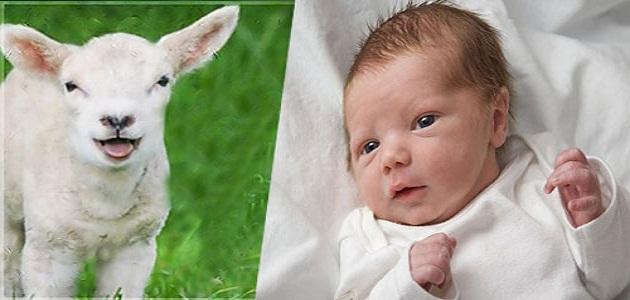

With the arrival of a newborn comes joy—and important religious questions. Among them: who is responsible for Aqeeqah, and how should it be performed?
Can the child’s money be used?
The ruling clearly states that it is not permissible to use the child’s own money for Aqeeqah, as it is considered a voluntary act, and a minor’s wealth cannot be used for such purposes.
Who is responsible?
Aqeeqah is a confirmed Sunnah upon the father or the one financially responsible for the child. Others may perform it only with permission.
Can money replace the sacrifice?
Giving money instead of performing the sacrifice does not fulfill the Sunnah, as the act of slaughter itself is the intended form of worship.
Is buying meat sufficient?
Distributing purchased meat does not count as Aqeeqah, since the ritual specifically requires slaughtering an animal.
When should Aqeeqah be done?
It is recommended on the seventh day after birth, then the fourteenth or twenty-first, with flexibility beyond that.
The deeper meaning
Aqeeqah is more than a ritual—it is gratitude, blessing, and a spiritual welcome for the newborn into life.
For more details and the latest news, follow Masr Connect




