Can Hajj Erase the Sin of Missing Prayers? A Crucial Condition Revealed
Many wonder if Hajj can wipe away the sin of neglecting prayer. The answer reveals a powerful truth tied to sincere repentance and commitment.
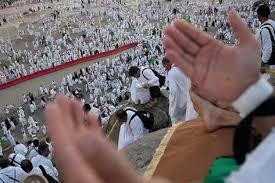

A journey of faith may cleanse the past, but it also writes the future. Hajj is not just forgiveness—it is a promise, a turning point that reshapes the soul.
Hajj and Forgiveness
Dr. Ali Gomaa explained that Hajj holds immense power to erase sins, returning a person pure and renewed. This includes even major sins such as neglecting prayers.
The Essential شرط
However, forgiveness is tied to a key condition: sincere repentance and a firm commitment not to return to the sin.
A pilgrim must embrace a new life, maintaining prayers consistently and honoring their importance.
Warning Against Misunderstanding
He warned against misusing the concept of divine mercy by repeatedly committing sins and relying on Hajj to erase them, describing this as a serious disregard for faith.
A New Beginning
Hajj is meant to transform behavior, not temporarily erase mistakes. It marks the beginning of a disciplined, faithful life.
Conclusion
Hajj is not a temporary cleanse—it is a rebirth. Without change, the journey remains incomplete.
For more details and latest news, follow Masr Connect

Learn about the authentic evening adhkar from the Sunnah, their virtues, recommended repetitions, and how they bring protection, peace, and blessings.

Ruqyah Shar’iyyah is one of the Islamic methods of seeking healing and protection through Quranic verses and prophetic supplications. Learn its correct method, verses, and duas.

Learn the dates of the White Days of Safar, the virtues of fasting them, why they are called the White Days, and the Islamic teachings regarding this recommended Sunnah.

Discover the complete story of Prophet David (Dawood) in Islam, including how he became both a king and a prophet, his miracles, his devotion to worship, and his remarkable life according to the Quran and authentic Sunnah.
