
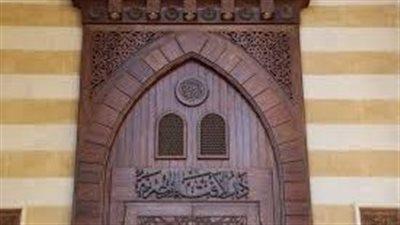

The Egyptian Dar Al-Ifta clarified that it is permissible to prioritize work over I’tikaf if obligations conflict, as earning a living is a necessary duty, while I’tikaf is a recommended act of worship.
The Fatwa office emphasized that Islam balances between acts of worship and life responsibilities, noting that missing I’tikaf due to work does not incur sin. Alternative acts like reading the Quran, making supplications, and engaging in dhikr can compensate.
I’tikaf involves staying in the mosque to dedicate time to prayer and worship, especially during the last ten nights of Ramadan. It is a confirmed Sunnah of the Prophet ﷺ, aiming to disengage from worldly matters and focus on devotion. However, it is not obligatory and can be foregone if work or other responsibilities prevent participation.
Dar Al-Ifta stressed that those with fixed work schedules or essential commitments should not feel compelled to undertake I’tikaf if it causes hardship. The spiritual benefits can be attained by performing worship at any available time or place.
For more details and latest news, follow Misr Connect




