Cave of Hira: Where the First Revelation Descended Upon the Prophet ﷺ and the Beginning of the Divine Message
Learn the story of the Cave of Hira, where Prophet Muhammad ﷺ devoted himself to worship before prophethood, and where the first revelation descended during Ramadan, marking the beginning of the Qur'an.

The Cave of Hira is one of the most significant places in Islamic history. It was where Prophet Muhammad ﷺ would retreat for worship and contemplation before receiving prophethood. Away from the noise of Makkah and the worship of idols, he spent time reflecting and worshipping until this blessed place witnessed the revelation of the first verses of the Qur'an and the beginning of Islam. The Cave of Hira is located on Jabal Al-Nour (Mountain of Light) near Makkah, approximately 4 kilometers (2.5 miles) from the Grand Mosque (Al-Masjid Al-Haram).
The Location and Nature of the Cave of Hira
The Cave of Hira is situated near the summit of Jabal Al-Nour, which rises approximately 634 meters (2,080 feet) above sea level. The cave itself is a small opening within the mountain, just large enough for the Prophet ﷺ to sit in worship and solitude. Its secluded location made it an ideal place for contemplation, away from the widespread idolatry practiced in Makkah before Islam.
The Prophet's Retreat in the Cave of Hira Before Prophethood
Before the revelation began, Prophet Muhammad ﷺ loved solitude and distancing himself from the practices of the pre-Islamic era (Jahiliyyah). He regularly visited the Cave of Hira to worship Allah and reflect upon His creation. He especially spent time there during the month of Ramadan, devoting himself to worship and contemplation while following the pure monotheistic faith of Prophet Ibrahim (Abraham), away from idol worship and false beliefs.
The First Revelation in the Cave of Hira
During the month of Ramadan, when Prophet Muhammad ﷺ was forty years old, Angel Jibril (Gabriel) came to him while he was in the Cave of Hira. This marked the beginning of the revelation of the Qur'an and the start of his prophetic mission. Jibril said to him: "Read." The Prophet ﷺ replied: "I am not one who can read." Then the first verses of the Holy Qur'an were revealed: "Read in the name of your Lord who created—Created man from a clinging clot. Read, and your Lord is the Most Generous." (Surah Al-'Alaq 96:1–3) This moment marked the beginning of the greatest message ever delivered to humanity.
The Prophet's Return to Lady Khadijah (May Allah Be Pleased with Her)
After receiving the first revelation, the Prophet ﷺ returned home overwhelmed by the magnitude of the experience and said: "Cover me, cover me." Lady Khadijah (may Allah be pleased with her) comforted him and reassured him with words that reflected her confidence in his noble character: "By Allah, Allah will never disgrace you. You maintain family ties, help those in need, provide for the poor, honor your guests, and support those afflicted by hardship." She then took him to Waraqah ibn Nawfal, who confirmed that the being who came to him was the same angel who had brought revelation to the prophets before him.
The Importance of the Cave of Hira in Islamic History
The Cave of Hira symbolizes the beginning of one of the greatest turning points in human history. It was there that the revelation of the Holy Qur'an began and the message of Islam was launched to the world through Prophet Muhammad ﷺ. The cave also reflects an important aspect of the Prophet's life before prophethood, as he sincerely searched for the truth and contemplated Allah's creation away from the corruption of pre-Islamic society.
Conclusion
The Cave of Hira remains an everlasting symbol of the beginning of divine revelation and the Islamic message. It witnessed the very first revelation of the Holy Qur'an to Prophet Muhammad ﷺ, from which the light of guidance spread across the world.
Learn how to perform Salat Al-Istikhara step by step, the authentic Istikhara dua, the best times to pray it, and what a Muslim should do after seeking Allah’s guidance.
Discover the best duas for relieving worry, sadness, anxiety, and distress, including powerful prayers for comfort, inner peace, and emotional relief.
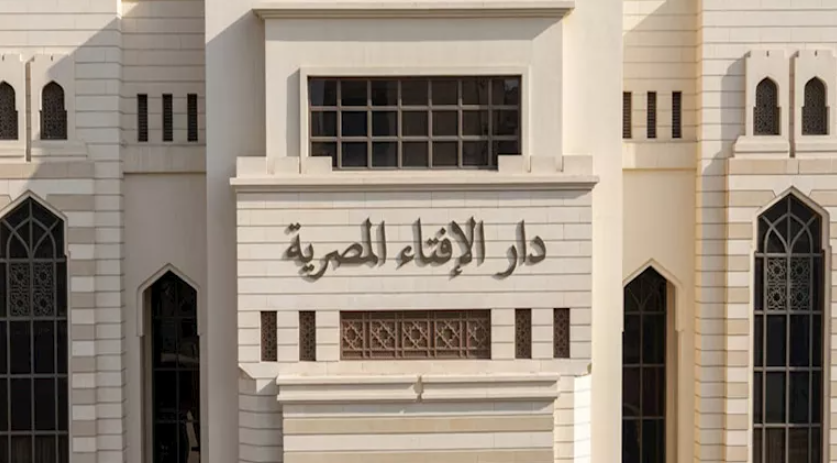
Egypt’s Dar Al-Ifta explained the ruling on saying Basmala when starting Quran recitation from the middle of a Surah, confirming that leaving it is permissible.
Discover the best duas for children from the Qur'an and Sunnah, including beautiful supplications for their protection, guidance, righteousness, and success in life.
