
Title:
Excerpt:
Image Alt:
Evening Adhkar
Meta Title:
Meta Description:
URL Slug:
complete-evening-adhkar
Complete Evening Adhkar
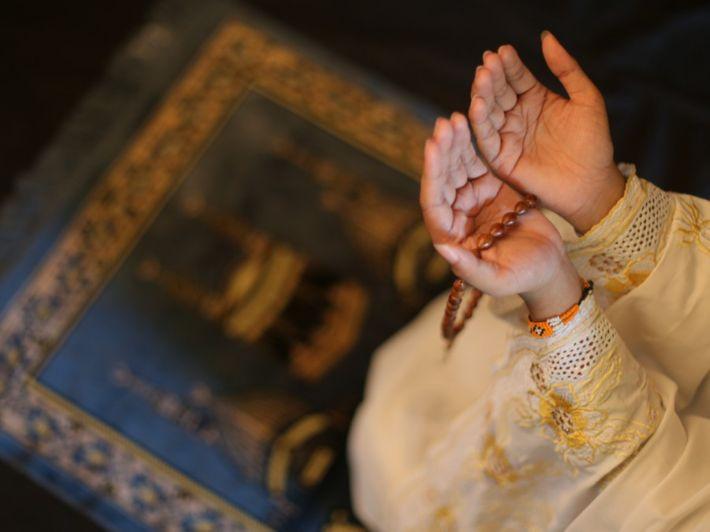
Evening Adhkar are among the acts of worship that Muslims observe at the end of the day. They include remembering Allah, seeking His forgiveness and mercy, and asking Him for protection and well-being.
The Evening Adhkar include several prophetic supplications, along with Ayat al-Kursi, Surah Al-Ikhlas, and the two protective chapters Al-Falaq and An-Nas. Muslims may also increase their prayers upon Prophet Muhammad ﷺ and seek forgiveness.
Evening Adhkar in Full
Among the supplications recited in the evening is:
“We have entered the evening, and the dominion belongs to Allah. Praise belongs to Allah. There is no deity except Allah, alone without partner. To Him belongs the dominion and to Him belongs praise, and He has power over all things. My Lord, I ask You for the good of this night and the good that follows it, and I seek refuge in You from the evil of this night and the evil that follows it. My Lord, I seek refuge in You from laziness and the difficulties of old age. My Lord, I seek refuge in You from punishment in the Fire and punishment in the grave.”
Sayyid al-Istighfar in the Evening
One of the most significant supplications of the Evening Adhkar is Sayyid al-Istighfar, the master supplication for seeking forgiveness:
“O Allah, You are my Lord. There is no deity except You. You created me and I am Your servant. I uphold Your covenant and promise as much as I am able. I seek refuge in You from the evil of what I have done. I acknowledge Your blessings upon me, and I acknowledge my sin, so forgive me, for none forgives sins except You.”
Evening Adhkar for Protection
Among the supplications recited in the evening is:
“In the name of Allah, with whose name nothing on earth or in heaven can cause harm, and He is the All-Hearing, All-Knowing.”
Another supplication is:
“O Allah, by You we enter the evening, by You we enter the morning, by You we live, by You we die, and to You is the resurrection.”
A Muslim may also say:
“O Allah, I seek refuge in You from worry and grief, from weakness and laziness, from cowardice and miserliness, from the burden of debt, and from being overcome by others.”
Evening Supplication for Protection from Evil
Among the prophetic supplications is:
“O Allah, Knower of the unseen and the witnessed, Creator of the heavens and the earth, Lord and Sovereign of everything, I testify that there is no deity except You. I seek refuge in You from the evil of myself, and from the evil of Satan and his association.”
Another supplication is:
“O Ever-Living, O Sustainer, by Your mercy I seek relief. Set right all of my affairs, and do not leave me to myself even for the blink of an eye.”
This supplication may be repeated three times.
Tasbih Among the Evening Adhkar
One of the remembrances recited in the evening is:
“Glory be to Allah and praise be to Him, by the number of His creation, by His pleasure, by the weight of His Throne, and by the extent of His words.”
Another remembrance is:
“I seek refuge in the perfect words of Allah from the evil of what He has created.”
This remembrance is recited three times.
Reciting Al-Ikhlas and the Two Protective Chapters
The Evening Adhkar include reciting Surah Al-Ikhlas, Surah Al-Falaq, and Surah An-Nas three times.
These chapters are recited as part of the morning and evening remembrance and are commonly included among the practices of seeking protection.
Ayat al-Kursi in the Evening Adhkar
Ayat al-Kursi is also recited as part of the Evening Adhkar. It begins:
“Allah—there is no deity except Him, the Ever-Living, the Sustainer of all. Neither drowsiness nor sleep overtakes Him. To Him belongs whatever is in the heavens and whatever is on the earth...”
The verse continues through the end of Ayat al-Kursi in Surah Al-Baqarah.
Sending Blessings Upon the Prophet
A Muslim may also increase sending blessings and peace upon Prophet Muhammad ﷺ during the evening, such as:
“O Allah, send Your blessings, peace, and grace upon our Prophet Muhammad.”
Sending blessings upon the Prophet can be combined with remembrance, seeking forgiveness, and supplication.
Short Evening Adhkar
Those who want to maintain a regular routine of Evening Adhkar can include the following:
-
The supplication beginning with “We have entered the evening, and the dominion belongs to Allah.”
-
Sayyid al-Istighfar.
-
“In the name of Allah, with whose name nothing can cause harm.”
-
“O Allah, by You we enter the evening and by You we enter the morning.”
-
“O Ever-Living, O Sustainer, by Your mercy I seek relief.”
-
Ayat al-Kursi.
-
Surah Al-Ikhlas, Al-Falaq, and An-Nas three times.
-
“I seek refuge in the perfect words of Allah from the evil of what He has created” three times.
-
Sending blessings upon Prophet Muhammad ﷺ.
When Should Evening Adhkar Be Recited?
Evening Adhkar are recited during the evening. Scholars have expressed different views regarding the precise beginning of the evening, so Muslims generally seek to maintain these remembrances during their appropriate time rather than abandoning them.
What are the most important Evening Adhkar?
They include Sayyid al-Istighfar, Ayat al-Kursi, Surah Al-Ikhlas, Al-Falaq, An-Nas, and the prophetic evening supplications.
How many times should Al-Ikhlas, Al-Falaq, and An-Nas be recited?
They are recited three times as part of the morning and evening Adhkar.
What is a supplication for protection in the evening?
One is: “I seek refuge in the perfect words of Allah from the evil of what He has created.” It is recited three times.
Is Ayat al-Kursi part of the Evening Adhkar?
Yes, Muslims commonly include Ayat al-Kursi among their evening remembrances.
When do Evening Adhkar begin?
They are recited during the evening, with scholars holding different views regarding the precise beginning of its time.