
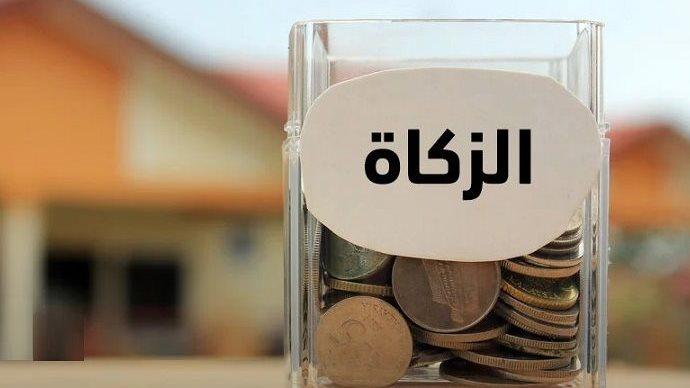

Dar Al-Ifta confirmed that zakat cannot be given to those financially dependent on the payer, even if they are poor, such as parents or dependent children. This ruling is based on the Quranic verse: ﴿Charity is only for the poor and needy…﴾ [At-Tawba: 60]. Zakat should be directed to poor and needy individuals whose living expenses are not the responsibility of the payer.
Scholars of the four main Islamic schools agreed that giving zakat to dependents is not permissible, even if they are in need, because their support is obligatory from the payer’s personal funds, not through zakat.
Zakat on Credit Card Funds
Regarding credit card balances, Dar Al-Ifta clarified the following:
-
Unused or purchase-only balance: No zakat is due, and the amount is not counted towards the total assets for zakat, as full ownership is not achieved and the funds remain with the bank.
-
Cash withdrawn from credit card: Zakat is also not required, because the withdrawn amount is partially owed to the bank, and ownership is not complete. Therefore, it is treated as non-existent for zakat purposes.
Dar Al-Ifta noted that these rulings align with the majority opinion of Hanafi, Maliki, and Hanbali scholars concerning zakat on partially owned or debt-bound funds, ensuring proper application of Islamic law.
Practical Advice for Zakat Payers
-
Distinguish between fully owned funds and funds not fully under your control.
-
Fully owned cash or liquid assets should have 2.5% zakat calculated annually when the Islamic year (Hawl) is completed.
-
Keep track of obligations on credit cards to avoid calculating zakat on funds not fully owned.




