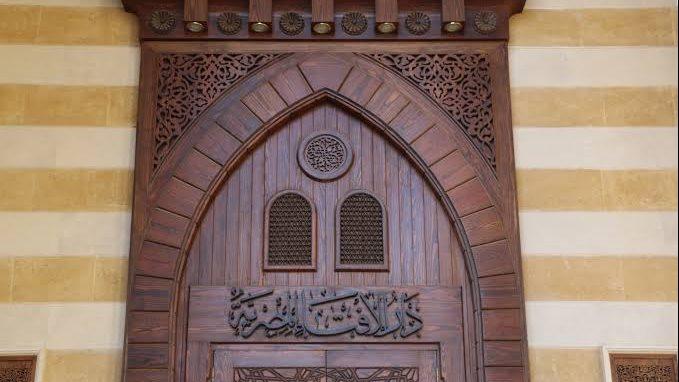

Egypt’s Dar Al-Ifta explained that the ruling on using artificial intelligence to calculate zakat depends on the role AI performs in the process.
AI may be used when its role is limited to processing financial information and performing calculations after the relevant Islamic rulings have been established by qualified scholars.
The financial data must also be entered correctly, and the results should be checked to ensure that the calculation is accurate.
When Is AI Allowed for Zakat Calculations?
Using AI as a calculation and data-processing tool is permissible when it helps organize financial information and perform mathematical operations.
In this situation, AI functions as an assisting tool rather than an independent authority on Islamic rulings.
Can AI Be Used as an Independent Source of Zakat Fatwas?
Dar Al-Ifta emphasized that AI should not be treated as an independent source for determining Islamic rulings related to zakat without consulting qualified scholars and verifying the information it provides.
Artificial intelligence can produce useful calculations, but it is not independently qualified to issue religious rulings.
What Is the Ruling on Using AI to Diagnose Diseases?
Dar Al-Ifta also addressed the use of artificial intelligence in the medical field, particularly when AI systems are used to make definitive diagnoses or determine treatment without appropriate medical supervision.
The guidance emphasizes that relying on AI alone to definitively diagnose a disease without an actual medical examination, or using it to determine medications and treatment protocols without the direct involvement and supervision of a qualified physician, is not permissible.
Why Should AI Not Replace a Qualified Doctor?
Medical diagnosis and treatment involve decisions that can directly affect a person’s health and life.
Relying entirely on an automated system may result in an incorrect assessment, potentially causing harm. For this reason, medical decisions should remain under the supervision of qualified healthcare professionals.
Can AI Still Be Used as a Medical Tool?
AI can be used as an assisting technology within an appropriate medical framework. However, its use does not eliminate the need for professional medical assessment, examination, and supervision when making decisions about diagnosis or treatment.
Dar Al-Ifta Explains the Limits of AI Use
The guidance shows that artificial intelligence does not have a single ruling that applies to every situation. Instead, the ruling depends on how the technology is used and whether it is functioning as an assisting tool or being treated as an independent authority.
For zakat, AI may assist with calculations when the relevant religious rules are established correctly and the data and results are verified.
In medicine, AI should not independently replace qualified physicians in definitive diagnosis or treatment decisions because errors may have serious consequences for human health.
Conclusion
Egypt’s Dar Al-Ifta explained that artificial intelligence can be used as a supporting tool when appropriate safeguards are followed.
For zakat calculations, AI may assist with financial processing and mathematical calculations after the relevant religious rules are established by qualified scholars. However, it should not independently determine Islamic rulings.
In medicine, AI should not be relied upon alone for definitive diagnosis or treatment decisions without appropriate examination and qualified medical supervision.
Can AI be used to calculate zakat?
Yes. It can be used for data processing and mathematical calculations when the applicable Islamic rulings are correctly established and the results are verified.
Can Muslims rely on AI for zakat fatwas?
AI should not be treated as an independent authority for religious rulings. Qualified scholars should be consulted and the information should be verified.
What is the ruling on using AI to diagnose diseases?
AI should not be relied upon alone to make a definitive diagnosis or determine treatment without proper medical examination and qualified physician supervision.
Can AI assist doctors?
Yes. AI can serve as a supporting medical technology, but it should not replace qualified physicians in important diagnostic and treatment decisions.
Why is expert supervision important?
Religious rulings require qualified Islamic scholarship, while medical diagnosis and treatment require qualified medical expertise, particularly when decisions may affect a person’s health or religious obligations.