
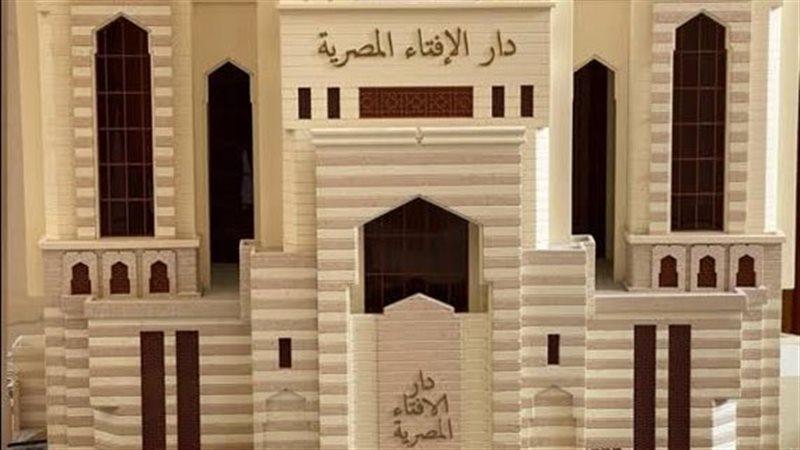

Egypt’s Dar Al-Iftaa issued an emphatic statement regarding the practice known as “Al-Beshaa,” in which an accused person is forced to lick a heated copper plate to determine guilt or innocence. The institution clarified that this method has no origin in Islamic teachings and cannot be relied upon in any way to establish or negate accusations.
The statement affirmed that “Al-Beshaa” is religiously forbidden due to its reliance on physical harm, torture, and humiliation, as well as its dependence on baseless assumptions with no connection to Islamic evidentiary standards. Dar Al-Iftaa emphasized that Islamic law has established clear and just mechanisms based on credible evidence, recalling the Prophet’s saying: “The burden of proof is upon the claimant, and the oath is upon the one who denies,” ensuring justice without harm or degradation.
The institution further highlighted that the objectives of Islamic law center on protecting human life and preserving dignity. Islam rejects all forms of torture, abuse, or humiliation, regardless of cultural or inherited customs that contradict reason and religion. “Al-Beshaa,” it stressed, is a direct violation of these principles, inflicting physical and psychological harm without any legitimate legal or religious basis.
Dar Al-Iftaa underscored the importance of raising public awareness about the dangers of such harmful traditions, noting that protecting human beings is both a religious duty and a social responsibility that strengthens values of mercy and justice. It also enhances trust in lawful judicial processes and state institutions.
The statement concluded with a call to uphold human dignity and adhere to legitimate avenues for justice, reaffirming that the mercy and fairness of Islam extend far beyond misguided customs rooted in harm rather than truth.




