Dar Al-Ifta Fatwas: Dua After Tashahhud and Sending Prayers on the Prophet
Explore the latest key Islamic rulings from Egypt’s Dar Al-Ifta on dua after Tashahhud, sending prayers upon the Prophet, seeking forgiveness, congregational prayer, and praying for others

Egypt’s Dar Al-Ifta has addressed several questions related to daily acts of worship, including making dua after the final Tashahhud, the best forms of remembrance for relieving distress, delaying prayer to join the congregation, the recommended frequency of sending prayers upon Prophet Muhammad ﷺ, and the claim that the prayers of forty strangers are guaranteed to be answered.
Is Dua After the Final Tashahhud Recommended?
Egypt’s Dar Al-Ifta explained that making dua after the final Tashahhud is a Sunnah of the Prophet Muhammad ﷺ.
The institution noted that the Companions would sometimes make supplications during prayer that had not specifically been taught to them by the Prophet, and he did not object to such supplications.
What Did the Prophet Say After the Final Tashahhud?
Among the well-known supplications reported from the Prophet ﷺ is:
O Allah, I seek refuge in You from the punishment of Hell, the punishment of the grave, the trials of life and death, and the evil trial of the Antichrist.
Another supplication reported from the Prophet ﷺ is:
O Allah, I have greatly wronged myself, and no one forgives sins except You. So forgive me with forgiveness from You and have mercy upon me. Indeed, You are the Most Forgiving, Most Merciful.
Which Is Better for Relieving Distress: Seeking Forgiveness or Sending Prayers Upon the Prophet?
Dar Al-Ifta explained that both seeking forgiveness and sending prayers upon the Prophet ﷺ are forms of virtuous remembrance, and Muslims should not completely abandon either one.
Sending prayers upon the Prophet is associated with relief from worries, while seeking forgiveness is connected with repentance and forgiveness of sins.
Among the supplications that may be recited during distress is:
O Allah, Your mercy is what I hope for. Do not leave me to myself even for the blink of an eye, and set right all of my affairs. There is no god but You.
A Muslim may also frequently say:
There is no power and no strength except through Allah.
Is It Permissible to Delay Prayer to Join the Congregation?
Dar Al-Ifta stated that waiting for the congregation, particularly when doing so allows more people to join, can be preferable to praying alone at the very beginning of the prayer time.
At the same time, worshippers should follow the arrangements and timings established by the relevant authorities for prayers in mosques, helping preserve the sanctity of worship and avoid disputes.
How Many Times Should Muslims Send Prayers Upon the Prophet ﷺ?
There is no fixed daily number for sending prayers upon Prophet Muhammad ﷺ. Muslims are encouraged to do so as much as they can.
The Prophetic tradition includes the story of Ubayy ibn Ka'b, who asked the Prophet ﷺ how much of his supplication should be devoted to sending prayers upon him. The Prophet encouraged him to increase it and explained its virtue in relieving worries and bringing forgiveness.
What Is the Best Formula for Sending Prayers Upon the Prophet?
One of the most established formulas is Salat Ibrahimiyyah, which the Prophet ﷺ taught his Companions.
It begins with:
O Allah, send blessings upon Muhammad and upon the family of Muhammad, as You sent blessings upon Abraham and the family of Abraham. Indeed, You are Praiseworthy and Glorious.
Are the Prayers of Forty Strangers Guaranteed to Be Answered?
Dar Al-Ifta clarified that there is no established Islamic ruling specifying forty strangers as a condition for an answered prayer.
Praying for another person in their absence is encouraged and is considered especially sincere because the person making the supplication is not seeking recognition from the person being prayed for.
The Prophet ﷺ said that when a Muslim prays for his brother in his absence, an angel says: “And for you the same.”
The Virtue of Praying for Others
Muslims are encouraged to pray for themselves, their families and others. However, there is no specific number of people that guarantees an answer to a supplication.
A believer should also avoid factors that may prevent supplications from being answered, such as consuming unlawful earnings, committing injustice, becoming impatient for an answer, or asking for sin or the severing of family ties.
Among the times traditionally associated with greater hope of acceptance are the last third of the night, prostration, the time when a fasting person breaks the fast, and Friday.
Conclusion
These rulings highlight the importance of maintaining remembrance of Allah, making dua, seeking forgiveness and sending prayers upon Prophet Muhammad ﷺ while relying on established Islamic teachings rather than claims based on unspecified numbers or conditions.
Is dua after the final Tashahhud Sunnah?
Yes. Making dua after the final Tashahhud and before ending the prayer is among the established Sunnahs.
What is a recommended dua after Tashahhud?
One established supplication begins: “O Allah, I seek refuge in You from the punishment of Hell and the punishment of the grave.”
Is there a fixed number for sending prayers upon the Prophet?
No. There is no fixed daily limit, and Muslims are encouraged to increase their prayers upon the Prophet ﷺ.
Are the prayers of forty strangers guaranteed to be answered?
No specific Islamic evidence establishes forty strangers as a condition for an answered prayer.
Can prayer be delayed to join the congregation?
Waiting for the congregation may be preferable to praying alone at the beginning of the prayer time, while following the regulations governing mosque prayer times.

Learn how to seek protection when leaving home through authentic Islamic supplications and remembrance, including the prophetic dua for guidance, reliance upon Allah, and protection.
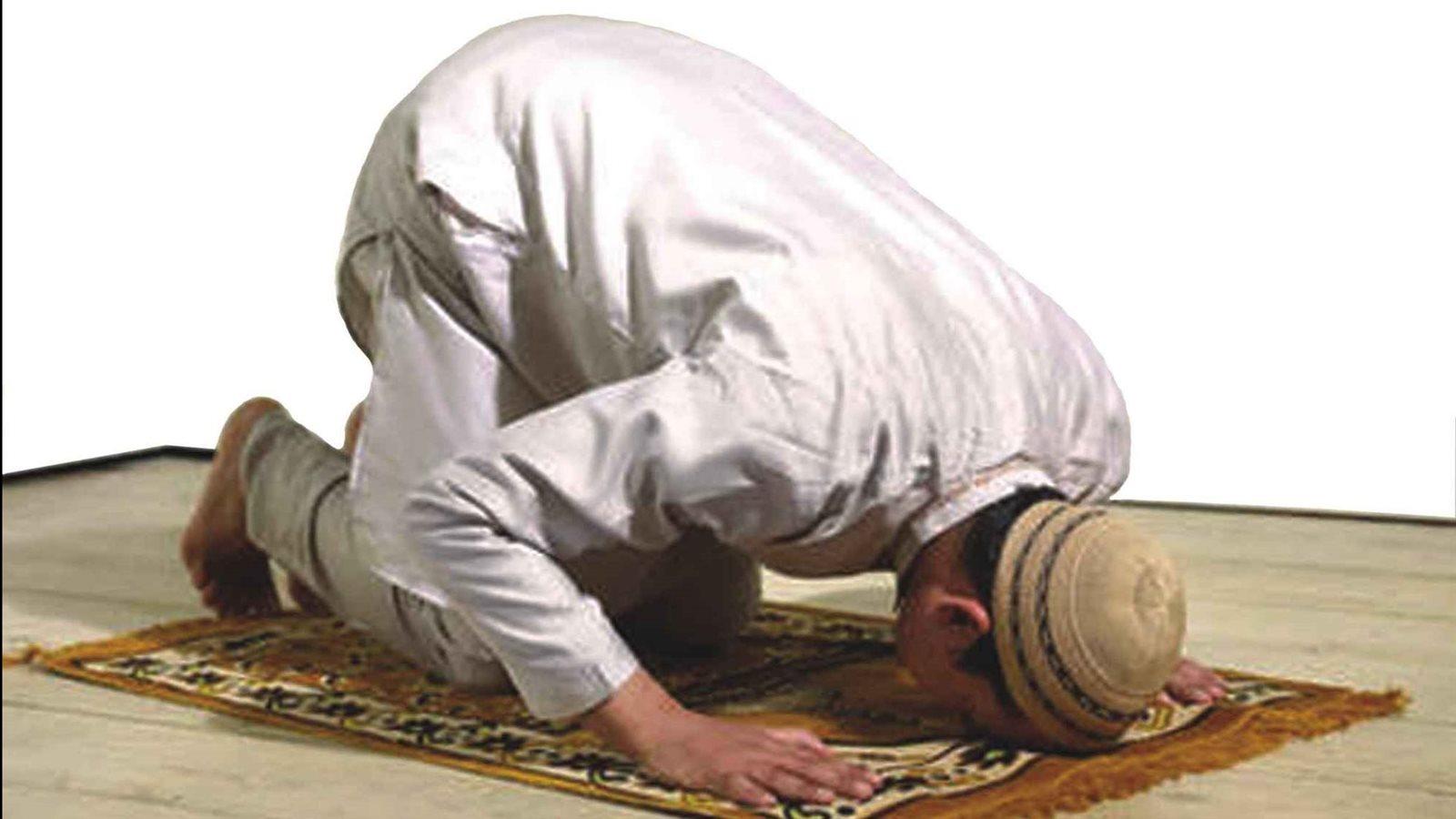
The best way to deal with waswas during prayer is to seek refuge in Allah, ignore recurring doubts, avoid repeatedly restarting prayer or ablution, and focus on remembrance and tranquility.
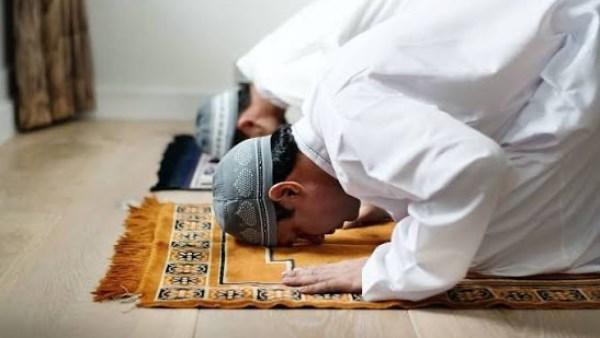
Egypt’s Dar Al-Ifta explains when praying behind the imam from a hotel via television is valid and how the connection of prayer rows affects the ruling
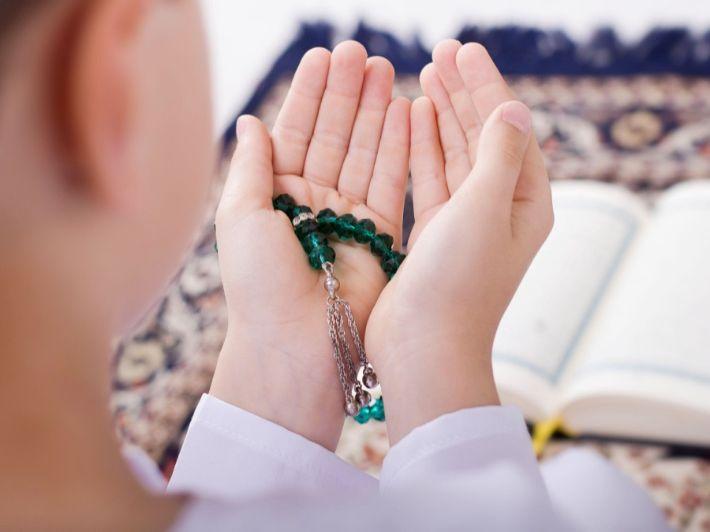
Learn what Muslims are recommended to recite after every obligatory prayer, including Ayat Al-Kursi, the three Mu’awwidhat, istighfar, tasbih, and other Sunnah supplications
