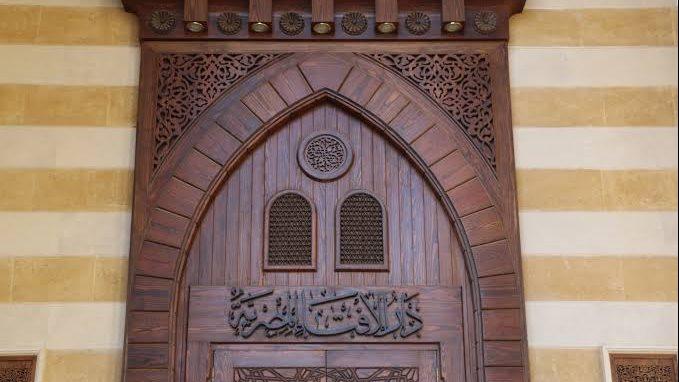

Egypt’s Dar Al-Ifta emphasized the importance of honesty, explaining that it is one of the virtues encouraged by Islam and one of the qualities associated with the prophets.
It also highlighted the important status of the family and its essential role in building society, describing it as the basic unit upon which social strength and cohesion are established.
The statements addressed the importance of honesty in Islam as well as the role of a strong and cohesive family structure in supporting society.
Honesty Is One of the Qualities of the Prophets
Dar Al-Ifta explained that honesty means that a person’s words correspond to reality and truth, making it the opposite of lying.
It also noted that the term describing a person as exceptionally truthful is associated with those who consistently demonstrate honesty.
The institution cited Allah’s description of Prophet Ibrahim:
“Indeed, he was a man of truth and a prophet.”
[Quran, Maryam: 41]
It also highlighted Allah’s command:
“O you who have believed, fear Allah and be with those who are truthful.”
[Quran, At-Tawbah: 119]
These verses demonstrate the important place of honesty in Islamic ethics and the value of maintaining truthfulness in words, actions, and relationships.
What Does Honesty Mean in Islam?
Honesty means that a person’s speech corresponds to reality and that they avoid lying, deception, and misrepresentation when communicating with others.
Honesty is not limited to spoken words. It can also be reflected in keeping promises, respecting rights, and dealing with others transparently.
For this reason, honesty contributes to establishing trust among family members and within society.
Dar Al-Ifta: The Family Is the Basic Unit of Society
Dar Al-Ifta also emphasized the significant status of the family in Islam, describing it as the basic unit of society.
It cited the Quranic verse:
“O mankind, fear your Lord, who created you from one soul and created from it its mate and dispersed from both of them many men and women. And fear Allah, through whom you ask one another, and the wombs. Indeed, Allah is ever, over you, an Observer.”
[Quran, An-Nisa: 1]
The verse highlights the importance of family relationships and maintaining ties of kinship, along with the responsibilities associated with them.
A Strong Society Begins With the Family
Dar Al-Ifta explained that the strength and cohesion of society are connected to the stability and strength of the family structure.
The family is the first environment in which a person learns values and moral principles such as honesty, cooperation, compassion, and responsibility.
When the family structure is stable and strong, its effects can extend to society through individuals who are better prepared to fulfill their responsibilities and maintain healthy social relationships.
Honesty and Family Values in Building Society
Honesty and family stability are both connected to the development of relationships based on trust and responsibility.
Honesty strengthens trust within families and communities, while the family provides the first environment in which children can learn and practice these values.
Teaching children the importance of truthfulness and strengthening family relationships can therefore contribute to greater social cohesion and stronger human connections.
What did Dar Al-Ifta say about honesty?
Dar Al-Ifta emphasized that honesty is an Islamic virtue and one of the qualities associated with the prophets.
What does honesty mean?
Honesty means that a person’s words correspond to reality and truth, making it the opposite of lying.
What did Dar Al-Ifta say about the family?
It emphasized that the family is the basic unit of society and that social strength and cohesion are connected to a strong family structure.
Why is honesty important within the family?
Honesty helps build trust among family members and supports relationships based on clarity and responsibility.
Why is the family considered the foundation of society?
The family is the first environment where people learn values, moral principles, social relationships, and responsibility.