Dar Al-Ifta: The Prophet’s Hijrah was a defining moment in the establishment of the nation and embodies the values of citizenship and coexistence.
Dar Al-Ifta of Egypt stated that the Prophetic Hijra marks a turning point in Islamic history, establishing citizenship, coexistence, and a just society based on equality

The Prophetic Hijra as a Turning Point in Islamic History
Dar Al-Ifta of Egypt affirmed that the noble Prophetic Hijra represents a pivotal historical event in Islam, marking the transition from weakness to empowerment and enabling the expansion of the Islamic message into a broader and more open society built on values and principles.
Founding the Ummah and Building the Social System
Dar Al-Ifta explained that the Hijra was the true beginning of establishing the structure of the Islamic Ummah, laying down the legislative framework that regulated human, social, and international relations, while reinforcing the principles of coexistence and pluralism.
The Constitution of Medina and the Concept of Citizenship
The institution highlighted that the Prophet Muhammad (peace be upon him) established the “Constitution of Medina,” which introduced the concept of citizenship based on equality in rights and duties for all members of society without discrimination. The document established a social contract built on mutual support, solidarity, freedom of belief, and peaceful coexistence, forming the foundation of a cohesive civil society.
Values of Coexistence and Building a Civil Society
Dar Al-Ifta noted that the Prophet restructured the society of Medina in a way that eliminated division and fragmentation, promoting unity, cooperation, and understanding as core pillars of the new community after the Hijra.
Lessons from the Hijra in Daily Life
The institution emphasized that the Hijra carries profound lessons applicable to daily life, including abandoning anything that corrupts life, adhering to good morals, maintaining righteous conduct, and working with integrity in all aspects of life.
Love of Homeland (Homeland) in Islam
Dar Al-Ifta stressed that the Hijra underscores the importance of loving and preserving one’s homeland, prioritizing public interest, and maintaining loyalty and care for society, citing the Prophet’s deep love for Mecca as an expression of belonging and devotion.
Conclusion
The Prophetic Hijra remains a timeless milestone in Islamic history—not merely a physical journey, but a comprehensive civilizational transformation that established justice, equality, and human coexistence.
Frequently Asked Questions
Why is the Prophetic Hijra important in Islam?
It marks a key turning point that led to the establishment of the Islamic state and society.
What is the Constitution of Medina?
It is a foundational document that established citizenship, equality, freedom of belief, and peaceful coexistence.
What are the main lessons from the Hijra?
Commitment to ethics, good deeds, love of homeland, and peaceful coexistence with others.
Is the Hijra only a physical migration?
No, it is a comprehensive moral and civilizational transformation in building the Muslim community.
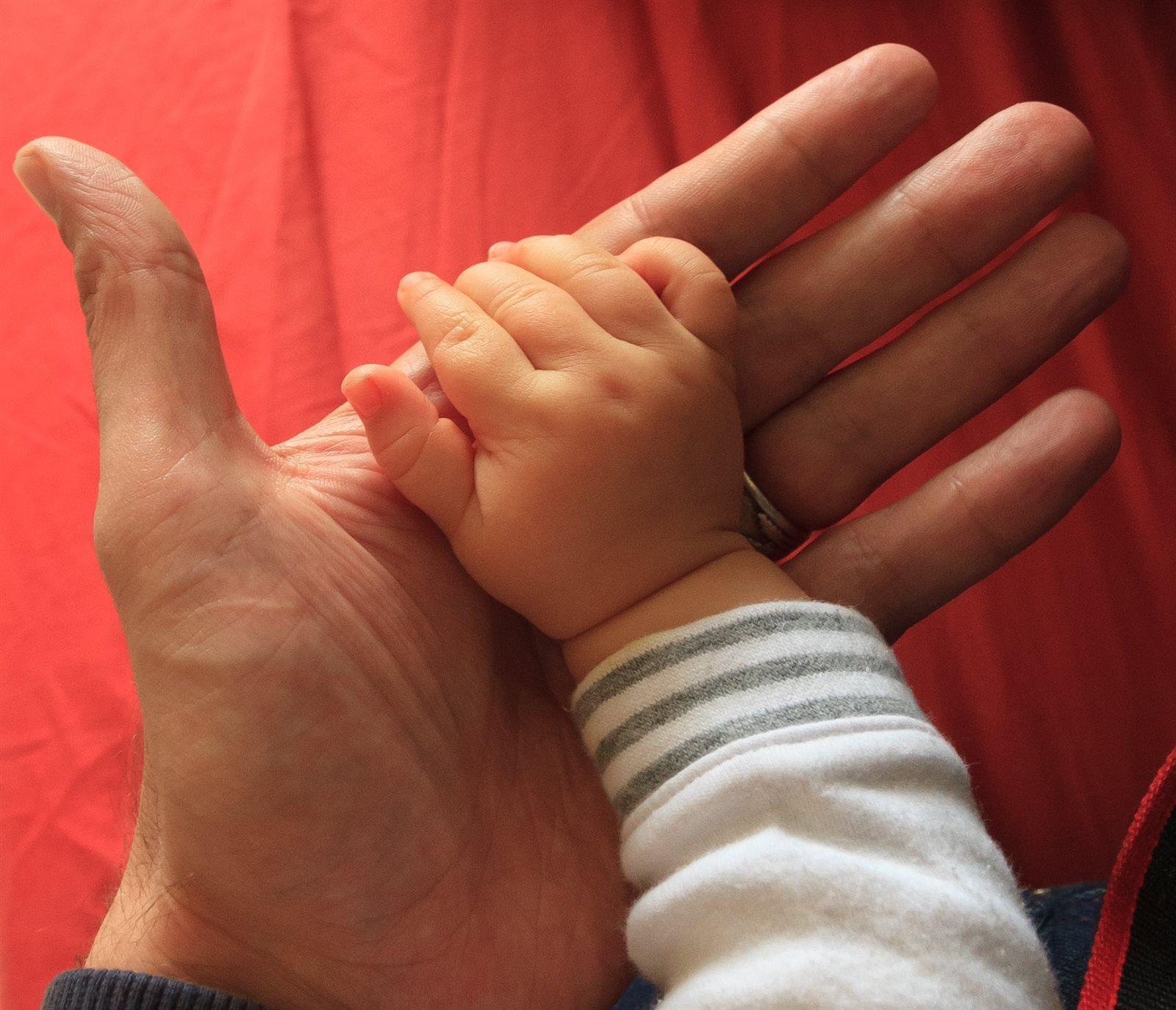
Parents can seek protection for their children through trust in Allah, authentic prophetic supplications, daily remembrance, Quran recitation, and teaching children appropriate duas.
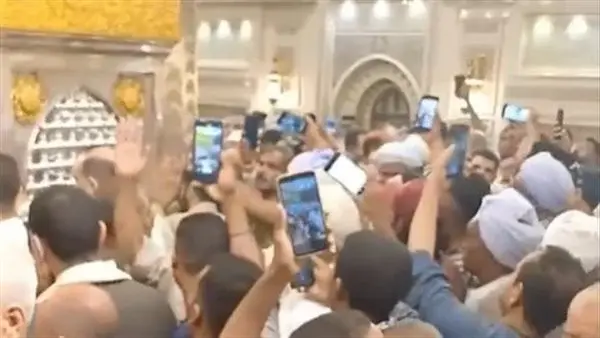
On the occasion of the Prophet’s Birthday, questions arise about visiting Prophet Muhammad’s noble tomb and Rawdah, as well as the shrines of Ahl al-Bayt, scholars, and righteous people.
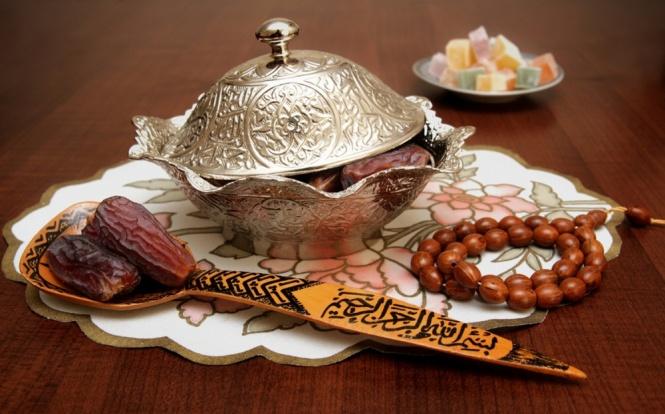
Egypt’s Dar al-Ifta explains the ruling on fasting on the Prophet’s Birthday, whether it must fall on Monday or Thursday, and the basis for fasting as an expression of gratitude to Allah.
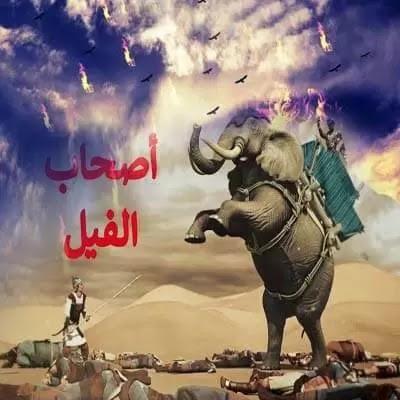
The Year of the Elephant was one of the greatest events preceding the birth of Prophet Muhammad ﷺ. Allah protected the Kaaba from Abraha’s army, making it a powerful sign of divine protection and a prelude to the final Prophet’s birth.
