Ruling on Horse and Camel Races: Dar Al-Ifta Explains the Rules
Egypt’s Dar Al-Ifta explains the Islamic ruling on horse, mule, donkey, and camel races, including the conditions that make competitions permissible and the prohibition of gambling.
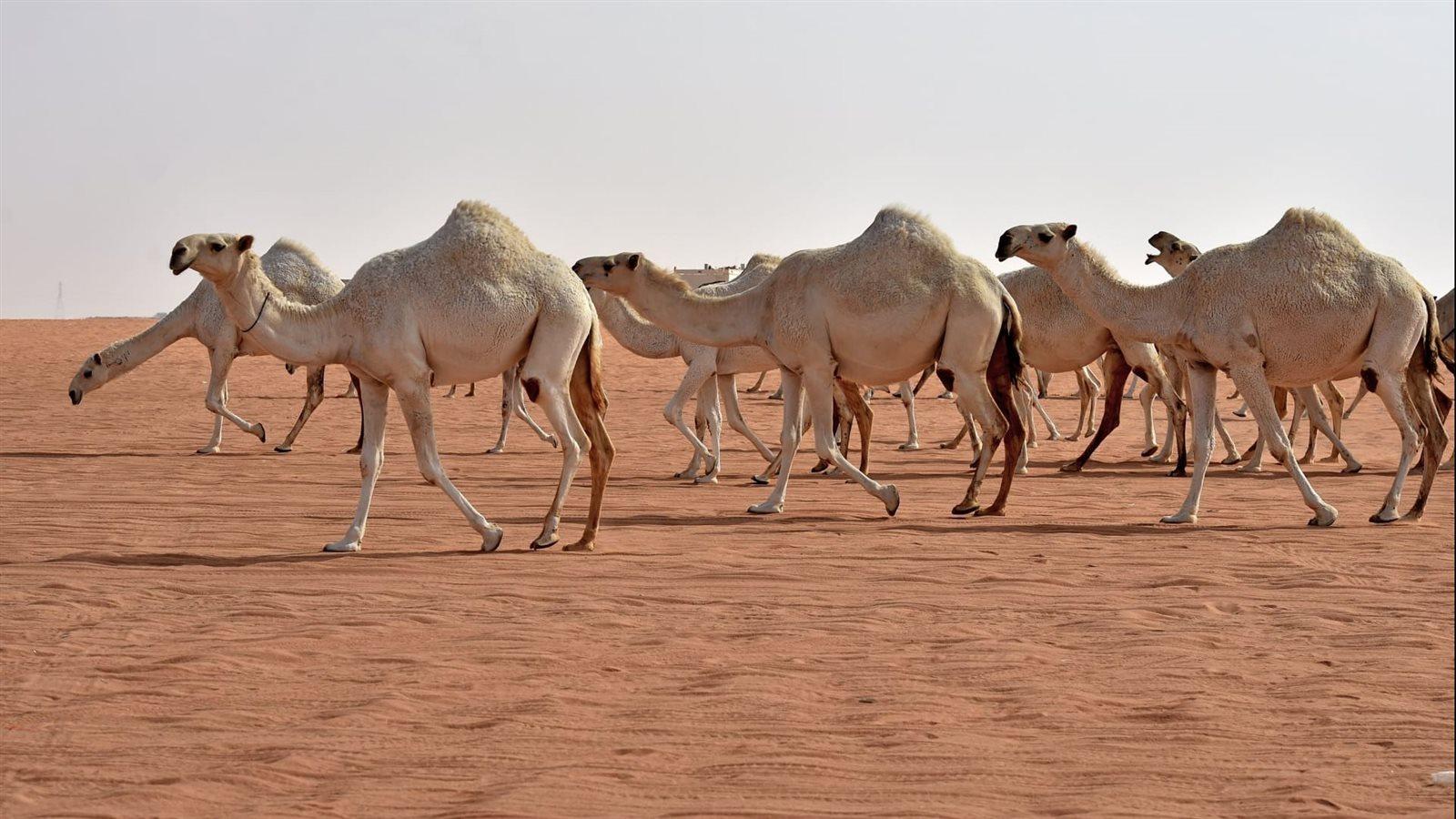

Egypt’s Dar Al-Ifta has explained that organizing competitions involving horses, mules, donkeys, and camels is permissible in Islamic law when the competitions serve a legitimate purpose and benefit society, provided they are free from gambling, prohibited betting, deception, excessive uncertainty, and ambiguity.
The institution also referred to the Prophetic tradition showing that racing was practiced during the lifetime of Prophet Muhammad, peace and blessings be upon him.
What Is the Islamic Ruling on Horse, Mule, Donkey, and Camel Races?
Dar Al-Ifta states that animal racing is permissible in principle when it has a legitimate purpose and provides a recognized benefit, provided that no prohibited element is involved.
The competition must not become a form of gambling or prohibited betting, and its rules and rewards must be clear to all participants.
What Conditions Make a Competition Permissible?
A permissible competition should have a lawful objective, provide a legitimate benefit, and avoid gambling, fraud, deception, prohibited betting, excessive uncertainty, and significant ambiguity.
The terms of participation and the nature of the prizes should also be clearly understood.
Are Horse Races Permitted in Islam?
Yes. The permissibility of horse racing is supported by established reports from the Sunnah.
Dar Al-Ifta cited the narration from Abdullah ibn Umar, may Allah be pleased with him, that the Messenger of Allah, peace and blessings be upon him, raced horses that had been specially trained, and also raced horses that had not been trained in the same way.
What Evidence Supports Horse Racing?
The narration reported in the authentic collections demonstrates that the Prophet ﷺ participated in and organized horse races.
This establishes that racing itself is not prohibited. The legal ruling depends on its purpose, structure, and whether prohibited financial elements are introduced.
Is It Permissible to Offer Money in Horse Races?
The majority of Islamic jurists stated that horse racing with a prize is permissible within the established legal conditions.
They cited the hadith of Abu Hurairah, may Allah be pleased with him:
“There is no prize except in a hoof, an arrowhead, or a camel’s foot.”
The hadith is among the evidence used by jurists when discussing competitions involving horses and other specified forms of competition.
What Does a Prize Mean in a Competition?
A prize refers to the money or reward awarded to the winner.
The prize must be structured in a way that does not transform the competition into gambling or prohibited betting.
What Is the Ruling on Gambling in Competitions?
Dar Al-Ifta emphasizes that competitions involving gambling, prohibited betting, or games of chance for money are not permissible.
A lawful competition is based on legitimate skill and competition, whereas gambling involves financial risk structured so that one party gains at the expense of another through an impermissible arrangement.
Why Is Gambling Prohibited in Competitions?
Gambling is prohibited because it involves consuming wealth wrongfully and can lead to disputes, hostility, and financial harm.
For this reason, competitions must be designed so that their financial arrangements do not amount to gambling.
What Is the “Muhallil” in Horse Racing?
Classical jurists discussed the role of a muhallil, or qualifying third competitor, in certain forms of prize-based races where the participants themselves contribute money.
The purpose is to avoid creating a structure in which two competitors simply risk their money against one another in a way that resembles gambling.
What Evidence Supports the Requirement of a Muhallil?
Jurists cited the narration of Abu Hurairah, may Allah be pleased with him:
“Whoever enters a horse between two horses while not being sure that it will be beaten, there is no harm in it; but if he is sure, then it is gambling.”
This narration is among the evidence discussed by scholars when establishing conditions for prize-based competitions.
What Is the General Ruling on Competitions?
The basic principle is that competitions are permissible when they have a beneficial and legitimate purpose and are free from prohibited practices.
Dar Al-Ifta cited a narration from Aisha, may Allah be pleased with her, describing how she raced the Prophet ﷺ and defeated him once, before he later defeated her, saying:
“This makes up for that one.”
This demonstrates the permissibility of friendly competition when it remains within lawful boundaries.
What Conditions Make Competitions Permissible in Islam?
The conditions highlighted by Dar Al-Ifta include the following.
The Competition Should Have a Legitimate Purpose
A competition should serve a lawful purpose or recognized benefit rather than merely encouraging waste, financial harm, or prohibited behavior.
It Must Be Free From Gambling and Prohibited Betting
Participants should not risk money in a structure where one person’s gain is simply another participant’s financial loss through an impermissible gambling arrangement.
It Must Be Free From Deception and Excessive Uncertainty
The rules and conditions must be clear to the participants. Fraud, deception, and significant ambiguity that could lead to disputes should be avoided.
Why Are Horse Races Permissible in Islam?
Horse racing is permissible because it is established in the Sunnah, and historically it was associated with useful skills such as training, riding, and preparedness.
However, permissibility does not mean that every financial structure surrounding a race is automatically permissible. The race itself must remain free from prohibited gambling and betting arrangements.
Do the Same Rules Apply to Camel Racing?
Dar Al-Ifta explained that the basic permissibility of competitions can include camel racing and other animal competitions when the required Islamic conditions are fulfilled.
The structure of participation, prizes, and financial contributions must not turn the competition into gambling, deception, or excessive uncertainty.
Conclusion: When Are Animal Competitions Permissible?
A competition is Islamically permissible when it has a legitimate purpose, provides a recognized benefit, and remains free from gambling, prohibited betting, deception, excessive uncertainty, and ambiguity.
Dar Al-Ifta therefore considers competitions involving horses, mules, donkeys, and camels permissible in principle when these conditions are satisfied, relying on the Prophetic tradition concerning horse racing and the general permissibility of lawful competitions.
What is the Islamic ruling on horse racing?
Horse racing is permissible under Islamic law when the relevant conditions are met and gambling and prohibited betting are avoided.
Is camel racing permissible in Islam?
Yes. Camel racing is permissible when it has a legitimate purpose and is free from gambling, deception, excessive uncertainty, and prohibited betting.
Can prizes be offered in horse races?
Yes, prizes may be permissible in the forms recognized by Islamic jurisprudence, provided the competition does not become gambling.
What is a muhallil in a race?
A muhallil is a third competitor discussed by classical jurists in certain prize-based race structures to prevent the arrangement from becoming a form of gambling.
When are competitions prohibited?
Competitions become prohibited when they involve gambling, prohibited betting, deception, excessive uncertainty, or significant ambiguity.

Learn the dua for protection when leaving the house, the supplications for relying on Allah, seeking protection from harm, and the authentic remembrance recited before going out.
Egypt’s Grand Mufti Dr. Nazir Ayyad explains that having children in Islam is not about numbers alone, but about preserving lineage, raising children properly, and building society.

Was the Quran compiled during the lifetime of Prophet Muhammad ﷺ or under Caliph Uthman? Learn the three stages of Quran preservation, collection, and standardization.
Egypt’s Dar Al-Ifta explains whether a man may give Zakat to his divorced wife for necessary medical treatment, distinguishing between revocable and irrevocable divorce.
