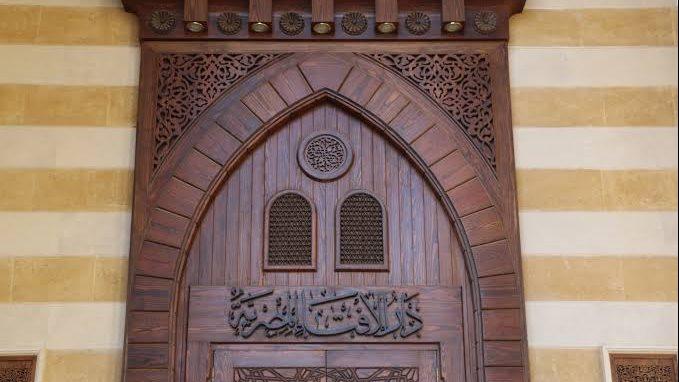

Egypt’s Dar Al-Ifta warned against tracking people’s private faults and searching for their mistakes and shortcomings through social media platforms.
The institution emphasized that this behavior is religiously prohibited and contradicts the Islamic values of protecting people’s dignity, privacy, and reputation.
What Is the Ruling on Tracking People’s Mistakes?
Dar Al-Ifta explained that Muslims should avoid becoming preoccupied with the faults and mistakes of others or deliberately searching for things they try to keep private.
The ruling does not change when such behavior takes place through social media. Modern technology does not make it permissible to expose private matters or deliberately search for people’s hidden shortcomings.
The Virtue of Concealing a Muslim’s Faults
Dar Al-Ifta cited a hadith narrated by Abu Hurairah, may Allah be pleased with him, in which the Prophet Muhammad, peace and blessings be upon him, said:
“Whoever conceals a Muslim, Allah will conceal him in this world and the Hereafter, and Allah continues to help the servant as long as the servant helps his brother.”
The hadith highlights the virtue of protecting others from exposure and avoiding the deliberate disclosure of matters they wish to conceal.
Social Media and Respect for Privacy
Social media has made it easier than ever to access personal details about other people. This increases the responsibility of users to respect privacy and avoid turning digital platforms into tools for surveillance or public shaming.
Dar Al-Ifta stressed that searching for people’s mistakes, exposing their private lives, or sharing matters they seek to conceal conflicts with Islamic ethics.
Reposting private incidents or embarrassing mistakes can also cause significant harm to a person’s reputation and dignity.
A Call to Follow Islamic Ethics
Dar Al-Ifta called for greater commitment to Islamic manners when dealing with others, particularly in the digital environment.
People may make mistakes or experience moments of weakness, but this does not justify deliberately searching for their faults or exposing them to others.
Protecting people’s dignity, offering sincere advice, and avoiding unnecessary exposure are closer to the ethical values promoted by Islam.
Dar Al-Ifta Offers a Prayer for Egypt on Victory Anniversary
In another message, Egypt’s Dar Al-Ifta published a prayer for Egypt on the anniversary of the October Victory, asking Allah to protect the country and preserve its security, stability, and safety.
The prayer asked for protection for Egypt, its people and army, and for guidance and success in serving the country. It also included a prayer for mercy for Egypt’s martyrs who sacrificed their lives in defense of their homeland.
The Prayer for Egypt
“O Allah, protect Egypt from every harm, surround it with Your care, and preserve for it the blessings of security, safety, and stability. Protect its people and army, strengthen their determination, unite their ranks, and bless the efforts of its sincere citizens.
O Allah, guide its leadership toward what brings honor and prosperity to the nation, help it continue its path of development and progress, and make Egypt always a place of security, stability, dignity, honor, and peace.
O Allah, have mercy on the righteous martyrs of Egypt who gave their lives in defense of its land, protection of its people, and preservation of its dignity. Reward them generously for their service to their homeland and raise their ranks.
Protect Egypt from trials and hardships, from the schemes of those who seek to harm it, and from the evil of aggressors. Make it safe and secure, strong and dignified, protect its people from every harm, and inspire its children to always love their homeland, remain loyal to it, and work for its progress.”
What is the ruling on tracking people’s private faults?
Deliberately searching for people’s faults and exposing their private shortcomings is prohibited and conflicts with the Islamic principle of concealing people’s faults.
Does the ruling apply to social media?
Yes. Using social media does not change the religious ruling. Users should respect other people’s privacy and avoid exposing what they seek to conceal.
What is the virtue of concealing another Muslim’s faults?
The Prophet Muhammad, peace and blessings be upon him, taught that whoever conceals a Muslim, Allah will conceal him in this world and the Hereafter.
Is it permissible to publish other people’s mistakes online?
Deliberately publishing private mistakes in a way that exposes or harms others should be avoided, particularly when it involves violating privacy or causing public humiliation.