
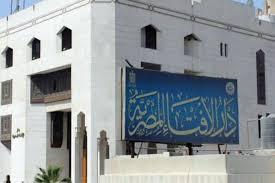

Official Warning on Eid Fasting
Dar Al-Ifta of Egypt issued an awareness statement warning against fasting on the 10th of Dhul-Hijjah, as it coincides with Eid al-Adha, known as the Day of Sacrifice, when fasting is strictly prohibited.
Why Fasting Is Prohibited on These Days
Islamic law clearly forbids fasting on:
- Eid al-Fitr
- Eid al-Adha
It also prohibits fasting during the Days of Tashreeq due to their special religious status.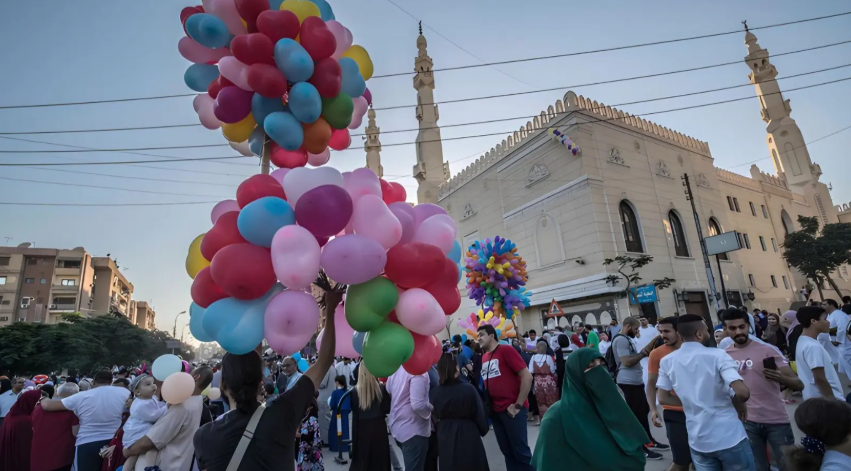
What Are the Days of Tashreeq?
They are:
- 11th Dhul-Hijjah
- 12th Dhul-Hijjah
- 13th Dhul-Hijjah
They are described in authentic teachings as days of:
- Eating
- Drinking
- Remembrance of Allah
Prophetic Evidence
Hadith of Abu Saeed Al-Khudri (RA)
The Prophet ﷺ forbade fasting on both Eid days.
Hadith of Nubayshah Al-Hudhali (RA)
The Prophet ﷺ said:
“The Days of Tashreeq are days of eating, drinking, and remembering Allah.”
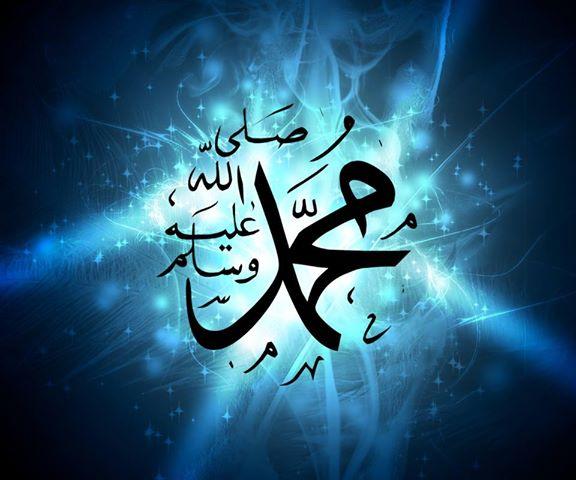
Purpose of These Blessed Days
These days are meant for:
- Celebrating completion of worship
- Expressing gratitude to Allah
- Increasing remembrance and takbeer
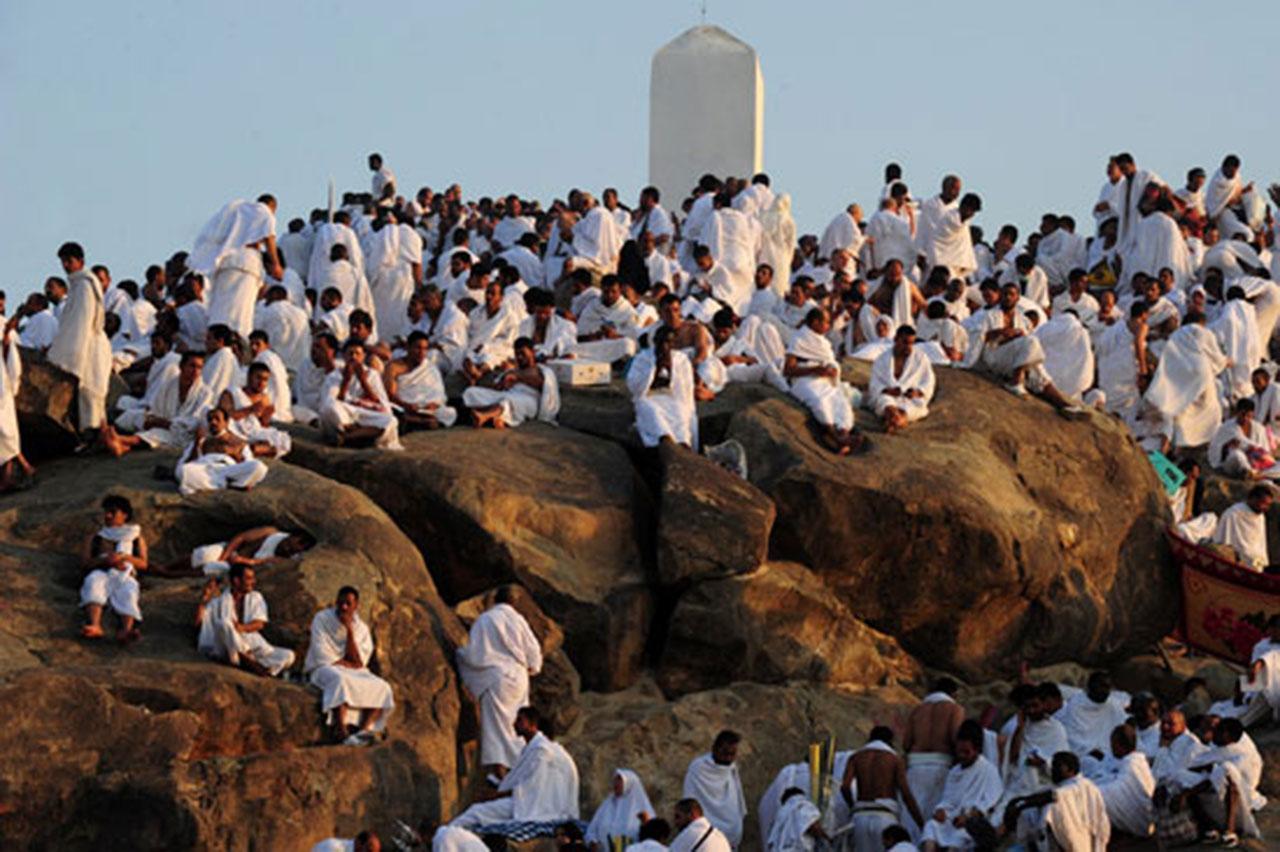
Supplication of Arafah Day
A widely recited supplication:
“Our Lord, grant us good in this world and good in the Hereafter, and protect us from the Fire.”
FAQ
Is fasting allowed on the 10th of Dhul-Hijjah?
No, it is strictly prohibited.
What are the Days of Tashreeq?
They are the 11th, 12th, and 13th of Dhul-Hijjah.
Why is fasting forbidden on these days?
Because they are designated for celebration, eating, and remembrance of Allah.
What should Muslims do instead?
Engage in dhikr, takbeer, gratitude, and good deeds.




