Dr. Mahmoud Shalaby Explains the Ruling on Delaying Prayer Due to Work Until Its Time Expires

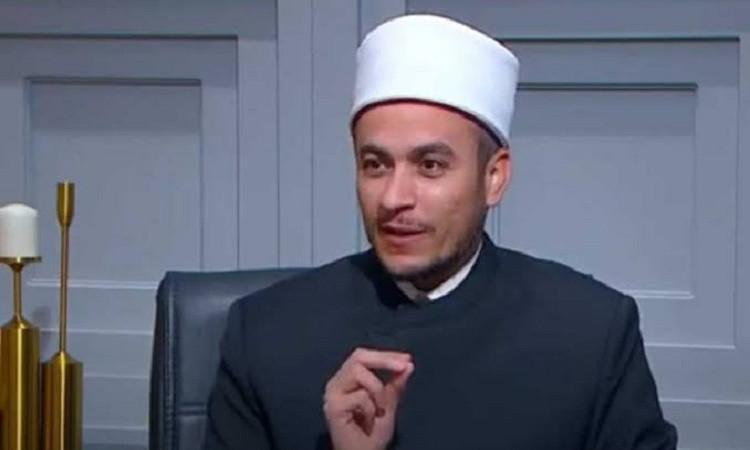
Dr. Mahmoud Shalaby, Secretary of Fatwa at Egypt’s Dar Al-Ifta, explained the Islamic ruling on delaying prayer because of work, emphasizing that being busy with work is not a valid excuse for allowing a prayer's prescribed time to expire. He also clarified the exceptional cases in which combining prayers is permissible.
  Sun , July 12 2026 / 09:42 PM Updated At: 2026-07-12 21:42:20

Delaying Prayer Due to Work Does Not Justify Letting Its Time Expire

Dr. Mahmoud Shalaby, Secretary of Fatwa at Egypt’s Dar Al-Ifta, affirmed that being occupied with work is not considered a legitimate Islamic excuse for delaying prayer until its prescribed time has ended. He explained that Muslims are required to perform the obligatory prayers within their designated times.

He added that delaying a prayer within its prescribed time is permissible, meaning a Muslim may perform the prayer at any point before the next prayer time begins. However, performing the prayer at the beginning of its time is the best and most complete practice.

The Ruling on Delaying Prayer From the Beginning of Its Time

The Secretary of Fatwa explained that a Muslim may delay a prayer from the beginning of its prescribed time without incurring sin, as long as the prayer time has not ended.

For example, the Dhuhr prayer may be performed anytime between the Dhuhr call to prayer (Adhan) and the Asr call to prayer. Nevertheless, offering it at the beginning of its time is considered among the most virtuous and beloved deeds.

It Is Not Permissible to Let a Prayer's Time Expire Because of Work

Dr. Mahmoud Shalaby emphasized that what is not permissible is delaying a prayer until its prescribed time has completely expired, such as postponing Dhuhr until after Asr time begins due to work commitments.

He explained that work circumstances are not considered a valid Islamic excuse for neglecting an obligatory prayer, especially when a person is capable of setting aside a few minutes to perform it.

The Prophet’s Hadith on Neglecting Prayer

The Secretary of Fatwa cited the Prophet Muhammad’s (peace and blessings be upon him) saying:

"There is no negligence in sleep; rather, negligence is delaying a prayer until the time of the next prayer begins."

He explained that negligence occurs when a person intentionally delays a prayer until its prescribed time has ended without a valid Islamic excuse.

Legitimate Excuses That Allow Combining Prayers

Dr. Mahmoud Shalaby pointed out that Islamic law takes certain exceptional circumstances into consideration, allowing the combination of prayers in specific cases under defined conditions.

He gave the example of a doctor performing surgery who cannot leave the operating room or abandon the patient before the next prayer time begins.

He explained that such situations are considered legitimate excuses that may permit combining prayers when the required conditions are met.

Balancing Work and Worship

The Secretary of Fatwa stressed the importance of maintaining a balance between work responsibilities and religious obligations, noting that under normal circumstances, Muslims can organize their time in a way that allows them to perform prayers on time.

He added that preserving the prayers and not allowing worldly responsibilities to become a reason for neglecting them is one of the most important signs of religious commitment.

Prayer Is One of the Greatest Obligations in Islam

Dr. Mahmoud Shalaby concluded by emphasizing that prayer is one of the fundamental pillars of Islam and that observing it within its prescribed times is among the greatest acts of worship that bring a person closer to Allah.

He urged Muslims to remain committed to performing their obligatory prayers and not to place worldly concerns ahead of prayer, which represents the servant’s connection with Allah.


Is it permissible to delay prayer because of work?

It is permissible to delay a prayer within its prescribed time, but it is not permissible to delay it until its time has expired because of work.

Is work considered a valid excuse for missing a prayer?

No. Work is not considered a legitimate Islamic excuse for allowing a prayer's prescribed time to expire.

When is it permissible to combine prayers?

Combining prayers is permissible in certain exceptional circumstances where there is a legitimate Islamic excuse and the required conditions are met.

What is the best time to perform prayer?

The best practice is to perform the prayer at the beginning of its prescribed time, as it is among the most recommended acts of worship.

What is the ruling on someone who delays prayer until the next prayer time begins?

Doing so is considered negligence and is not permissible in Islamic law unless there is a valid and recognized excuse.

Jul 12
أذكار المساء

Evening adhkar are among the most important daily practices for Muslims. They include Quranic verses and prophetic supplications recited to seek Allah’s protection, blessings, and tranquility at the end of the day.
Jul 12
دعاء الخروج من البيت وأفضل الأذكار النبوية للحفظ والوقاية

The supplication for leaving home is one of the prophetic prayers Muslims recite when going out. It includes: “In the name of Allah, I put my trust in Allah, and there is no power or strength except through Allah,” seeking protection and guidance from Allah.
Jul 12
الدكتور محمود شلبي

Dr. Mahmoud Shebl, Fatwa Secretary at Egypt’s Dar Al-Ifta, explained the ruling on preventing children from visiting their extended family home, stressing that complete prevention may affect family ties while visits can be organized when necessary.
Jul 12
دار الإفتاء المصرية

Dr. Zainab El Saeed, Secretary of Fatwa at Egypt’s Dar Al-Ifta, explained the Islamic ruling on Aqiqah, the number of animals recommended for boys and girls, and how the meat should be distributed among family members and those in need according to the Sunnah.