
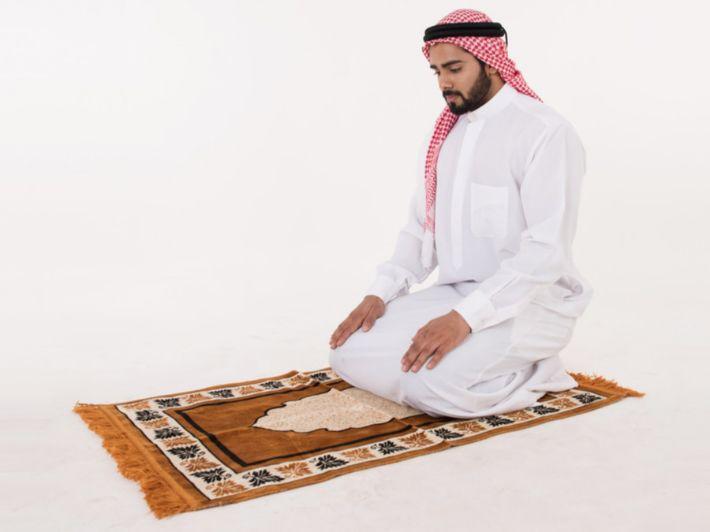

Sacred times bring greater opportunities for reward—and greater responsibility. Dhul-Qa‘dah, one of the sacred months, highlights the importance of maintaining prayers on time as a reflection of faith and discipline.
Ruling on Delaying Prayer
Scholars explain that delaying obligatory prayer beyond its time without a valid excuse is sinful. However, those who miss it due to sleep or forgetfulness are excused and must make it up immediately upon remembering.
When Does Prayer Time End?
A prayer is considered missed when the time of the next prayer begins. In such cases, the missed prayer must be performed as soon as possible, along with sincere repentance.
Impact During Sacred Months
The significance increases during sacred months, where rewards are multiplied. Delaying prayer not only means missing the obligation on time but also losing multiplied rewards.
Does It Affect Sustenance?
Religious teachings emphasize that obedience brings blessings and ease, while neglecting duties may lead to hardship and loss of barakah, making timely prayer essential for a balanced life.
Virtue of Prayer
Prayer is a direct connection between a person and their Lord, offering peace, forgiveness, and strength. Performing it on time is among the most beloved acts.
A Message to Those Who Delay Prayer
Missed moments do not return. Preserving prayer within its time is a powerful step toward inner peace and a disciplined, meaningful life.
For more details and latest updates, follow Masr Connect




