
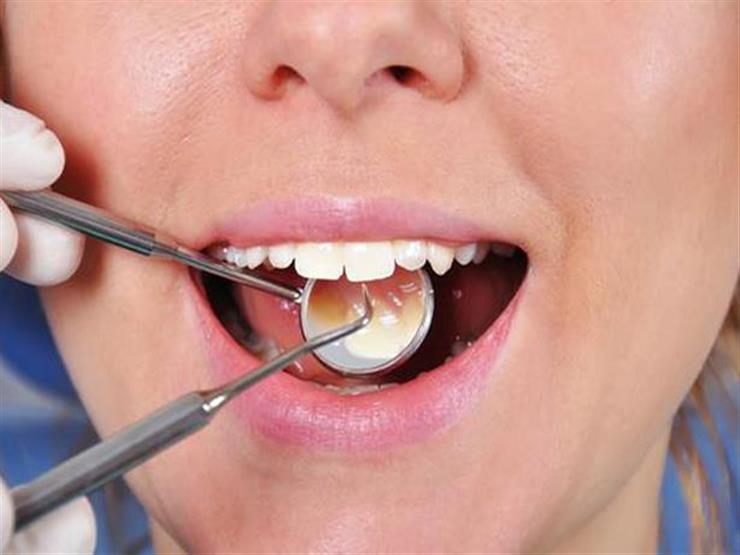

During Ramadan, people often wonder whether dental procedures invalidate fasting, especially since the mouth is the gateway for food and drink. The key principle in fasting is that what breaks the fast is what reaches the stomach intentionally.
Scholars explain that local dental anesthesia does not break the fast because it is injected into the gums to numb pain and does not reach the stomach. Its effect remains limited to the treated area and is not considered nourishment or intake.
Likewise, cleaning teeth, extracting a tooth, filling cavities, and receiving local anesthesia do not invalidate fasting by themselves, as long as the fasting person does not deliberately swallow blood, medicine, or treatment materials.
If a taste of medicine appears in the mouth, it should be spat out, but its presence alone does not invalidate the fast. Bleeding from the gums also does not affect fasting unless it is intentionally swallowed.
The only case that invalidates the fast by scholarly agreement is deliberately swallowing blood or medical substances during the procedure, since that means something has entered the stomach by choice.
For this reason, scholars recommend postponing non-urgent dental procedures until after iftar when possible, to protect the fast from doubt. However, in emergencies or severe pain, treatment during the day is permissible with careful precautions.
In summary, dental treatment in Ramadan does not break the fast on its own. What breaks it is the intentional entry of substances into the stomach, while anesthesia, fillings, and extraction remain permissible with care.
For more details and the latest updates, follow Masr Connect.




