Does a woman need to make up the Witr prayer if her period begins suddenly? The Egyptian Dar Al-Ifta clarifies the ruling

A religious explanation of the ruling on the Witr prayer for a woman if menstruation begins before she performs it, and whether she must make it up after becoming pure or if it is waived entirely.


  Sun , April 12 2026 / 09:17 PM Updated At: 2026-04-12 21:17:03

حكم صلاة الوتر للمرأة أثناء الحيض وفق دار الإفتاء

The Fatwa Secretary at the Egyptian Dar Al-Ifta explained the ruling regarding a woman whose menstrual period begins after the Isha prayer but before performing the Witr prayer, clarifying the Islamic judgment in this case.

He confirmed that once menstruation begins, a woman is exempt from prayer entirely. Therefore, she is not required to perform the Witr prayer during her period, nor is she required to make it up after becoming pure.

He also explained that the Witr prayer is not obligatory, and therefore it does not need to be made up. There is no sin upon a woman for missing it due to a valid excuse such as menstruation.

He added that it is part of God’s mercy that if a person intends to perform an act of worship but is prevented by an unavoidable excuse, they still receive the full reward. This is supported by the saying of the Prophet (peace be upon him): “Whoever intends to do a good deed but does not do it, it is recorded for them as a good deed.”

He further clarified that a woman is rewarded for her intention to perform the Witr prayer if she had resolved to do so but was prevented by the onset of menstruation. This reflects the ease and removal of hardship in Islamic law.

For more details and latest updates, follow Masr Connect

Apr 16
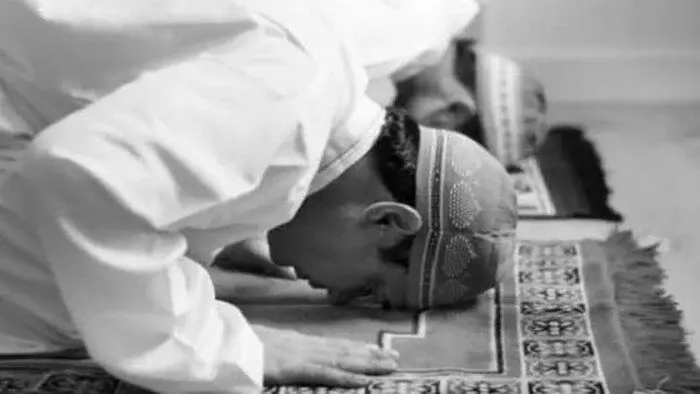
حكم صلاة المريض غير المتحكم في البول وفتوى دار الإفتاء المصرية

Dar Al-Ifta clarified the Islamic ruling on how patients suffering from involuntary urine leakage can properly perform الصلاة, emphasizing ease and removal of hardship in Islamic law.
Apr 16
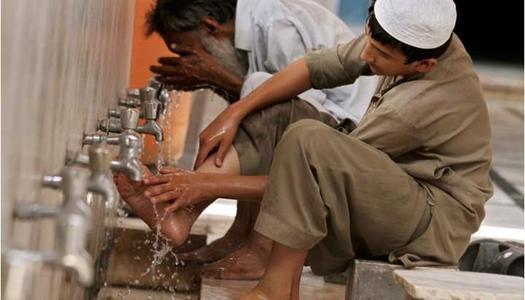
تحذير من التشويش على المصلي وحرمة إفساد خشوع الصلاة

Islamic authorities warn against any behavior that distracts or disturbs a person during prayer, emphasizing the sacredness of salah and the severe sin of disrupting its spiritual focus.
Apr 16
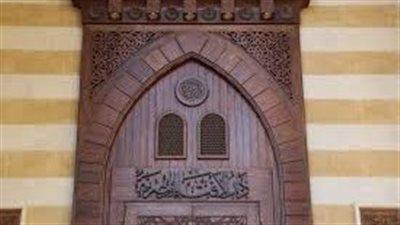
حكم أداء الصلوات الخمس بوضوء واحد وفضل تجديد الوضوء

Many wonder whether one ablution is sufficient for all five daily prayers. Islamic scholars clarify the ruling, highlighting both permissibility and the prophetic preference for renewing wudu.
Apr 16
أذكار الصباح والمساء وحكم الخشوع والتدبر أثناء الذكر

Many people wonder whether mindfulness and deep reflection are required when reciting morning and evening adhkar, or if verbal repetition alone is sufficient. Islamic rulings clarify the balance between heart and tongue.
