

Sheikh Awaida Othman, Secretary of Fatwa at Egypt’s Dar Al-Iftaa, explained that the issue of zakat on gold jewelry has long been a point of scholarly debate, reflecting the flexibility and mercy of Islamic law.
He clarified that while some scholars require zakat on all gold, others exempt it if intended solely for personal adornment. The official view of Dar Al-Iftaa is that no zakat is due on jewelry worn for regular personal use, unless it is held for investment or trade.
The determining factor, he added, is intention and social custom—if the gold is genuinely used for adornment, it is exempt; but if it functions as savings or business capital, zakat becomes obligatory.
Meanwhile, Dr. Zeinab Al-Saeed, another Secretary of Fatwa, emphasized that zakat is not just a financial duty but a spiritual measure of one’s relationship with God. She described three types of givers: the lovers, who give out of devotion; the traders, who give seeking reward; and the servants, who give only out of fear of punishment.
She concluded that zakat purifies both wealth and soul, brings blessings, and wards off harm, citing the Prophet ﷺ: “Treat your sick with charity.”
Does Gold Jewelry Require Zakat? Egypt’s Dar Al-Iftaa Clarifies the Ruling
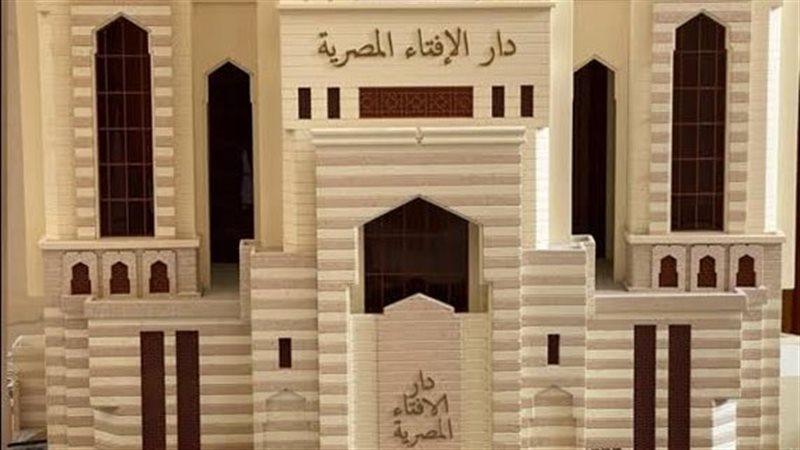
Dar Al-Iftaa explains the Islamic ruling on paying zakat for gold jewelry, confirming that personal adornment jewelry is exempt from zakat unless used for trade or savings.
News & Articles Featured Categories

Salat al-Istikhara is a recommended prayer for Muslims facing uncertainty about a permissible matter, asking Allah to choose what is best and make it easy
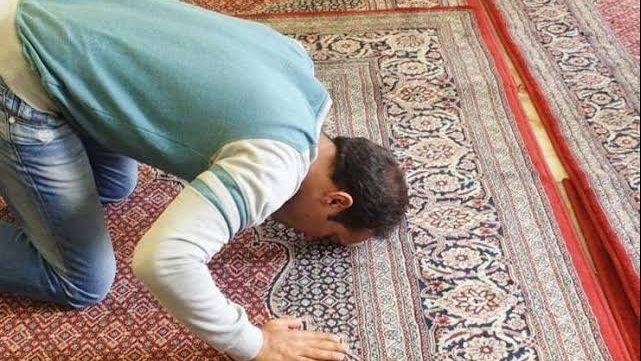
Learn how to pray Qiyam al-Layl step by step, including the number of rak‘ahs, the best time to pray, how to perform Witr, and the supplications recommended during the night prayer.

A prayer for those who struggle to sleep can help bring spiritual comfort and tranquility. Learn the supplications and bedtime adhkar traditionally recited for calmness and relief from restlessness.

There is no single supplication guaranteed to fulfill a need instantly, but several authentic Islamic supplications are associated with seeking relief, easing hardship, and asking Allah to fulfill lawful needs.
