Dr. Atiya Lashin: Fake Medical Certificates Are Forbidden and Lead to Unlawful Earnings
Dr. Atiya Lashin, a member of Al-Azhar's Fatwa Committee, warned that pretending to be ill and obtaining fake medical certificates to receive leave or financial benefits is strictly prohibited in Islam.


Dr. Atiya Lashin, a member of Al-Azhar's Fatwa Committee, stated that pretending to be sick and obtaining fake medical certificates to receive leave, financial benefits, or salaries without legal entitlement is strictly prohibited in Islam. He explained that such actions involve lying, forgery, consuming wealth unlawfully, betraying trust, and violating the rights of employers and society.
What Is the Islamic Ruling on Fake Medical Certificates?
The ruling came in response to a question from a listener who asked whether it is permissible for someone to pretend to be ill and obtain a forged medical certificate in order to receive leave or financial benefits. Dr. Lashin emphasized that truthfulness is the path to success in this life and the Hereafter, while lying ultimately leads to destruction, regardless of any temporary benefit a person may think they gain.
Truthfulness Is a Core Value in Islam
Dr. Lashin cited the words of Prophet Muhammad ﷺ: "Adhere to truthfulness, for truthfulness leads to righteousness, and righteousness leads to Paradise. A person continues to tell the truth until he is recorded with Allah as a truthful person." He also quoted the Prophet ﷺ saying: "Beware of lying, for lying leads to wickedness, and wickedness leads to the Fire. A person continues to lie until he is recorded with Allah as a liar." He explained that these authentic hadiths clearly demonstrate the importance of honesty and the severe consequences of falsehood.
Why Are Fake Medical Certificates Forbidden?
According to Dr. Lashin, issuing or using fake medical certificates combines several major sins.
Lying and Forgery
Claiming illness without a genuine medical condition and obtaining a false certificate is considered both lying and forgery, which are among the major sins in Islam.
Unlawful Financial Gain
Any salary, allowance, or financial benefit received through a forged medical certificate is regarded as unlawful income because it is obtained without legitimate entitlement.
Betrayal of Trust
Employees are entrusted with fulfilling their professional responsibilities. Falsifying illness to avoid work is considered a betrayal of that trust.
Harming Others
This behavior can disrupt workplaces, place additional burdens on colleagues, and undermine fairness and justice within society.
The Ruling on Money Earned Through Fake Certificates
Dr. Lashin stressed that any money earned through forged medical certificates is haram (unlawful) and lacks blessing. He cited the Prophet Muhammad ﷺ: "Any body nourished by unlawful earnings deserves the Fire more." He warned that unlawful income may also become a reason for the rejection of one's prayers and righteous deeds.
Does the Doctor Share the Sin?
Dr. Lashin explained that responsibility does not rest solely on the person requesting the fake certificate. The doctor or official who knowingly issues it also shares the sin because they are assisting in wrongdoing. He cited the Qur'anic verse: "Cooperate in righteousness and piety, but do not cooperate in sin and aggression." (Qur'an 5:2)
A Call to Honesty and Lawful Livelihood
Dr. Atiya Lashin concluded by urging Muslims to fear Allah in all their words and actions, remain truthful in every dealing, and seek only lawful earnings. He emphasized that lawful income, even if modest, is far better and more blessed than abundant wealth obtained through unlawful means, bringing peace of mind and blessings in both this world and the Hereafter.

Learn about the so-called “miracle dua for children” and the best Islamic prayers for children’s guidance, protection, and righteousness.

Discover the story of Prophet Noah after the flood, his departure from the Ark, its landing on Mount Judi, and the beginning of human life again.

Explore the history of Solomon’s Temple in Jerusalem, including its construction, destruction, the Second Temple period, and the ongoing archaeological debate.
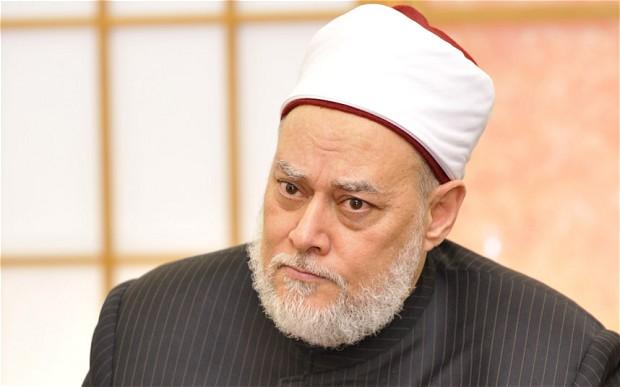
Dr. Ali Gomaa, former Grand Mufti of Egypt and member of Al-Azhar’s Senior Scholars Council, explained the story of Abu Lahab and the reported relief from punishment connected to the Prophet Muhammad’s ﷺ birth.
