Solomon’s Temple in Jerusalem: History, Destruction, and the Debate Over Its Site

Explore the history of Solomon’s Temple in Jerusalem, including its construction, destruction, the Second Temple period, and the ongoing archaeological debate.

  Wed , August 05 2026 / 03:42 PM Updated At: 2026-08-05 15:42:36

What Was Solomon’s Temple?

Solomon’s Temple was an ancient religious structure mentioned in biblical texts. According to Jewish tradition, it was built in Jerusalem during the reign of King Solomon in the 10th century BCE and became the central place of worship for ancient Israelites.

The temple was traditionally associated with Mount Moriah, also known in Jewish tradition as the Temple Mount, an area connected today with the compound of Al-Aqsa Mosque and the Dome of the Rock.

The Construction of Solomon’s Temple

When Was Solomon’s Temple Built?

According to biblical accounts, King Solomon began constructing the First Temple around 968 BCE, and the construction reportedly lasted about seven years.

The temple was described as a magnificent structure decorated with valuable materials and designed for religious ceremonies.

The Importance of the First Temple

The First Temple held a central role in Jewish religious tradition and became a symbol of Jerusalem’s spiritual and political significance.

The Destruction of the First Temple

The Babylonian Conquest of Jerusalem

Historical and biblical accounts state that the First Temple was destroyed by King Nebuchadnezzar II of Babylon during the siege of Jerusalem around 586 BCE.

The destruction marked the fall of the Kingdom of Judah and the beginning of the Babylonian exile.

The Second Temple

Reconstruction After the Exile

After the Babylonian exile, a new temple known as the Second Temple was built in Jerusalem around 515 BCE.

Although smaller than the First Temple, it remained an important religious center for centuries.

The Roman Destruction

The Second Temple was destroyed by the Roman army led by Titus in 70 CE during the First Jewish–Roman War.

The Archaeological Debate About Solomon’s Temple

Is There Physical Evidence?

Despite the importance of Solomon’s Temple in religious traditions, no definitive archaeological evidence has confirmed its exact location or physical remains.

Researchers continue to debate historical interpretations due to the complexity of archaeological work in Jerusalem.

The Temple Mount and Jerusalem’s Holy Sites

Jewish traditions associate the temple’s location with the Temple Mount area, which today includes the compound of Al-Aqsa Mosque and the Dome of the Rock.

From the Islamic perspective, Al-Aqsa Mosque is a sacred Islamic site, and claims regarding remains beneath the compound remain a subject of religious and political dispute.

The Historical Significance of Solomon’s Temple

Solomon’s Temple remains one of the most discussed ancient religious sites, connecting history, archaeology, and faith. Its story continues to influence discussions about Jerusalem and its importance to different religious communities.

Was Solomon’s Temple historically real?

Jewish traditions describe its existence, but no conclusive archaeological evidence has confirmed its exact remains.

Who destroyed the First Temple?

According to historical and biblical accounts, Nebuchadnezzar II destroyed it during the Babylonian conquest of Jerusalem.

What was the Second Temple?

It was the temple rebuilt after the Babylonian exile and later destroyed by the Romans in 70 CE.

Where is Solomon’s Temple believed to have been located?

Jewish tradition places it in the Temple Mount area in Jerusalem.

Aug 06
أذكار المساء

Learn the complete authentic evening adhkar from the Sunnah, their virtues, the best time to recite them, and the most important daily supplications for protection and forgiveness.

Aug 06
دعاء لحماية الأبناء

Looking for the most powerful dua to protect your children? Discover authentic supplications from the Quran and Sunnah for safeguarding children from evil, envy, and harm, along with short daily duas for protection, guidance, and blessings.

Aug 06
 السيدة آسية

Discover the inspiring story of Asiya, Pharaoh's wife, whose unwavering faith in God made her a lasting example for believers in the Quran despite enduring severe persecution.
Aug 06
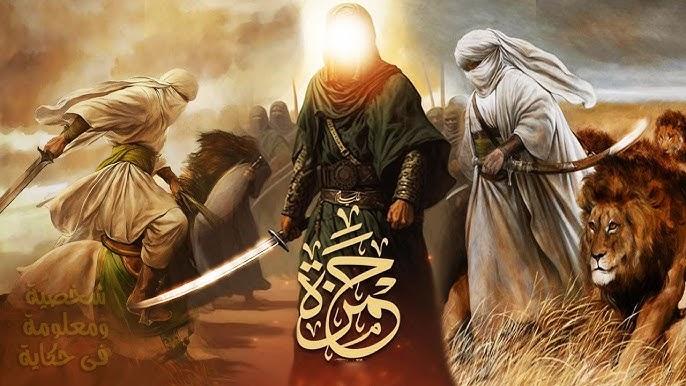
حمزة بن عبد المطلب

Learn about the inspiring story of Hamza ibn Abd al-Muttalib, the Prophet Muhammad's uncle and one of Islam's greatest heroes, from his conversion to Islam to his martyrdom in the Battle of Uhud.