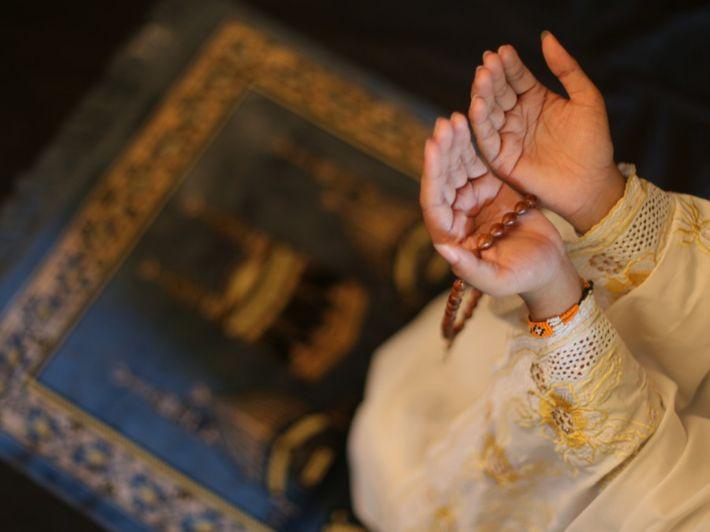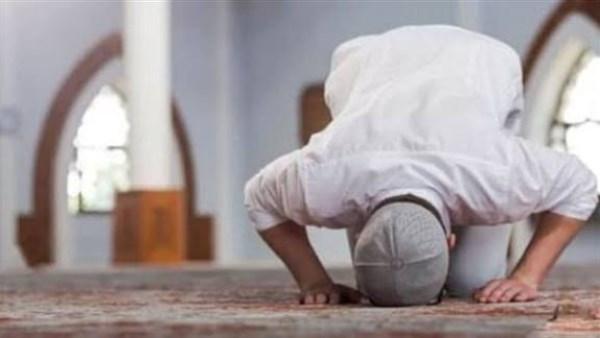

Salah includes a number of prescribed remembrances and supplications that are recited at different stages, beginning with Dua Al-Istiftah after Takbirat Al-Ihram, followed by the remembrances of bowing and prostration, the supplication between the two prostrations, and the prayers recited after the final Tashahhud and before salam.
There are several authentic formulations of supplications reported for these positions, allowing the worshipper to recite whichever established wording is available to them.
Dua Al-Istiftah After Takbirat Al-Ihram
After saying Takbirat Al-Ihram, the worshipper may recite one of the established opening supplications, including:
“O Allah, distance me from my sins as You have distanced the East from the West. O Allah, cleanse me of my sins as a white garment is cleansed of stains.”
Another established supplication is:
“Glory be to You, O Allah, and praise be to You. Blessed is Your Name, exalted is Your Majesty, and there is no deity but You.”
Dua Al-Istiftah is recited at the beginning of Salah before reciting Al-Fatihah.
Supplications During Bowing
Among the prescribed remembrances during bowing is:
“Glory be to my Lord, the Most Great.”
It may be repeated three times or more.
Another supplication reported for bowing is:
“Glory be to You, O Allah, our Lord, and praise be to You. O Allah, forgive me.”
The worshipper may also say:
“O Allah, to You I have bowed, in You I have believed, and to You I have submitted. My hearing, sight, mind, bones and nerves humble themselves before You.”
Bowing is a position in which the worshipper glorifies and honors Allah.
What Is Said When Rising From Bowing?
When rising from bowing, the imam and the person praying alone say:
“Allah hears those who praise Him.”
The imam, follower and person praying alone then say:
“Our Lord, to You belongs all praise, abundant, pure and blessed praise, filling the heavens, filling the earth, and filling whatever else You will.”
This remembrance expresses praise and gratitude to Allah after rising from bowing.
Supplications During Prostration
Prostration is one of the greatest positions for supplication in Salah.
Among the prescribed remembrances is:
“Glory be to my Lord, the Most High.”
It may be repeated three times or more.
Among the reported supplications is:
“O Allah, forgive all my sins, the minor and major, the first and the last, the apparent and the hidden.”
Another supplication is:
“O Allah, I seek refuge in Your pleasure from Your anger, in Your forgiveness from Your punishment, and I seek refuge in You from You. I cannot enumerate Your praise; You are as You have praised Yourself.”
Supplication Between the Two Prostrations
Between the two prostrations, the worshipper may say:
“My Lord, forgive me. My Lord, forgive me.”
Another established supplication is:
“O Allah, forgive me, have mercy on me, guide me, grant me well-being and provide for me.”
This supplication asks Allah for forgiveness, mercy, guidance, well-being and provision.
Supplication After the Final Tashahhud
After the final Tashahhud and before salam, the worshipper may make established supplications, including:
“O Allah, I seek refuge in You from the punishment of the grave, from the punishment of the Fire, from the trials of life and death, and from the trial of the False Messiah.”
Another established supplication is:
“O Allah, help me remember You, give thanks to You and worship You well.”
This is a significant point in Salah for making supplications before concluding the prayer with salam.
What is Dua Al-Istiftah?
It is an opening supplication recited after Takbirat Al-Ihram and before reciting Al-Fatihah. There are several established formulations.
What is said during bowing?
One of the most well-known remembrances is: “Glory be to my Lord, the Most Great.”
What is said during prostration?
The worshipper says: “Glory be to my Lord, the Most High,” and may also make established supplications.
What is said between the two prostrations?
Among the well-known supplications is: “My Lord, forgive me,” as well as the longer supplication asking for forgiveness, mercy, guidance, well-being and provision.
What is said before salam?
After the final Tashahhud and before salam, the worshipper may make established supplications, including seeking refuge from the punishment of the grave and Hell and from the trials of life and death.