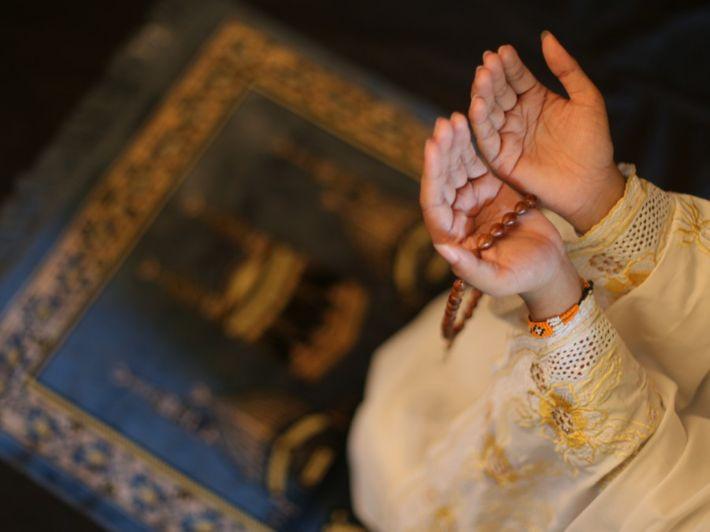

The supplication recited at the beginning of prayer after the opening takbir and before reciting Surah Al-Fatihah is known as Dua Al-Istiftah, or the opening supplication.
It is a recommended Sunnah reported in several authentic forms from the Prophet Muhammad, peace and blessings be upon him.
The supplication is recited between the opening takbir and the beginning of Quranic recitation.
What Is the Most Well-Known Form of Dua Al-Istiftah?
One of the shortest and most widely known forms is:
“Subhanaka Allahumma wa bihamdika, wa tabarakasmuka, wa ta‘ala jadduka, wa la ilaha ghayruk.”
Its meaning is to glorify Allah, praise Him, affirm the blessedness of His name and His supreme majesty, and affirm that there is no deity worthy of worship except Him.
This form has been preferred by the Hanafi and Hanbali schools.
Another Authentic Opening Supplication
Another established form begins:
“Allahumma ba‘id bayni wa bayna khatayaya kama ba‘adta bayna al-mashriqi wal-maghrib...”
It asks Allah to distance the worshipper from sins, cleanse them from wrongdoing, and purify them from their mistakes.
This is also an authentic form reported from the Prophet, peace and blessings be upon him.
When Is Dua Al-Istiftah Recited?
Dua Al-Istiftah is recited after the opening takbir and before beginning the recitation of Al-Fatihah.
The general sequence is:
- The opening takbir.
- Dua Al-Istiftah.
- Seeking refuge in Allah.
- Reciting Al-Fatihah.
- Reciting additional Quran where prescribed.
The opening supplication is recited quietly rather than as part of the imam's audible recitation.
What Is the Ruling on Dua Al-Istiftah?
Dua Al-Istiftah is a recommended Sunnah according to the majority of Islamic jurists and is not a condition for the validity of prayer.
Therefore, whoever recites it follows a recommended practice, while whoever leaves it intentionally or forgets it does not invalidate the prayer.
There is a recognized difference of opinion among the schools regarding its ruling. The majority of Hanafi, Shafi'i and Hanbali jurists consider it Sunnah, while the well-known position in the Maliki school regards it as disliked in obligatory prayers.
Are There Different Forms of Dua Al-Istiftah?
Yes. Several forms have been reported from the Prophet, peace and blessings be upon him.
One of the longer forms begins with the meaning:
“I have turned my face toward the One who created the heavens and the earth, sincerely submitting to Him, and I am not among the polytheists...”
It continues by affirming that the worshipper's prayer, sacrifice, life and death belong to Allah, the Lord of the worlds.
The Shafi'i school has preferred this longer form of the opening supplication.
The existence of multiple authentic forms means that Muslims may use any established form and may vary between them.
Is Prayer Valid Without Dua Al-Istiftah?
Yes. Prayer remains valid without Dua Al-Istiftah because it is a recommended Sunnah rather than an obligatory component according to the majority.
If a worshipper forgets the supplication or chooses not to recite it, there is no need to repeat the prayer or perform prostration of forgetfulness solely because it was omitted.
Conclusion
Dua Al-Istiftah is the supplication recited after the opening takbir and before Al-Fatihah. One of its best-known forms is:
“Subhanaka Allahumma wa bihamdika, wa tabarakasmuka, wa ta‘ala jadduka, wa la ilaha ghayruk.”
It is a recommended Sunnah according to the majority of scholars, not an obligatory part of prayer. Several authentic forms have been reported, allowing the worshipper to use any established form.
What is Dua Al-Istiftah?
It is the opening supplication recited after the opening takbir and before Al-Fatihah.
What is the most famous form of Dua Al-Istiftah?
“Subhanaka Allahumma wa bihamdika, wa tabarakasmuka, wa ta‘ala jadduka, wa la ilaha ghayruk.”
Is Dua Al-Istiftah obligatory?
No. It is a recommended Sunnah according to the majority of scholars.
When should it be recited?
It is recited after the opening takbir and before seeking refuge in Allah and reciting Al-Fatihah.
Are there other authentic forms?
Yes. Several authentic forms of the opening supplication have been reported.