Dua Al-Istiftah in Prayer: Authentic Formulas and Islamic Ruling
Learn about Dua Al-Istiftah in prayer, its authentic formulas reported from Prophet Muhammad ﷺ, and the ruling on reciting it after the opening Takbir
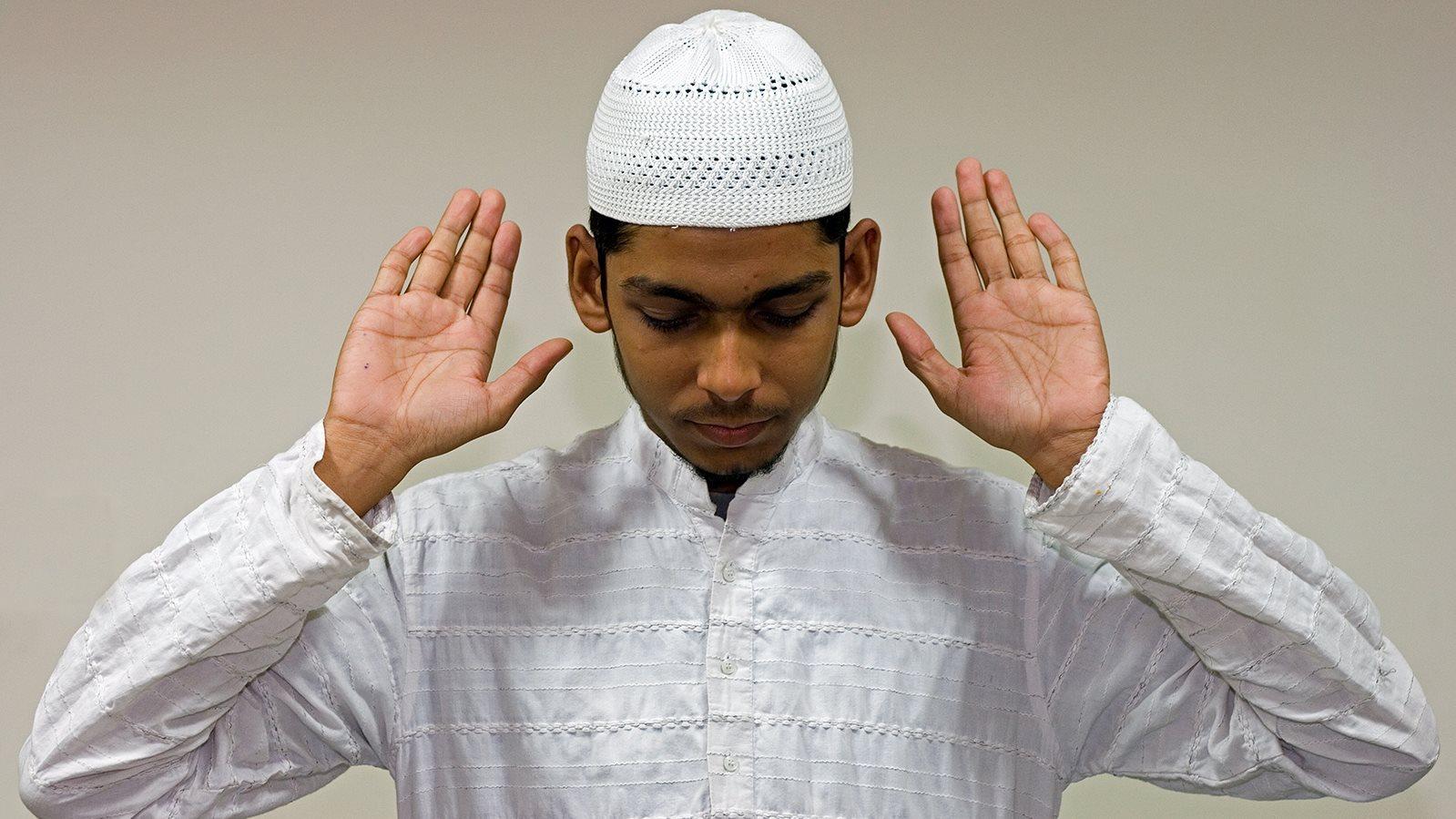
Dua Al-Istiftah, or the opening supplication, is among the Sunnah practices reported from Prophet Muhammad ﷺ. Several authentic formulas have been narrated, while Islamic scholars have differed regarding its legal status.
What Is Dua Al-Istiftah?
Dua Al-Istiftah is the supplication recited after the opening Takbir and before beginning the recitation of Al-Fatihah.
The Prophet ﷺ was reported to have used more than one formula when beginning his prayer.
One of the most well-known formulas is:
Glory be to You, O Allah, and praise be to You. Blessed is Your Name, exalted is Your Majesty, and there is no god besides You.
A Supplication Reported from the Prophet ﷺ
Abu Hurairah, may Allah be pleased with him, asked the Prophet ﷺ about what he said during the brief pause between the opening Takbir and recitation.
The Prophet ﷺ replied with the supplication:
O Allah, distance me from my sins as You have distanced the East from the West. O Allah, cleanse me of my sins as a white garment is cleansed of impurity. O Allah, wash away my sins with water, snow and hail.
This is among the reported opening supplications of the Prophet ﷺ.
Authentic Formulas of Dua Al-Istiftah
Egypt’s Dar Al-Ifta has explained that the Sunnah contains several formulas for the opening supplication.
Another well-known formula begins:
I have turned my face toward the One who created the heavens and the earth, sincerely submitting to Him, and I am not among the polytheists. Indeed, my prayer, my sacrifice, my life and my death are for Allah, Lord of the worlds.
This supplication continues with affirmations of Allah’s oneness, seeking forgiveness and repentance.
Can Muslims Use Different Formulas?
Yes. Since several formulas have been reported from the Prophet ﷺ, Muslims may use any authentically established formula without believing that only one specific wording is required.
What Is the Ruling on Dua Al-Istiftah?
Egypt’s Dar Al-Ifta explained that Islamic scholars have differed regarding the ruling on the opening supplication.
According to the established positions of the Hanafi, Shafi'i and Hanbali schools, it is recommended Sunnah, rather than obligatory.
The Maliki school, according to its well-known position, considers reciting it in obligatory prayers disliked.
Therefore, omitting the opening supplication does not invalidate the prayer, and a person should not be criticized for following a recognized scholarly position.
Is Dua Al-Istiftah Obligatory?
No. Dua Al-Istiftah is not obligatory according to the majority of scholars.
It is considered recommended according to the established positions of the Hanafi, Shafi'i and Hanbali schools.
A person who omits it and begins reciting Al-Fatihah after the opening Takbir does not have to repeat the prayer.
Can a Person Begin Recitation Immediately After the Opening Takbir?
Yes. The prayer remains valid if the worshipper begins reciting Al-Fatihah immediately after the opening Takbir without reciting the opening supplication.
Can Someone Be Criticized for Not Reciting Dua Al-Istiftah?
Dar Al-Ifta emphasized that a person should not be criticized for leaving Dua Al-Istiftah when following a recognized scholarly opinion that does not require or recommend it in that particular context.
Legitimate differences among Islamic schools should not become a cause of conflict between Muslims.
Conclusion
Dua Al-Istiftah is an established Sunnah of the Prophet ﷺ and has several reported formulas. One of the most familiar is:
“Glory be to You, O Allah, and praise be to You. Blessed is Your Name, exalted is Your Majesty, and there is no god besides You.”
Omitting it does not invalidate the prayer, and Muslims should respect legitimate differences among scholars regarding its ruling.
When is Dua Al-Istiftah recited?
It is recited after the opening Takbir and before Al-Fatihah.
What is the most well-known formula?
“Glory be to You, O Allah, and praise be to You. Blessed is Your Name, exalted is Your Majesty, and there is no god besides You.”
Is Dua Al-Istiftah obligatory?
No. It is considered a recommended Sunnah according to the established positions of several major schools.
Does omitting it invalidate prayer?
No. The prayer remains valid.
Are there multiple formulas for Dua Al-Istiftah?
Yes. Several formulas have been authentically reported from the Prophet ﷺ.

Learn how to seek protection when leaving home through authentic Islamic supplications and remembrance, including the prophetic dua for guidance, reliance upon Allah, and protection.
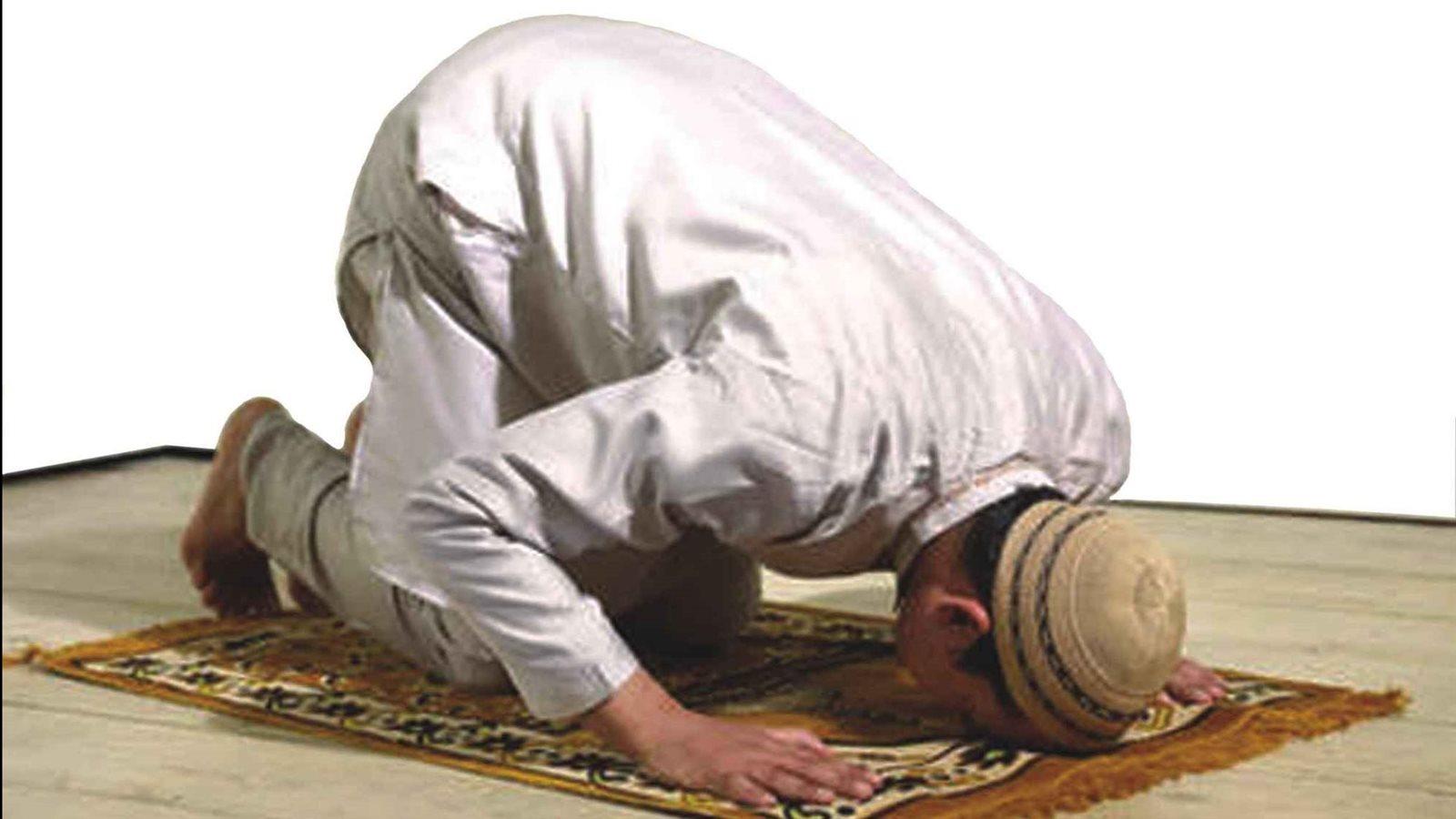
The best way to deal with waswas during prayer is to seek refuge in Allah, ignore recurring doubts, avoid repeatedly restarting prayer or ablution, and focus on remembrance and tranquility.
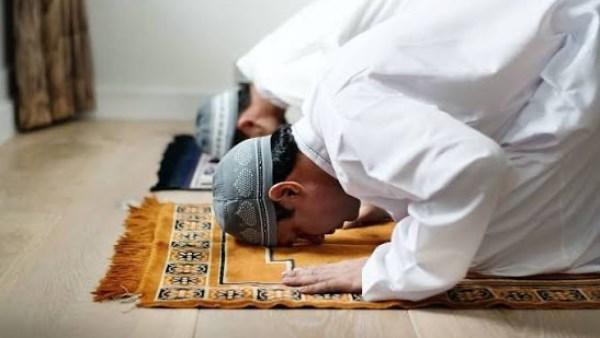
Egypt’s Dar Al-Ifta explains when praying behind the imam from a hotel via television is valid and how the connection of prayer rows affects the ruling
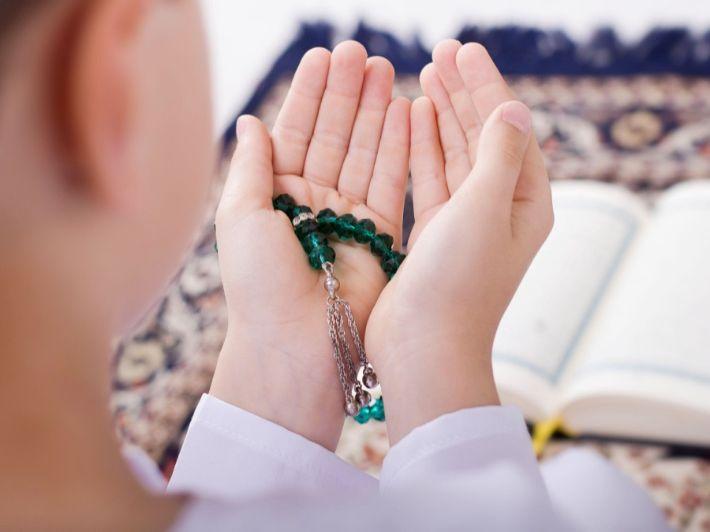
Learn what Muslims are recommended to recite after every obligatory prayer, including Ayat Al-Kursi, the three Mu’awwidhat, istighfar, tasbih, and other Sunnah supplications
