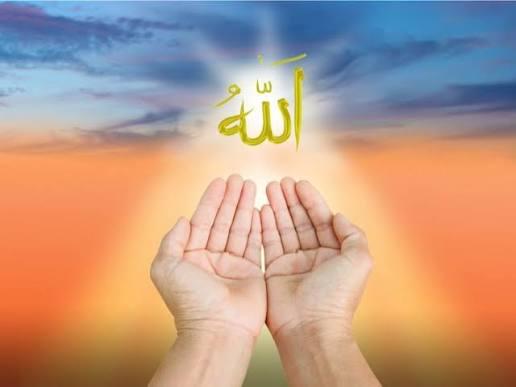

Making dua after completing the Quran is permissible, and this includes supplicating to Allah through His Beautiful Names and Attributes.
The Quran establishes the general principle of calling upon Allah through His Beautiful Names. Allah says: "To Allah belong the Most Beautiful Names, so call upon Him by them." [Quran 7:180]
Allah also says: "Call upon Allah or call upon the Most Merciful. Whichever you call, to Him belong the Most Beautiful Names." [Quran 17:110]
These verses establish the permissibility of turning to Allah through His Beautiful Names when making supplication.
Can Muslims Make Dua After Finishing the Quran?
A Muslim may make dua after completing the Quran and ask Allah for whatever is beneficial, including mercy, forgiveness, guidance, righteous conduct, and lawful provision.
The general principle of supplication is that it is not restricted to one particular circumstance unless there is evidence establishing such a restriction.
Therefore, a Muslim may ask Allah after completing the Quran without believing that a single specific wording is mandatory.
Using the Beautiful Names of Allah to Ask for Provision
Muslims may use the Beautiful Names of Allah when asking for lawful provision, blessings, and financial ease.
For example, a person may ask Allah, as the Provider, to grant beneficial and lawful sustenance, bless what has already been given, and provide opportunities that bring goodness.
There is no requirement to use one fixed wording for such a supplication. A Muslim may ask Allah sincerely using appropriate and meaningful words while invoking His Beautiful Names.
The Meaning of the Name Al-Ali
The name Al-Ali, meaning the Most High, expresses the exaltedness and greatness of Allah. It reflects the perfection of His Names, Attributes, and Actions in a manner befitting His majesty.
The Quran says: "Glorify the Name of your Lord, the Most High." [Quran 87:1]
Reflecting on this name reminds Muslims of the distinction between the Creator and His creation and encourages them to recognize Allah's absolute greatness and perfection.
What Can Muslims Learn From the Beautiful Names of Allah?
Reflecting on the Beautiful Names of Allah can strengthen a Muslim's relationship with Allah and deepen the meaning of supplication.
When a person recognizes Allah as the Provider, they turn to Him when seeking sustenance. When they recognize Him as the Forgiving, they seek His forgiveness. When they recognize Him as the Merciful, they hope for His mercy.
In this way, using the Beautiful Names of Allah in dua combines worship, hope, humility, and reliance upon Allah.
Is Making Dua With the Beautiful Names of Allah a Religious Innovation?
Calling upon Allah through His Beautiful Names is established in the Quran. Therefore, the basic practice of making dua through these names is permissible.
At the same time, religious rulings should be discussed carefully. There is an important distinction between the general permissibility of dua and claiming that a particular wording, time, or method is mandatory without evidence.
Muslims should therefore seek sound knowledge before declaring a practice prohibited or labeling another Muslim's practice as an innovation.
Can Muslims make dua after completing the Quran?
Yes. A Muslim may make dua after completing the Quran and ask Allah for mercy, forgiveness, guidance, provision, and other beneficial matters.
Can the Beautiful Names of Allah be used when asking for provision?
Yes. Muslims may call upon Allah through His Beautiful Names when asking for lawful provision, blessings, and ease.
What is the Quranic basis for using the Beautiful Names of Allah in dua?
The Quran says: "To Allah belong the Most Beautiful Names, so call upon Him by them." [Quran 7:180]
Is there one required dua after completing the Quran?
There is no need to restrict the supplication to one fixed wording. A Muslim may ask Allah sincerely using permissible words and His Beautiful Names.
What does Al-Ali mean?
Al-Ali means the Most High and refers to the exaltedness, greatness, and perfection of Allah in a manner befitting His majesty.