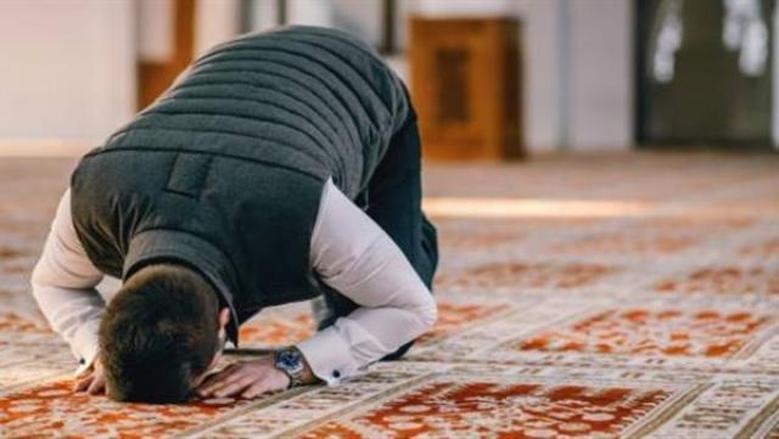

The dua between the two prostrations is among the supplications Muslims learn to recite during prayer. After the first prostration, the worshipper sits briefly before performing the second prostration and asks Allah for forgiveness, mercy, guidance, provision, and other blessings.
Learning the supplications connected with prayer helps Muslims perform their worship according to the Prophetic tradition while strengthening attentiveness and humility before Allah.
What Is Said Between the Two Prostrations?
The wording mentioned in the provided text is:
“O Allah, forgive me, have mercy upon me, raise me, mend me, guide me, pardon me, and provide for me.”
These words contain profound requests. The worshipper asks Allah for forgiveness and mercy, elevation, restoration, guidance, pardon, and provision.
Understanding the meanings of the supplication can also help the worshipper develop greater concentration and humility during prayer.
Does the Dua Have to Be Said in a Specific Order?
According to the information provided in the text, the words in this particular supplication do not have to be arranged in a specific order.
The supplication is made after rising from the first prostration and while sitting before moving into the second prostration.
The worshipper should also maintain calmness and composure during this brief sitting rather than rushing into the next prostration.
The Meaning of the Dua Between the Prostrations
Although the sitting is brief, it contains important meanings of humility and dependence upon Allah.
The worshipper asks their Lord for things they need in both religious and worldly life: forgiveness, mercy, guidance, pardon, and provision.
Maintaining awareness of these meanings can make the prayer more heartfelt and help the worshipper remain focused during each part of the salah.
What Does the Worshipper Ask Allah For?
The supplication includes requests for:
- Forgiveness for sins.
- Mercy and kindness.
- Elevation and honor.
- Restoration and correction of shortcomings.
- Guidance toward what is right.
- Pardon for mistakes.
- Provision and goodness.
These requests turn the short sitting between the two prostrations into a meaningful moment of supplication and spiritual reflection.
How Should You Sit Between the Two Prostrations?
According to the description provided, the worshipper places the right hand on the right thigh and the left hand on the left thigh, in a posture resembling the sitting position used during the testimony of faith.
The fingers are directed toward the qiblah according to the described practice, while some details concerning finger positioning differ among schools of Islamic jurisprudence.
The general principle is to follow the established Prophetic practice according to one’s ability.
Is It Permissible to Lean on the Hands?
The provided text explains that placing the palms on the ground and relying on them while sitting between the two prostrations is not the usual described posture. The preferred posture is to place the hands on the thighs.
However, if a worshipper cannot maintain the usual posture because of illness or another valid difficulty, they may pray according to their ability.
Allah says:
“So fear Allah as much as you are able.”
How Can I Increase My Focus During Prayer?
Greater concentration in prayer requires awareness of standing before Allah and understanding the words being recited.
Helpful practices include:
- Learn the meanings of the supplications used in prayer.
- Avoid rushing between the pillars of prayer.
- Reflect upon the greatness of Allah.
- Focus on the words you are saying.
- Remember that prayer is an act of worship and supplication.
- Maintain calmness and tranquility throughout the prayer.
Conclusion
The dua between the two prostrations is a valuable moment for asking Allah for forgiveness, mercy, guidance, pardon, and provision.
The wording mentioned in the text is: “O Allah, forgive me, have mercy upon me, raise me, mend me, guide me, pardon me, and provide for me.”
The worshipper should also maintain tranquility while sitting between the two prostrations and follow the established posture according to their ability. If illness or another valid difficulty prevents the usual posture, the person may pray according to their ability.
What should I say between the two prostrations?
The wording mentioned in the text is: “O Allah, forgive me, have mercy upon me, raise me, mend me, guide me, pardon me, and provide for me.”
When is the dua recited?
It is recited after rising from the first prostration while sitting before the second prostration.
Does the wording have to be said in a specific order?
According to the provided text, a specific order is not required for this wording.
How should I sit between the two prostrations?
The right hand is placed on the right thigh and the left hand on the left thigh, while maintaining tranquility.
Can I rely on my hands if I am ill?
If illness or another valid difficulty prevents the usual posture, the worshipper may pray according to their ability.